Biosimilars Market And its Growth prospect in the Near Future
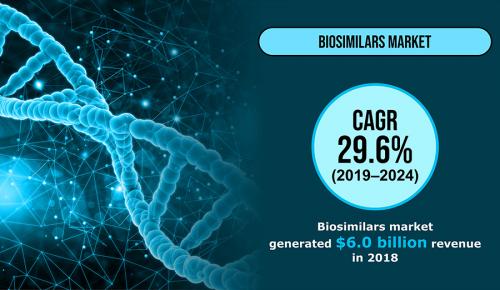
The market is driven by the rising prevalence of chronic
disease, growing investment in research and development by biopharmaceutical
organizations, vast pipeline of biosimilars, surging geriatric population, and
the cost-efficient nature of biosimilars as compared to approved drugs.
Based on technology, the biosimilars
market is classified into monoclonal antibody (mAb), bioassays, nuclear
magnetic resonance (NMR), recombinant deoxyribonucleic acid (rDNA), and
electrophoresis. Biosimilars manufactured using the mAb technology held 56.0%
share in the market in 2018. This technology is further anticipated to be the
fastest growing due to its large-scale deployment in the development of
therapeutics to treat various diseases, such as immunological, cancer, and
infections.
Request to Get the Sample Pages at: https://www.psmarketresearch.com/market-analysis/biosimilars-market/report-sample
According to the Population Reference Bureau report, titled
Aging in the United States, the aging population is anticipated to double by
2060, resulting in the need for old age-related disease management.
Furthermore, according to the Centers for Disease Control and Prevention (CDC),
around 60.0% of the adults in the U.S. are suffering from one or more chronic
diseases.
Strategic collaborations and product launches play a
prominent role in the growth of the biosimilars market. For instance, Amgen
Inc. and Entera Bio Ltd. collaborated in 2018 to launch an orally administered
formulation of biologics. This collaboration shows that organizations are ready
to invest in biologics, resulting in the growth of the market.
Some of the key players operating in the market, globally,
are Samsung Bioepis Co. Ltd., AMEGA Biotech, Synthon Holding B.V., Coherus
BioSciences Inc., Celltrion Inc., BIOCAD, Zydus Cadila, Teva Pharmaceutical
Industries Limited, Pfizer Inc., Novartis AG, Dr. Reddy’s Laboratories Ltd.,
and Mylan N.V.
Post Your Ad Here
Comments