Before Buy HDPE Plastic in India : You should Know Tips
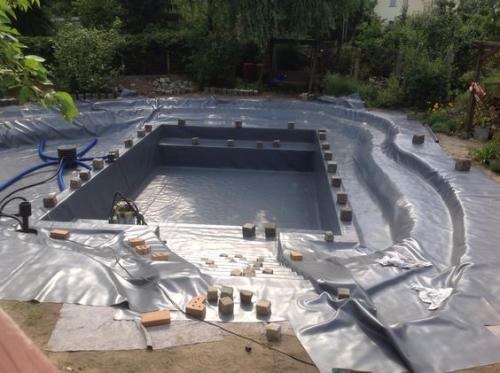
In the diverse landscape of plastics, High-Density Polyethylene (HDPE) stands out as a versatile and revolutionary material. In the context of India, where innovation and sustainability are gaining prominence, HDPE plastic is emerging as a game-changer across various industries. This blog explores the myriad applications, benefits, and the sustainable impact of HDPE plastic in India.
Understanding HDPE Plastic
Unveiling the Characteristics
High-Density Polyethylene, or HDPE, is a thermoplastic known for its high strength-to-density ratio, making it a preferred choice for a wide range of applications. In India, where industrial demands are diverse, HDPE plastic has proven itself as a reliable and robust material.
Versatility at its Core
From packaging to construction, agriculture to healthcare, the versatility of HDPE plastic knows no bounds. Its ability to adapt to different manufacturing processes and end-use applications makes it an indispensable part of India's industrial landscape.
Applications Across Industries
1. Construction and Infrastructure
In the realm of construction, HDPE plastic plays a crucial role. Its durability, resistance to chemicals, and weatherproof nature make it ideal for pipes, sheets, and other construction components. The use of HDPE plastic contributes to the longevity and structural integrity of buildings and infrastructure projects across India.
2. Agriculture
Indian agriculture relies heavily on innovative solutions, and HDPE plastic has stepped in to meet those demands. From drip irrigation systems to greenhouse coverings, the use of HDPE plastic enhances water efficiency, crop protection, and overall agricultural productivity.
3. Packaging
In the fast-paced consumer market of India, efficient and sustainable packaging is paramount. HDPE plastic's lightweight yet sturdy nature makes it an ideal choice for packaging solutions. Its recyclability aligns with the growing emphasis on eco-friendly practices in the packaging industry.
Environmental Impact
1. Recycling Initiatives
As India grapples with environmental challenges, the recyclability of HDPE plastic offers a sustainable solution. The ease with which HDPE plastic can be recycled contributes to reducing the burden on landfills and promotes a circular economy in the country.
2. Reduced Carbon Footprint
The production of HDPE plastic involves processes that result in a lower carbon footprint compared to alternative materials. This reduction in environmental impact aligns with India's commitment to sustainable development goals.
Advantages of Choosing HDPE Plastic
1. Durability and Longevity
HDPE plastic's inherent resistance to wear, tear, and corrosion ensures that products manufactured from it have an extended lifespan, contributing to reduced replacement and maintenance costs.
2. Chemical Resistance
In industrial settings where exposure to chemicals is prevalent, HDPE plastic stands resilient. Its resistance to a wide range of chemicals makes it a preferred choice for manufacturing equipment, containers, and pipes.
The Future of HDPE Plastic in India
1. Ongoing Innovation
To meet the evolving needs of industries in India, ongoing innovation in the production and application of HDPE plastic is paramount. Research and development initiatives aim to enhance its properties, opening doors to new possibilities.
2. Sustainable Practices
The increasing emphasis on sustainability in India's industrial landscape positions HDPE plastic sheets as a key player in the nation's journey towards responsible and eco-friendly practices.
Overcoming Challenges in Water Management
1. Water Storage Solutions
Post Your Ad Here
Comments