Basement Finishing for Artists and Creatives: Designing a Studio in Toronto
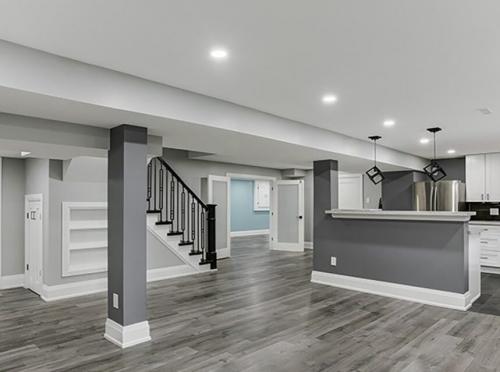
For
artists and creatives in Toronto, finding the ideal space to work and express
your creativity can be a challenge, especially in a city where space is often
at a premium. However, your basement offers a unique opportunity to create a
personalized studio where you can unleash your artistic talents. In this
article, we'll explore the process of basement finishing in Toronto
for artists and creatives, providing tips and ideas for designing a studio.
1.
Assess Your Space
Before
diving into the design process, assess your basement space. Take measurements
and note any structural elements like support columns, water heaters, or
utility areas that may affect the layout. Consider the amount of natural light
available, as it can impact your choice of artistic medium and the atmosphere
of your studio.
2.
Define Your Needs
Think
about your specific creative needs and how you envision using the space. Do you
require ample wall space for painting or photography? Will you need storage for
art supplies and materials? Are you planning to host workshops or collaborate
with other artists? Identifying your needs is crucial for creating a functional
studio.
3.
Plan Your Layout
Based
on your needs and the layout of your basement, plan the studio's layout.
Allocate dedicated areas for different artistic activities, such as a painting
corner, a drawing desk, a photography backdrop, or a sculpture area. Ensure
that the layout allows for easy movement and access to your materials.
4.
Lighting
Proper
lighting is essential for any artist. While basements may have limited natural
light, you can compensate by installing the right artificial lighting. Consider
adjustable track lighting, task lighting, or studio-grade light fixtures to
ensure your workspace is well-lit and shadows are minimized.
5.
Flooring
Choose
flooring materials that are practical and easy to clean. For painters, consider
a durable and stain-resistant floor, like epoxy-coated concrete or vinyl. If
you're a dancer or need a softer surface, consider installing dance flooring or
foam mats in certain areas.
6.
Storage Solutions
Efficient
storage is vital for keeping your studio organized. Install shelves, cabinets,
or wall-mounted pegboards to store art supplies, brushes, canvases, and other
materials. Consider open shelving for easy access or cabinets with doors for a
more organized look.
7.
Inspiring Decor
Design
the decor of your studio to be inspiring and conducive to creativity. Consider
a color scheme that energizes your work or creates a calming atmosphere. Hang
artwork, inspirational quotes, or your own pieces on the walls to surround
yourself with creativity.
8.
Ventilation
Depending
on your artistic medium, proper ventilation may be necessary. For painters
working with solvents or sculptors using materials that produce fumes, a
ventilation system with an exhaust fan can help maintain air quality in your
basement studio.
9.
Acoustic Control
If
your creative work involves sound, consider acoustic treatments to control
noise and sound quality in your basement. This is especially important if
you're a musician, podcaster, or voice actor.
10.
Flexibility
Design
your studio with flexibility in mind. As your creative interests and projects
evolve, you may need to adapt your space. Modular furniture, movable
partitions, or adjustable workstations can allow you to reconfigure your studio
as needed.
11.
Safety
Ensure
your studio is safe for your artistic pursuits. Invest in safety equipment like
fire extinguishers and first-aid kits. If you're working with hazardous
materials, follow safety guidelines and consider installing a safety shower or
eye wash station.
12.
Permits and Regulations
Before
beginning your basement finishing project, research the necessary permits and
regulations in Toronto. Basement renovations may require permits, especially if
they involve structural changes or electrical work. Complying with local
building codes is crucial to ensure your studio is safe and legal.
Conclusion
Creating
a basement studio for artists and creatives in Toronto is a rewarding endeavor
that allows you to fully embrace your passion and talents. With careful
planning, thoughtful design, and attention to your specific creative needs,
your basement can become a haven where inspiration flows freely, and your
artistic vision can take shape. Whether you're a painter, sculptor, musician,
or any other type of creative, a well-designed basement studio can be the key
to unlocking your full creative potential in the vibrant city of Toronto.
Post Your Ad Here
Comments