ATX Vs Micro ATX
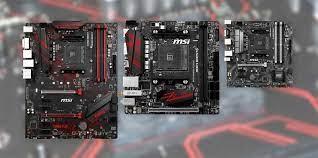
ATX and Micro ATX are form factors for desktop computers. It defines the dimensions, power requirements and specific characteristics of supplies, peripheral connectors/add-ons, and connector types on computer systems. It mainly relates to the motherboard, power supply and chassis configuration of the computer system. Let’s see the difference: ATX Vs Micro ATX
ATX:-
ATX is a specification standard for motherboards developed by Intel in 1995 from the AT standard. ATX stands for Advanced Technology extended. This is the first major change to the hardware configuration of desktop-type computers.
Size:-
The full-size ATX board is measured as 12 inches × 9.6 inches (305 mm × 244 mm). The ATX standard introduced the ability to use separate sections of the system for addition and expansion of the motherboard, often called the input/output panel, the board on the backside of the chassis and used to attach devices. The configuration of the I/O panel is set by the manufacturer, but the standard allows for ease of access not found in previous AT configurations.
Power Supply:-
Some important changes have also been made to the ATX power supply. ATX uses a power supply with three main output voltages at +3.3V, +5V and +12V. Low power -12V and 5V standby voltages are also used. Power is connected to the motherboard using a 20-pin connector that can only be connected in a single way. This eliminates the possibility of improperly connecting the power supply and causing irreparable damage to the system, a drawback of previous versions. It also provides a +3.3V supply directly and removes the requirement that 3.3V be derived from a 5V supply.
Power Button:-
ATX power supplies also use a power switch connected to the power button on the computer case, and a modification allows the computer to be turned off through the operating system.
Micro ATX:-
Micro ATX is a standard introduced in 1997 based on the ATX specification, also known as uATX, mATX, or µATX. The main difference between the standards lies in the size of the computer system. The maximum size for a micro ATX motherboard is 244mm × 244mm.
Micro ATX can be considered a derivative of the ATX standard. The mounting points are the same. This allows micro-ATX motherboards to be compatible with the chassis of standard ATX system boards. The main I/O panel and power connectors are identical, allowing peripherals and devices to be interchanged. TA standard ATX PSUs can be used with micro ATX systems without problems. It also uses the same chipset configuration, but the size defined in the standard limits the number of available expansion slots.
ATX Vs Micro ATX:-
• ATX is a hardware (motherboard) specification for computers launched by Intel Corporation in 1995, developed from the existing AT specification.
• Micro ATX is a hardware specification introduced based on the ATX specification standard. This makes it compatible with peripherals and add-ons used in ATX computers. The power supply, I/O panel as well as connectors are the similar.
• Micro ATX is smaller than standard ATX configuration. Fewer expansion slots and fan headers than standard ATX.
• Micro ATX's chassis is smaller, but you can install a micro ATX motherboard even on a standard ATX board.

Post Your Ad Here
Comments