An overview Of Low Pressure Gauge And Pressure Gauge Syphon
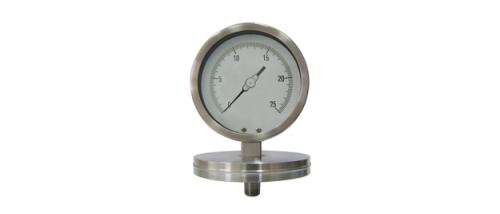
One of the most often used devices in a plant is known as pressure gauges. Since these instruments are being used extensively, many people undermine the importance of attention to reliability and maintenance. When these two things are compromised, you can find a good number of gauges and switches not being 100% operational in various plant settings. This is a very critical situation to have because when a plant is being operated with non operational or failed pressure switch, the plant’s safety becomes a major source of concern. In other words, you are compromising on the safety of the plant.
On the other hand, if a plant operates in a safe manner even when the gauge is defective, it clearly suggests that gauge was not needed in the first place. What do all these aspects convey? The primary goal of a good instrumentation design is to install optimal number of pressure gauges and switches that ensures maximum productivity.
Low Pressure Gauge
When you have to measure low pressure or vacuum, these types of instruments with a capsule design can be used. They comprise of two corrugated metal discs of stainless steel or brass together. The pressure change causes the disk to contract or expand and with the help of a pinion movement mechanism, this motion is being transferred to the indicator.
The case size influences the accuracy level and when the measured pressure becomes lower, the diaphragm area and the case diameter become larger. In normal circumstances, brass pressure gauge can be used and if have to deal with aggressive media applications, stainless steel must be utilized. These types of instruments can be employed for a wide range of industries spanning from medical to HVAC applications.
Pressure Gauge Syphon
If you want to protect the pressure gauge against the effects of hot pressure media like steam, pressure gauge siphons are one of the best options available. The effect of the rapid pressure surges can also be reduced with the help of these instruments.
The condensate formed by the pressure medium is gathered inside siphon’s coil or pigtail portion and it prevents the hot media from getting into direct contact with the pressure instrument. When a siphon is installed for the first time, it must be filled with water or any other congenial separating liquid. These types of instruments are available in two forms and they include pigtail siphon and coil siphon as well.
Post Your Ad Here
Comments