How does Digital Health Integration improve Diabetes Management?
Diabetes Management Guideline 2025
Diabetes management involves a comprehensive approach to maintaining bloodglucose levels within a target range through lifestyle changes, medication, monitoring, and personalized care. The goal is to prevent complications while promoting overall health and quality of life.
Overview of Diabetes Management
Diabetes management aims to keep blood glucose levels as close to normal as possible. This involves a combination of dietary therapy, physical activity, medication (oral or insulin), blood glucose monitoring, and education to empower patients to manage their condition effectively. Managing associated risks such as cardiovascular disease is also a key component.
Key Components of Diabetes Management
Dietary control is fundamental, focusing on balanced nutrition that supports weight management and stable blood sugar.
A diet rich in complex carbohydrates (whole grains), limited processed foods, added fats, and sugars is recommended.
Regular meal timing with appropriate snacks helps avoid hypoglycemia, especially for insulin users.
Exercise helps muscles use glucose more efficiently, aiding in blood sugar control.
Activity levels may require adjustments in carbohydrate intake and insulin dosages to prevent hypoglycemia during and after exercise.
Type 1 diabetes requires insulin therapy that mimics physiological secretion; patient education and cooperation are critical.
Type 2 diabetes may be managed with oral medications, non-insulin injectables, or insulin depending on disease progression.
Medication regimens aim to optimize blood sugar with minimal side effects and to reduce cardiorenal risk.
Blood Glucose Monitoring Devices
Regular monitoring helps patients and clinicians adjust diet, activity, and medication.
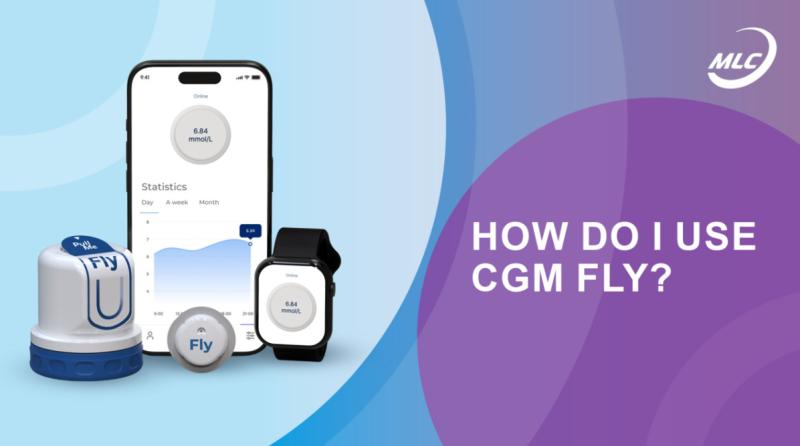
Continuous glucose monitors (CGM) are increasingly recommended for real-time insights and improved control.
Managing Complications and Risks
Controlling cardiovascular risk factors like smoking, hypertension, and lipid abnormalities is integrated into diabetes care.
Healthcare teams emphasize avoiding hypoglycemia by balancing medication with food intake and activity.
Emerging Recommendations (2025 Standards)
Individualized glycemic targets based on patient risk and hypoglycemia avoidance.
Increased use of CGM for both type 1 and type 2 diabetes patients on insulin or other glucose-lowering agents.
Updated guidelines on dietary supplements and sodium intake to support glycemic control.
Common FAQs about Diabetes Management
Can lifestyle changes reverse diabetes?
Lifestyle improvements can greatly enhance control and sometimes put type 2 diabetes into remission, but not all cases are reversible.
How often should blood sugar be checked?
Frequency depends on diabetes type and treatment; may range from multiple daily checks to less frequent testing with CGM support.
What is hypoglycemia and how to prevent it?
Hypoglycemia is low blood sugar, often caused by medication or missed meals; prevention involves balanced food intake, medication adjustment, and monitoring.
Are there new medications?
Research continuously updates medication options emphasizing efficacy and reduced side effects, including novel agents that protect heart and kidney health.
Conclusion: This overview presents a multi-faceted approach to diabetes management emphasizing education, preventive care, and personalized treatment plans to live well with diabetes.
If more detail is needed on specific treatments, diet plans, or technological aids in diabetes care, further exploration is recommended.

Post Your Ad Here
Comments (1)
Beyond Eleven16
Fresh Money Making Ideas
Great article!
Continuous glucose monitors (CGM) are increasingly recommended for real-time insights and improved control.