How Nurse Practitioners and Therapists Treat Anxiety
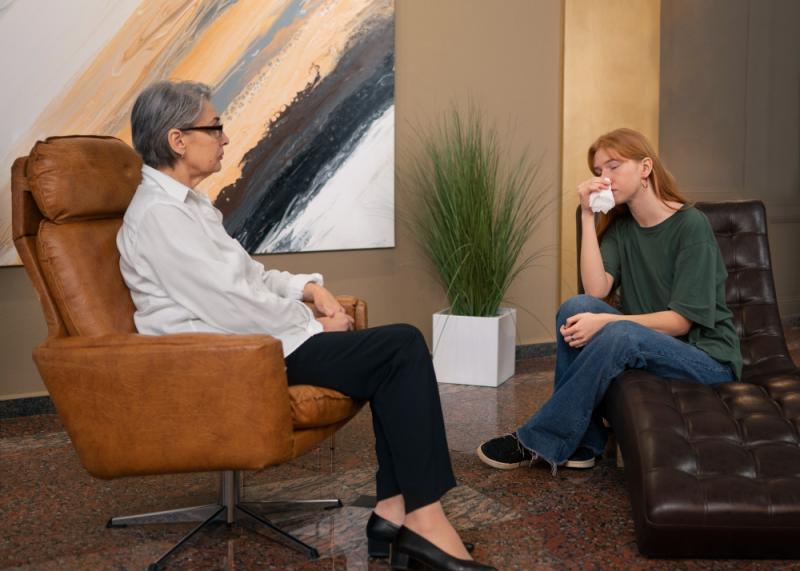
Anxiety is one of the most common mental health conditions in the United States, affecting millions of adults each year. While therapy and medication are often discussed separately, the most successful outcomes usually occur when both approaches are combined in a coordinated care model. One of the key partnerships in this integrated system is between nurse practitioners and therapists. Understanding how these professionals work together in nurse practitioner anxiety treatment can help patients feel more confident and supported as they navigate their journey toward mental well-being.
The Importance of a Collaborative Approach
Anxiety disorders, including generalized anxiety disorder (GAD), panic disorder, and social anxiety, affect not only the mind but also the body. Because of this, treatment often requires both medical and psychological expertise. Nurse practitioners (NPs) and therapists bring unique strengths to the table when they work together, patients receive a more holistic form of care.
Nurse practitioners are skilled at evaluating physical symptoms, prescribing medication, and monitoring overall health. Therapists, on the other hand, focus on identifying emotional triggers and teaching coping strategies through methods such as Cognitive Behavioural Therapy (CBT) or mindfulness-based interventions. Together, they create a treatment plan that addresses the full scope of anxiety, from biological factors to lifestyle and thought patterns.
What Nurse Practitioners Bring to Anxiety Treatment
Nurse practitioners specialize in combining medical science with patient-cantered care. When it comes to anxiety management, their role includes several important aspects:
1. Comprehensive Assessment
NPs begin by conducting a full medical and psychological evaluation. This includes reviewing symptoms, health history, and possible underlying conditions that may contribute to anxiety, such as thyroid disorders or hormonal imbalances.
2. Medication Management
Nurse practitioners are authorized to prescribe medications such as SSRIs, SNRIs, or beta-blockers, depending on the patient’s specific needs. They monitor the effectiveness of these medications and adjust dosages as necessary, ensuring both safety and comfort.
3. Holistic Support
Unlike a purely medical model, nurse practitioners often integrate lifestyle counselling into care. They help patients understand how nutrition, sleep, and exercise affect anxiety levels and provide guidance for sustainable changes.
4. Coordination with Mental Health Professionals
NPs frequently act as the bridge between physical and mental health care. They collaborate with therapists, psychiatrists, and social workers to ensure that each aspect of the patient’s health is addressed in harmony.
The Therapist’s Role in Anxiety Management
Therapists play a vital part in helping patients understand and manage their anxiety on an emotional level. While medications can reduce the physical sensations of anxiety, therapy provides long-term tools for changing thought patterns and behaviours that fuel it.
Therapeutic techniques include:
-
Cognitive Behavioural Therapy (CBT): Helps patients recognize and challenge distorted thinking.
-
Exposure Therapy: Gradually reduces fear responses by controlled exposure to anxiety triggers.
-
Mindfulness and Relaxation Techniques: Teach grounding and stress-reduction practices.
-
Interpersonal Therapy (IPT): Focuses on improving relationships that may contribute to stress or anxiety.
Therapists collaborate closely with nurse practitioners to ensure that therapy and medication work together effectively. This communication allows for adjustments if symptoms change or side effects appear.
How Collaboration Improves Patient Outcomes
1. Enhanced Communication
When nurse practitioners and therapists collaborate, they maintain regular communication about treatment progress. This ensures the care plan remains aligned with the patient’s needs.
For instance, if a therapist notices that anxiety symptoms are worsening, the NP can review medication effectiveness or check for medical factors contributing to stress. Conversely, if the NP sees progress in medication response, the therapist can help reinforce those gains through targeted behavioural interventions.
2. Personalized and Adaptive Care Plans
Each person’s experience with anxiety is unique. Collaborative care allows for dynamic adjustments therapists can modify coping strategies as nurse practitioners fine-tune medication dosages. The result is a tailored approach that adapts as the patient grows.
3. Reduced Stigma and Better Engagement
Many patients feel more comfortable seeking help when they see multiple professionals collaborating for their well-being. This teamwork reinforces the idea that anxiety is a treatable health condition, not a personal weakness.
4. Long-Term Stability
An integrated care plan promotes consistency. While therapists teach coping skills that reduce dependence on medication over time, nurse practitioners monitor physical health to prevent relapse or new complications.
How the Process Works
Collaborative anxiety treatment typically follows these steps:
-
Initial Evaluation: The patient meets with a nurse practitioner for a comprehensive assessment.
-
Referral and Coordination: If therapy is recommended, the NP refers the patient to a therapist, often within the same practice or network.
-
Joint Treatment Planning: Both professionals discuss the patient’s goals and determine how medication and therapy will complement each other.
-
Ongoing Monitoring: The NP and therapist maintain communication through progress notes or check-ins.
-
Follow-Up Adjustments: As symptoms change, both providers collaborate on treatment modifications.
This structure ensures that every aspect of the patient’s health is supported consistently and effectively.
Addressing Common Misconceptions
Many people assume that only psychiatrists can prescribe medication or that therapy and medication are separate paths. In reality, nurse practitioners play a crucial role in mental health care, often providing more accessible and holistic support.
Another misconception is that therapy alone should “fix” anxiety. While therapy is a powerful tool, biological factors such as genetics or chemical imbalances can make anxiety more resistant to treatment. That’s why combining therapy with medical oversight from a nurse practitioner offers the best balance between physical and emotional healing.
The Role of Medication in Collaborative Care
While medication isn’t always necessary, it can be a valuable part of a broader treatment plan, especially for those with severe or persistent anxiety symptoms. Nurse practitioners evaluate when medication is appropriate and how to use it safely.
Understanding the role of Medication in Anxiety Care helps patients feel more empowered and informed. Rather than relying solely on prescriptions, collaborative care uses medication as one part of a multi-layered approach that includes therapy, lifestyle changes, and continuous monitoring.
The Benefits of Integrating Care
-
Comprehensive Support: Patients receive both medical and emotional guidance.
-
Improved Outcomes: Combining therapy and medication enhances long-term recovery rates.
-
Continuity of Care: Ongoing collaboration ensures consistent follow-up and accountability.
-
Empowerment: Patients feel heard, supported, and involved in their treatment decisions.
In short, when nurse practitioners and therapists work as a team, they create a powerful framework for healing that respects both the mind and the body.
How to Find a Collaborative Care Team
Finding professionals who prioritize communication and integration is key. Look for clinics or telehealth providers that encourage a multidisciplinary approach to anxiety management. Before committing to care, ask about how providers coordinate and whether treatment plans are reviewed collaboratively.
A transparent, team-oriented environment makes a significant difference in treatment success and patient satisfaction.
Taking the Next Step Toward Relief
Anxiety can feel overwhelming, but you don’t have to face it alone. The collaboration between nurse practitioners and therapists offers a balanced, effective way to regain control and peace of mind. Their combined expertise helps ensure that both your physical and emotional health are cared for with precision and compassion.
If you’re ready to begin your journey toward recovery, Serenity Telehealth offers integrated support that blends medical and therapeutic approaches. Their clinicians specialize in anxiety management and provide convenient, compassionate care. They are also recognized as an Online Mental Health Provider in New York, making professional help accessible no matter where you are.
Post Your Ad Here
Comments