Comparing Common Anxiety Treatment Methods
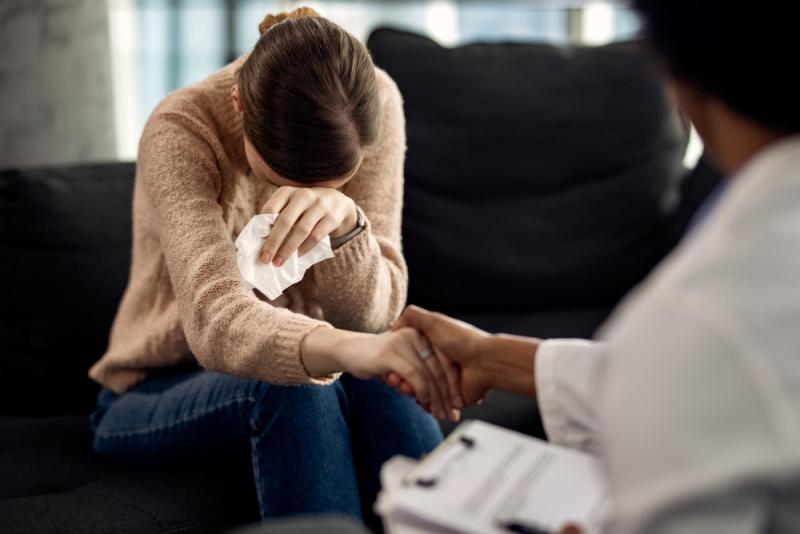
Anxiety can affect anyone, regardless of age or background, and its impact can reach far beyond occasional nervousness. For many, it interferes with daily activities, relationships, and overall quality of life. Understanding the different ways anxiety can be treated is essential for making informed choices about mental health. While there’s no one-size-fits-all solution, comparing the most common approaches can help individuals find what works best for them. Many people turn to Anxiety Treatment services for professional guidance, where a mix of therapeutic and medical strategies is used to create personalized plans that support lasting emotional balance.
Understanding Anxiety: A Complex Condition
Anxiety is more than temporary worry it’s a persistent, often overwhelming sense of fear or unease that can affect both body and mind. Common anxiety disorders include Generalized Anxiety Disorder (GAD), Panic Disorder, Social Anxiety Disorder, and specific phobias. Each type involves unique triggers and symptoms, but all can lead to chronic stress, fatigue, and reduced quality of life.
Because anxiety can manifest differently from person to person, treatments must be tailored to individual needs. This is why comparing various approaches therapy, medication, lifestyle changes, and holistic interventions—can help identify the most effective strategy for each case.
Major Anxiety Treatment Methods
There are several evidence-based methods for treating anxiety. Most mental health professionals use a combination of these strategies to provide comprehensive care.
1. Cognitive Behavioral Therapy (CBT)
CBT is widely recognized as one of the most effective forms of therapy for anxiety. It helps individuals recognize and change distorted thought patterns that lead to anxious behaviors.
How it works:
CBT focuses on identifying negative thought cycles—such as catastrophizing or overgeneralizing and replacing them with more realistic, positive ones. Therapists guide patients in learning coping skills, relaxation techniques, and behavioral changes that reduce anxiety over time.
Benefits:
-
Provides long-term coping mechanisms
-
Empowers individuals to manage anxiety independently
-
Often produces results within weeks to months
Best for:
Those with Generalized Anxiety Disorder, social anxiety, or panic attacks.
2. Medication-Based Treatments
Medication is another cornerstone of anxiety management, especially for moderate to severe cases. Psychiatrists or nurse practitioners may prescribe medication to help regulate brain chemistry and reduce symptoms.
Common medications include:
-
SSRIs (Selective Serotonin Reuptake Inhibitors): Such as sertraline (Zoloft) and escitalopram (Lexapro).
-
SNRIs (Serotonin-Norepinephrine Reuptake Inhibitors): Such as venlafaxine (Effexor) or duloxetine (Cymbalta).
-
Benzodiazepines: Such as lorazepam (Ativan) or alprazolam (Xanax), used for short-term relief.
-
Buspirone: A non-sedating option for generalized anxiety.
Benefits:
-
Reduces symptoms quickly for severe cases
-
Helps individuals participate more fully in therapy
-
Can be combined with other treatments
Considerations:
-
May take several weeks to work
-
Requires medical supervision for safety and dosage management
-
Can cause side effects or dependency if misused
Medication alone isn’t a cure but can be a valuable tool within a broader treatment plan.
3. Lifestyle and Behavioral Adjustments
Lifestyle choices play a powerful role in managing anxiety. Simple, consistent habits can significantly reduce symptoms and improve resilience.
Effective changes include:
-
Regular exercise: Boosts mood-regulating chemicals like endorphins and serotonin.
-
Balanced diet: Stabilizes blood sugar levels and reduces mood swings.
-
Quality sleep: Helps regulate stress hormones and emotional responses.
-
Limiting caffeine and alcohol: Both can heighten anxiety and interfere with sleep.
Mindfulness practices, such as meditation or yoga, also help calm the nervous system and promote emotional clarity.
Benefits:
-
Enhances overall mental health
-
Promotes long-term stability
-
Works synergistically with therapy or medication
4. Exposure Therapy
Exposure therapy is especially effective for phobias, panic disorder, and social anxiety. It gradually exposes individuals to the situations or thoughts that trigger anxiety, helping them build tolerance and reduce avoidance behaviors.
How it works:
Under professional guidance, patients confront fears in controlled settings. Over time, repeated exposure reduces the emotional intensity associated with those triggers.
Benefits:
-
Rewires fear responses
-
Builds confidence and resilience
-
Effective for both situational and chronic anxiety
5. Holistic and Complementary Approaches
Holistic treatments complement traditional therapies by focusing on the mind-body connection. Practices such as acupuncture, aromatherapy, massage, and breathing exercises can support relaxation and balance.
Nutritional supplements, like omega-3 fatty acids or magnesium, may also support emotional well-being when approved by a healthcare provider.
Benefits:
-
Non-invasive and natural
-
Can enhance traditional treatment results
-
Encourages self-care and awareness
However, holistic methods should not replace medical treatment for severe anxiety but can be an excellent adjunct to a broader plan.
Choosing the Right Treatment Approach
The most effective treatment depends on the individual’s type of anxiety, severity, lifestyle, and preferences. Often, combining therapy and medication yields the best outcomes.
For instance, someone with panic disorder might use CBT alongside short-term medication, while a person with mild generalized anxiety may benefit most from lifestyle adjustments and mindfulness training.
Healthcare providers carefully evaluate each case to develop a plan that balances symptom relief with long-term emotional growth.
It’s also worth noting that anxiety frequently coexists with other mental health conditions, such as depression or mood instability. In such cases, discussing related topics like Bipolar Disorder Treatment can help individuals and families understand how different conditions require tailored, but sometimes overlapping, treatment strategies.
The Role of Professional Support
Professional guidance is key to managing anxiety effectively. Licensed therapists, psychiatrists, and nurse practitioners provide structure and accountability that self-help strategies alone cannot offer. They also help patients track progress, make adjustments, and stay motivated through setbacks.
When choosing a provider, look for experience in anxiety disorders, an evidence-based approach, and a communication style that makes you feel comfortable.
Many people find that telehealth platforms make it easier to access consistent care without long wait times or travel barriers. This accessibility ensures individuals receive timely support, especially during high-stress periods.
The Importance of Consistency and Patience
Recovery from anxiety isn’t linear it takes time, commitment, and sometimes a bit of trial and error. Medications may need adjustment, therapy might uncover deep-seated fears, and progress can fluctuate. The key is consistency.
Sticking with appointments, practicing coping skills daily, and maintaining healthy habits gradually retrain the brain to respond differently to stress. Most importantly, celebrate small victories each step forward is progress toward lasting calm and confidence.
Modern Care and Accessibility Through Serenity Telehealth
Access to professional care is easier today than ever before. Serenity Telehealth offers compassionate, personalized support for individuals struggling with anxiety and related mental health challenges. Their licensed providers specialize in evidence-based therapies and medication management through secure, convenient virtual appointments.
Patients appreciate the blend of professional expertise and genuine empathy that makes each session feel both productive and supportive. Whether you’re beginning your mental health journey or adjusting your current treatment plan, working with a trusted provider can make a meaningful difference in recovery and overall well-being.
In Summary:
Anxiety can be challenging, but understanding your options makes recovery possible. Comparing treatment methods—from therapy and medication to holistic approaches—helps you make choices that fit your needs and goals. With consistent effort, professional support, and patience, relief from anxiety is within reach. Effective care isn’t about one single method but about finding the right combination that empowers you to live a calmer, more confident life.
Post Your Ad Here
Comments