Kitchen Remodel Tips to Maximize Space and Functionality
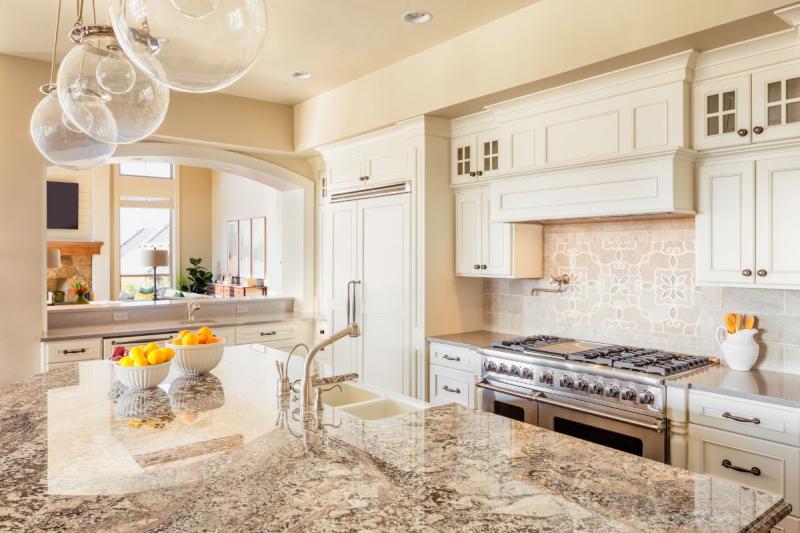
A well-planned kitchen remodel transforms more than countertops and cabinets — it reshapes how you live. Whether you’re updating a cramped starter kitchen or reworking a family hub, the goal is the same: create a layout that feels spacious, works intuitively, and stands up to daily life. This guide gives practical, budget-aware tactics and design decisions you can apply now, plus a real-world case study from Knoxville to illustrate the process.
Why focus on space and functionality?
Kitchens are multi-task environments: food prep, dining, homework, entertaining, storage, and more. A beautiful kitchen that doesn’t function wastes time and money. Prioritizing space efficiency and user-friendly design ensures your kitchen supports how you actually use it every day.
Start with a plan: audit and prioritize
Before buying materials or calling a contractor, do a short audit:
-
List daily kitchen tasks and pain points (e.g., “pots stored above stove,” “no landing zone for groceries”).
-
Measure the room and note door swing, window positions, and fixed utilities.
-
Rank must-haves vs. nice-to-haves (ample prep surface vs. designer faucet).
This makes decisions clearer and helps when interviewing a Knoxville home remodeling contractor or comparing bids for kitchen remodeling.
Layout strategies that create space
1. Stick to smart work triangles (and adapt them)
The classic kitchen triangle (sink—stove—refrigerator) still matters because it reduces wasted steps. In smaller kitchens, shorten travel paths; in open plans, create multiple work zones so several people can work without bumping into each other.
2. Open-shelving + closed storage balance
Open shelves make a kitchen feel larger visually, but they require tidiness. Combine open shelving for frequently used items and attractive dishes with closed cabinetry for pantry goods, small appliances, and clutter.
3. Use vertical space
Tall cabinets that go to the ceiling and added shelving take advantage of unused vertical real estate. Store seasonal or rarely used items up high and keep everyday items at eye level for ease.
4. Multi-functional islands
An island can be a prep station, seating area, storage unit, and appliance hub. In narrow kitchens, consider a slim island or a movable cart to preserve flow.
Storage solutions that actually work
1. Deep drawers for pots and pans
Pull-out, deep drawers are easier to access than lower cabinets with shelves. Install organizers or tiered dividers so lids and pans are neat and reachable.
2. Pull-out pantry and corner solutions
Pull-out pantries, blind-corner carousels, and swing-out trays turn dead corners into usable space. These small investments dramatically increase usable storage.
3. Drawer organizers and vertical dividers
Flatware trays, knife blocks integrated into drawers, and vertical dividers for baking sheets keep counters clear and speed up meal prep.
4. Built-in appliance garages
Reclaim counter space by hiding small appliances under a cabinet door or within a roll-top appliance garage. Works well near coffee stations or toaster stations.
Materials and finishes that enhance perceived space
-
Light, reflective surfaces (pale cabinetry, glossy backsplashes, quartz counters) brighten a room and make it feel larger.
-
Use consistent flooring between an open-concept kitchen and adjacent living space to create continuity and visual flow.
-
Choose slim-profile cabinet pulls and recessed handles to reduce visual clutter.
Lighting: layered design for function and depth
Good lighting is non-negotiable:
-
Task lighting: under-cabinet LED strips for prep areas.
-
Ambient lighting: recessed cans or pendant fixtures for overall brightness.
-
Accent lighting: in-cabinet LEDs or toe-kick lights to add depth and highlight features.
A well-lit kitchen reads as larger and is safer and more pleasant to work in.
Appliance and fixture choices to save space
-
Opt for counter-depth refrigerators to minimize the appliance footprint.
-
Consider a two-drawer dishwasher or a compact dishwasher if space is tight.
-
Wall-mounted ovens and microwaves free counter space and allow for more continuous cabinetry.
-
A single-handle pull-down faucet with a retractable sprayer maximizes utility in one fixture.
Workflow and ergonomics
Position commonly used items within easy reach. Place spices near the stove, cutting boards and knives near prep zones, and dishware next to the dishwasher or sink. Plan for comfortable heights: deeper countertops and higher cabinets where appropriate for taller household members.
Budgeting and working with a contractor
When hiring a Knoxville home remodeling contractor for kitchen remodeling:
-
Get at least three detailed estimates that break down labor, materials, and allowances.
-
Ask for references and visit past projects if possible.
-
Confirm timelines, payment schedule, and who manages permits.
-
Prioritize upgrades that impact daily use (storage, lighting, layout) over purely cosmetic finishes if budget is limited.
A trusted, reliable contractor will present solutions that are both affordable and results-driven, and will help avoid costly changes once work has started.
Real-world case study: A Knoxville kitchen rework that added function without expansion
Background: A family in North Knoxville had a 12’×10’ galley kitchen. They loved their neighborhood but hated the cramped feel: limited counter space, cluttered open shelves, and poor lighting. They hired a local Knoxville home remodeling contractor with strong local references.
Key moves:
-
Reworked the layout to flip the refrigerator and range, shortening the work triangle.
-
Replaced upper cabinets on one side with shallow open shelving and incorporated a full-height pantry cabinet on the opposite wall.
-
Installed two deep pull-out drawers beneath the cooktop for pots and pans and added a narrow pull-out spice rack beside the range.
-
Replaced the single overhead fixture with layered lighting: recessed cans, under-cabinet strips, and two narrow pendants over a slim, 4-foot island with storage and a breakfast shelf.
-
Chose light quartz counters and a subtle reflective subway-tile backsplash.
Outcome:
-
Counter space increased by 30% through better layout and the slim island.
-
Daily workflow improved — cooks reported fewer steps and less time searching for items.
-
The remodel stayed within budget by prioritizing storage solutions and lighting over high-end appliances.
-
The homeowners reported the kitchen felt “visually larger” and more welcoming — and resale value improvement was an added benefit.
This example shows that strategic layout and storage choices, guided by a well-experienced contractor, deliver big functional gains without a full footprint increase.
Common mistakes to avoid
-
Overcrowding an island in a narrow kitchen — it should allow at least 36–42 inches of clear walkway.
-
Prioritizing trendy finishes over ergonomic and storage solutions.
-
Forgetting task lighting — ambient light alone isn’t enough for food prep.
-
Not accounting for appliance dimensions and door swings during planning.
Quick checklist before you start
-
Measured floor plan and appliance specs.
-
Prioritized list of must-haves.
-
Three contractor bids with a written scope.
-
Lighting plan (task, ambient, accent).
-
Storage plan (drawers, pull-outs, pantry).
-
Timeline that includes permitting.
FAQs
How much does a typical kitchen remodeling project cost?
Costs vary widely by scope, location, and finishes. A minor remodel focusing on storage, lighting, and surfaces will cost significantly less than a full gut. Always get detailed estimates and specify allowances for fixtures and finishes.
Can I make a small kitchen feel larger without moving walls?
Yes. Use light colors, reflective surfaces, open shelving, vertical storage, and improved lighting. Reconfiguring the layout and adding an island or mobile cart can also enhance function and perceived space.
How long does kitchen remodeling usually take?
Typical timelines depend on scope — cosmetic updates can take a few weeks; full remodels that involve structural or mechanical changes commonly take 6–12 weeks. Discuss realistic timelines with your contractor and include permit time.
Should I hire a local Knoxville home remodeling contractor?
Hiring a local, trusted contractor has advantages: familiarity with local codes, quick access for site visits, and local references. Look for top-rated, proven contractors with good reviews and a portfolio of kitchen remodeling work.
Conclusion
Maximizing space and functionality in a kitchen remodel is less about the size of the room and more about thoughtful design. Start with a clear audit of how you use the space, prioritize storage and workflow improvements, and invest in layered lighting and smart materials that expand visual space. Partnering with a reliable Knoxville home remodeling contractor like MEL Realty Repairs LLC, who understands kitchen remodeling priorities, will turn your plans into a kitchen that’s both beautiful and supremely usable.
Post Your Ad Here
Comments