The Tableware Transformation: Customization and Sensory Dining Trends in 2025
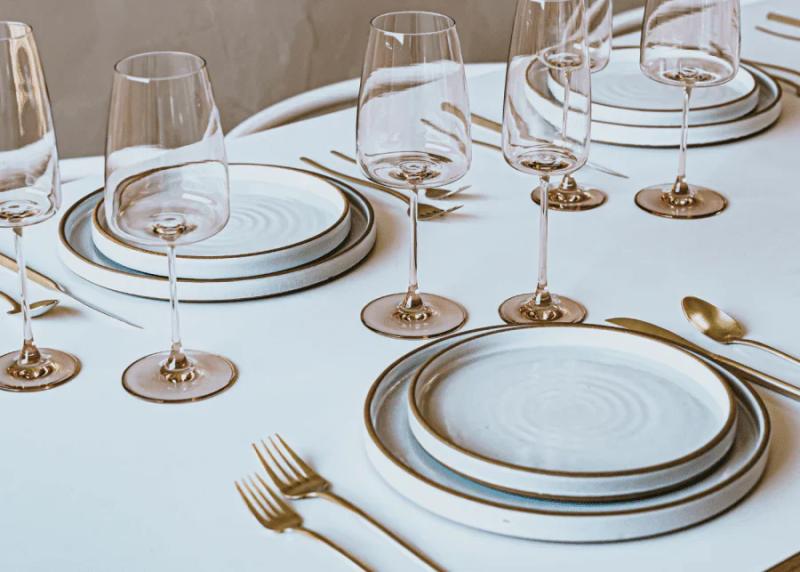
The contemporary dining scene is a complex tapestry woven from culinary innovation, aesthetic presentation, and an ever-evolving guest experience. Central to this experience is the tableware itself. No longer mere vessels for food, custom tableware and thoughtfully designed ceramic mugs have emerged as critical elements that define a restaurant's identity, elevate guest perception, and enhance the overall sensory journey. This shift reflects a move away from generic, mass-produced items towards pieces that are unique, memorable, and reflective of a chef's vision or a brand's ethos.
The Evolution from Functional to Experiential Tableware
Historically, tableware primarily served a utilitarian purpose: holding food and drink. While functionality remains paramount, modern dining trends have propelled tableware into the realm of artistry and storytelling.
Storytelling on the Plate: Chefs are increasingly viewing plates, bowls, and serving dishes as extensions of their culinary narrative. A dish might be conceptually linked to a specific region, season, or artistic movement, and custom tableware allows this narrative to extend beyond ingredients. A textured, earthy plate can evoke a connection to nature, while a minimalist, geometric design might complement a modern, avant-garde cuisine. This meticulous attention to detail transforms eating from a simple act into an immersive experience.
Enhanced Sensory Engagement: Custom tableware can subtly manipulate how food is perceived. The weight of a plate, the tactile finish of a ceramic mug, or the unique glaze pattern can heighten a diner's sensory engagement. For example, a matte black plate can make vibrant colors pop, enhancing visual appeal, while a mug with a slightly irregular, hand-thrown feel adds a comforting, authentic touch to a beverage service. This sensory enhancement directly contributes to the diner's enjoyment and memory of the meal.
Differentiation in a Competitive Landscape: In a crowded market, restaurants and hospitality venues are constantly seeking ways to stand out. Generic white plates offer little distinctiveness. Custom-designed pieces, whether bespoke dinnerware from a specialized tableware manufacturer or uniquely branded ceramic mugs, provide an unparalleled opportunity for differentiation. They become signature elements that guests associate exclusively with that particular establishment, fostering a unique brand identity that extends beyond the menu.
The Strategic Importance of Custom Ceramic Mugs
Among all tableware items, the ceramic mug holds a particularly significant place in the custom trend, especially in cafes, boutique hotels, and casual dining settings.
The Intimacy of the Mug: Unlike a plate, which is often shared or focused on the food, a mug is an intensely personal item. Diners hold it, feel its warmth, and bring it close to their faces. This intimacy makes the mug a powerful tool for conveying brand personality and enhancing comfort. A custom mug—perhaps with a unique ergonomic handle, a special glaze, or an integrated logo—can significantly elevate the simple act of drinking coffee or tea.
Brand Reinforcement and Memorability: A custom ceramic mug acts as a miniature billboard for a brand. Repeated exposure to a well-designed logo or a signature aesthetic on an item held intimately creates a strong association. Moreover, unique mugs are highly shareable on social media, serving as organic marketing tools when guests photograph and post their dining experiences. Many establishments even sell their custom mugs as merchandise, turning a functional item into a tangible souvenir and a revenue stream.
Durability and Sustainability Messaging: Investing in high-quality, custom ceramic mugs often means sourcing from manufacturers committed to durable materials and responsible production. This aligns with increasing consumer demand for sustainability. A robust, chip-resistant mug lasts longer, reducing waste, and if sourced from an ethically-minded JOYYE ceramic supplier, it can communicate a brand's commitment to environmental stewardship. This contrasts sharply with disposable cups, offering a premium and responsible alternative.
Production Trends Driving Customization
The ability to achieve high levels of customization has been facilitated by advancements in ceramic production and design processes.
Flexible Manufacturing Techniques: Modern ceramic production, while still rooted in traditional craftsmanship, benefits from technology. Techniques like slip casting with custom molds, advanced glazing methods (including reactive and layered glazes), and precision decal application allow for significant personalization at scale. This flexibility means that even smaller establishments can often afford custom batches, not just large chains.
Collaboration Between Designers and Manufacturers: The rise of custom tableware is a testament to stronger collaborations between industrial designers, ceramic artists, chefs, and tableware manufacturer partners. Designers are working hand-in-hand with factories to push the boundaries of form, function, and finish, ensuring that aesthetic visions are technically feasible and durable enough for commercial use. This synergy creates truly innovative products tailored to specific culinary concepts.
Focus on "The Set of One": The trend toward customization also reflects a move away from uniform sets toward curated, individual pieces. Restaurants might have several different styles of plates for various courses, or a selection of mugs with complementary but distinct designs. This allows for greater artistic expression and ensures each dish or beverage is presented in its most impactful context. This "set of one" approach fosters a sense of uniqueness for each diner.
Conclusion
The modern dining experience is increasingly defined by personalized touches, and custom tableware and ceramic mugs are at the forefront of this evolution. They are no longer just containers but integral components of brand identity, storytelling, and sensory engagement. By investing in thoughtfully designed, high-quality pieces, hospitality venues can create more memorable experiences, differentiate themselves in a competitive market, and communicate their values to an increasingly discerning clientele. This shift underscores a fundamental change in how we perceive and value the objects with which we eat and drink, transforming every meal into a more personal and captivating journey.
Post Your Ad Here
Comments