The Next Chapter in Your Weight-Loss Transformation: From GLP-1 Injections to Plateaus and Skin Removal
GLP-1 Injections in North Florida: A Growing Tool in the Fight Against Obesity
GLP-1 receptor agonists — including semaglutide, liraglutide, and the newer dual-action tirzepatide — are changing how we treat obesity. These medications reduce hunger, increase satiety, and slow digestion, helping patients lose substantial weight without surgery.
However, as demand increases, patients still face a few key challenges:
-
Out-of-pocket costs can be high, especially for name-brand or compounded options.
-
Insurance coverage is still inconsistent, particularly when the drug is used solely for weight loss.
-
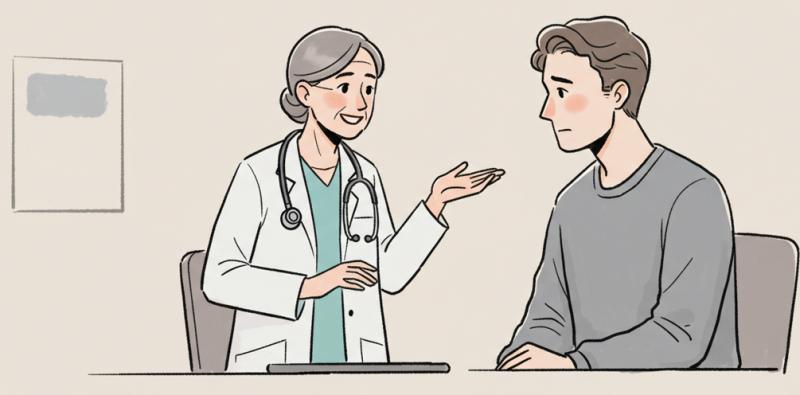
Clinical oversight is essential to ensure safe use, proper titration, and effective long-term outcomes.
For those who qualify, GLP-1 therapy can offer significant, medically supported results — especially when paired with nutritional and behavioral support.
The Tirzepatide Plateau: What It Means and How to Break Through
While many people see dramatic results during the first several months of tirzepatide use, it's common to reach a plateau — a point where weight loss slows or stops, even with continued adherence. This isn’t failure; it’s physiological adaptation.
What Clinical Research Tells Us
-
In large studies like SURMOUNT-1 and SURMOUNT-4, most patients experienced a plateau in weight loss between 24–36 weeks.
-
By around week 70, the average participant in SURMOUNT-4 had stabilized in terms of weight loss, despite ongoing treatment.
-
While GLP-1 and GIP receptor agonists reduce hunger signals, they can’t fully override the body’s long-term tendency to protect fat stores — something often called the “weight set point.”
Why It Happens
There are several reasons weight loss plateau might occur, even with continued medication:
-
Your metabolism slows as body mass decreases, reducing daily calorie burn.
-
Appetite hormones adjust, prompting your body to push back against further loss.
-
Subtle behavioral shifts — like increased portion sizes or reduced movement — may creep in.
-
You’ve maxed out your dose, and higher doses may not yield additional benefits for everyone.
What You Can Do
-
Revisit your nutrition plan and ensure you’re still in a calorie deficit.
-
Explore exercise changes, especially incorporating resistance training to preserve muscle mass.
-
Discuss with your doctor whether a dose increase or medication change might be appropriate.
-
Consider non-scale victories: better lab results, improved energy, smaller clothing sizes.
Remember, hitting a plateau is a natural part of most weight-loss journeys. What matters most is how you respond.
Dealing with Excess Skin: When Panniculectomy Surgery Becomes a Next Step
After losing a significant amount of weight, many patients are left with loose, hanging abdominal skin, known as a pannus. While it can be a sign of how far you’ve come, it can also bring unwanted challenges:
-
Frequent skin rashes or infections
-
Difficulty maintaining personal hygiene
-
Discomfort or mobility issues
-
Emotional stress or body image concerns
In cases where the excess skin interferes with health or daily function, a panniculectomy — a type of skin removal surgery — may be a medically necessary next step.
What Is a Panniculectomy?
This procedure removes the apron of loose skin and fat that hangs below the abdomen. Unlike a tummy tuck, it does not involve muscle tightening or reshape the entire abdomen. The goal is to alleviate physical symptoms, not just enhance appearance.
When Is It Appropriate?
-
You’ve reached and maintained your goal or stable weight for at least 6 months.
-
The pannus causes skin problems, discomfort, or interferes with mobility.
-
You’ve consulted with a plastic surgeon who confirms medical necessity.
In some cases, insurance may help cover the cost if documentation supports the need due to recurring infections or mobility limitations. It’s important to work with a board-certified plastic surgeon familiar with post-weight-loss patients.
Final Words
If you’re in North Florida and on the journey with GLP-1 injections or tirzepatide, and now considering your next move — whether it’s tackling a plateau or exploring skin removal surgery — you’re not alone. Thousands of others are navigating the same steps.
Work closely with your provider, stay informed, and focus on sustainable, whole-body wellness. Your journey doesn’t end with weight loss — it continues with choices that support the body and life you’ve worked so hard to create.
Post Your Ad Here
Comments