How Radiology Coding Services Ensure HIPAA and Payer Compliance
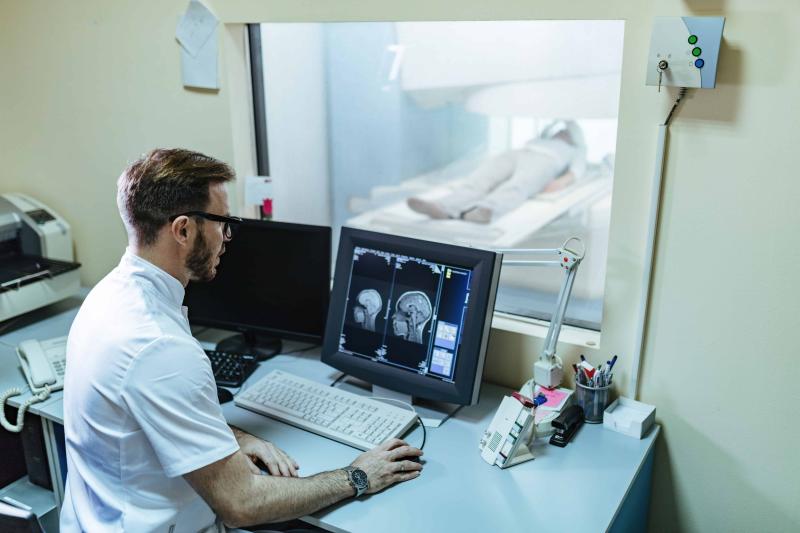
Maintaining compliance with HIPAA regulations and payer guidelines is essential for every radiology practice. Radiology Coding Services play a crucial role in safeguarding sensitive patient data and ensuring accurate claim submissions. Given the complexity of diagnostic imaging codes, even minor errors can result in compliance breaches or costly denials. By integrating secure coding workflows and adhering to federal standards, these services help radiologists stay compliant, reduce audit risks, and protect their financial integrity.
Importance of HIPAA Compliance in Radiology
HIPAA compliance is more than a legal requirement—it’s a professional responsibility. Radiology departments handle extensive amounts of patient data, from imaging reports to electronic health records (EHRs). Protecting this information from unauthorized access is vital for maintaining patient trust and avoiding penalties.
Effective coding teams implement encryption tools, access controls, and regular audits to ensure data confidentiality. Additionally, coders are trained to handle Protected Health Information (PHI) according to HIPAA privacy and security rules. This disciplined approach ensures that patient data remains secure throughout the billing and reimbursement process.
Ensuring Payer Compliance through Accurate Coding
Payer compliance requires detailed knowledge of insurance regulations and medical necessity documentation. Coding errors—such as using outdated CPT or ICD-10 codes—can lead to denials, delayed payments, or payer audits. Accurate documentation and coding not only prevent such issues but also ensure that claims are submitted according to each payer’s unique policies.
Radiology coding teams regularly review updates from the Centers for Medicare and Medicaid Services (CMS) and private insurers. By doing so, they stay ahead of rule changes and adjust coding practices accordingly. This proactive approach minimizes compliance risks while maximizing reimbursement accuracy.
Reducing Errors with Continuous Auditing and Training
A strong compliance framework includes continuous internal audits and coder education. Regular audits identify inconsistencies in claim submissions, helping practices correct them before they reach payers. Ongoing training sessions keep coders informed about the latest HIPAA amendments, payer policy updates, and new coding standards.
Such efforts create a culture of accountability and precision. When coding professionals understand the financial and regulatory impact of their work, error rates decline significantly. This consistency ensures that every claim aligns with payer and HIPAA requirements, supporting long-term compliance success.
The Role of Technology in Secure Radiology Coding
Modern technology is transforming how radiology practices manage coding compliance. AI-powered tools, cloud-based systems, and real-time analytics allow coders to detect discrepancies early. Automated claim checks and electronic health record integrations enhance both efficiency and accuracy.
Technology also supports data security by providing audit trails, multi-level authentication, and encrypted transmissions. These innovations not only reduce the administrative burden but also strengthen HIPAA and payer compliance simultaneously. Practices that combine human expertise with advanced software benefit from faster, cleaner claims and fewer compliance risks.
Connecting Compliance and Financial Health
Compliance is not just a regulatory goal—it directly affects financial performance. When coding aligns with payer rules and HIPAA guidelines, practices experience fewer denials and rejections. A compliant billing process ensures timely payments, improved cash flow, and a solid reputation with insurers.
Many practices also improve operational efficiency by collaborating with experts who manage end-to-end billing and coding solutions. Partnering with a trusted service provider ensures that both compliance and profitability remain in balance. Practices that apply this strategy—similar to the precision used in Specialty provider billing often see measurable improvements in claim acceptance and revenue stability.
Final Thoughts
Compliance in radiology billing and coding is an ongoing commitment that requires precision, technology, and expert oversight. Collaborating with a trusted partner like Steady Medical Billing ensures that radiology practices maintain strict HIPAA and payer compliance while optimizing reimbursement outcomes. Through structured processes and secure coding systems, practices can achieve financial success without compromising data integrity or regulatory standards.

Post Your Ad Here
Comments