Building Supply Chain Resilience Through Smart UK Customs Clearance
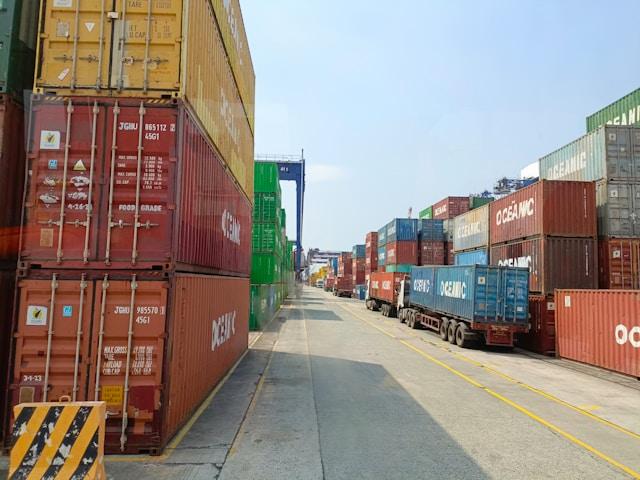
In an age of frequent disruption — geopolitics, trade fluctuations, port congestion, regulatory shifts — supply chains must be more resilient than ever. Every link in the chain matters, and customs clearance is increasingly a critical point of failure or differentiation. A seamless clearance process doesn’t just avoid delays; it protects margins, preserves reputation, and supports growth.
For importers and exporters operating in or through the UK, investing in robust customs processes is no longer optional — it’s strategic. In this article, we explore how smart UK customs clearance supports supply chain resilience and why partnering with an expert customs brokerage is a key competitive advantage.
The New Complexity of Global Trade
Recent years have raised the bar for what is expected of supply chains:
Tariff volatility and trade agreements shift rapidly; companies must adapt classification, duty, and origin rules.
Geopolitical disruptions (e.g. trade wars, sanctions, disruptions at key shipping chokepoints) require flexibility to reroute or shift protocols midstream.
Port congestion, limited capacity, and regulatory inspections add unpredictability to transit times.
Evolving compliance regimes globally demand stricter documentation, traceability, and auditability.
Trade used to be predictable in many respects. Now, margins of error are smaller and the cost of mistakes is higher.
Why Customs Clearance Is a Resilience Lever, Not Just a Bottleneck
When handled properly, customs clearance becomes a strength for your supply chain rather than a vulnerability. Here’s how:
1. Buffer Against Regulatory Change
A customs broker monitors evolving tariff schedules, origin rules, and import/export legislation. This proactive capability lets your supply chain adapt quickly, rather than scrambling retroactively when new rules hit.
2. Faster Throughput, Fewer Delays
Experienced brokerage ensures documentation is accurate, complete, and submitted ahead of deadlines. That means fewer holds at ports, less demurrage, and faster turnarounds — vital in lean logistic models.
3. Cost Protection
Delay costs, penalty fees, unnecessary duties, and storage charges all erode margins. Smart customs clearance helps catch and prevent these before they land on your P&L.
4. Route & Mode Flexibility
When a route becomes congested or blocked, customs brokerage expertise enables alternate routing or mode switching (e.g. switching from sea to rail) without tripping compliance issues halfway.
5. Visibility & Auditability
Digital dashboards, status reports, and compliance logs delivered by brokers give your operations and compliance teams real-time insight into every consignment — improving decision-making and risk control.
Hidden Risks in Do-It-Yourself Customs Strategy
Many businesses resist outsourcing customs, trying in-house management to save costs. But these are the common hidden risks:
Under-resourcing and skill gaps — in-house teams are rarely specialists in customs.
Slow response to rule changes — which can cause retroactive penalties.
Overlooked documentation or classification errors — a frequent cause of delayed clearance.
Unaccounted overhead costs — internal time spent chasing errors, managing audits, and resolving consignments.
Lack of fallback — if a compliance issue arises, brokers often have contingency paths or relationships to resolve them; in-house teams may be stuck.
In volatile trade environments, those hidden costs accumulate quickly.
Case-in-Point: Resilience Through Expertise (Hypothetical Scenario)
Consider a mid-tier manufacturer importing components from the EU and Asia for assembly in the UK:
One supplier from the EU sends components that now require customs declarations per new post-Brexit rules.
Simultaneously, geopolitical sanctions on a manufacturing region force rerouting via a different transit hub.
An improper classification on one batch triggers a hold at port, requiring supplementary documentation or re-valuation.
A smart customs broker would:
Monitor tariff/HS code updates and ensure classification alignment in advance.
Adjust or re-route transit plans to alternative ports or routes.
Liaise directly with border authorities to resolve holds swiftly.
Provide consolidated visibility reports across all batches.
The result: the manufacturer maintains delivery schedules with minimal disruptions, and cost exposure from delays or penalties is mitigated.
Supporting Your Resilience Strategy with Customs Brokerage
Here’s how integrating customs brokerage into your resilience architecture pays off:
Invest in Compliance Automation
Tools that auto-validate tariff codes, origin data, and paperwork drafts reduce human error and speed documentation.
Use Pre-clearance & Pre-filing
Submitting declarations ahead of arrival lets goods land ready to move rather than waiting for paperwork clearance.
Apply Risk-based Monitoring
High-value or high-risk consignment data triggers enhanced checks or alternate pathways proactively.
Build Scenario Plans
Plan for route deviations, alternate ports, or warehousing backups. A broker’s knowledge of alternate corridors is invaluable here.
Maintain Audit-ready Records
Analytics and logs from the customs process become evidence in audits, helping you defend compliance decisions and avoid fines.
Frequently Asked Questions (FAQ)
Do I always need a customs broker for UK imports/exports?
While not mandatory, using one virtually ensures smoother processing, fewer compliance errors, and protection from hidden risk — making it a smart investment.
Can a broker handle both import and export clearance?
Yes. A full-fledged customs brokerage partner typically covers both sides, ensuring seamless cross-border operations.
How fast can customs clearance be completed?
With accurate pre-filing and digital tools, many consignments can clear at port with minimal delay. Challenges arise when documentation is incomplete or noncompliant.
What kind of industries benefit most?
All import/export industries — including manufacturing, retail, food & drink, pharma, electronics — benefit. Those with perishable or high-value goods stand to lose most from delays.
Final Thoughts
In today’s volatile trade landscape, customs clearance is no longer a backstage function — it is a resilience pillar of your supply chain. Delay, regulatory shifts, and complexity make it too risky to manage lightly.
By integrating smart UK customs clearance into your operations with expert customs brokerage, you protect margins, maintain reliability, and gain a competitive edge.
Jordon Freight delivers precisely these strengths with its UK customs clearance services — helping clients navigate complexity, avoid cost, and keep goods moving.
In global trade, predictability is the true power. Let customs clearance be your strength, not your risk.
Post Your Ad Here
Comments