3 Key Advantages of Laser Hair Removal
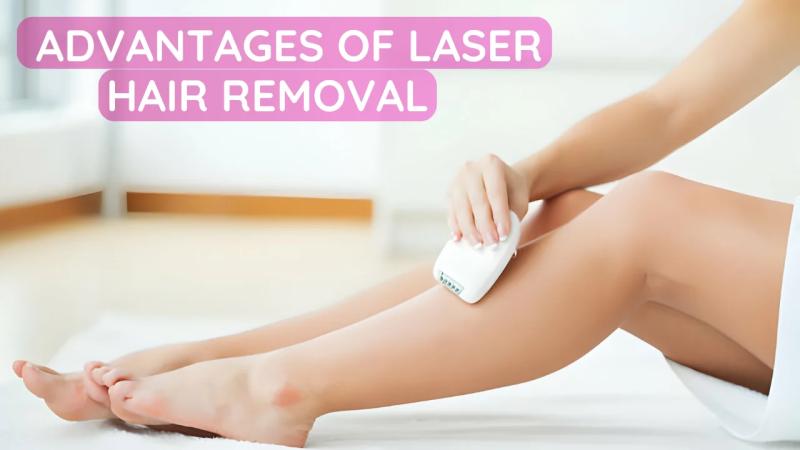
Laser-induced smooth skin represents a practical advancement
in aesthetic treatments, offering a reliable path to reduced maintenance and
enhanced appearance. This article examines three primary advantages of this method,
drawing on established dermatological principles to inform readers considering
such procedures in the capital.
A specialist at Medspa Beauty Clinic notes that London laser hair removal
treatments provide a targeted approach to skin refinement, minimising downtime
while delivering measurable improvements in texture and tone. For optimal
outcomes, patients should consult with qualified practitioners experienced in
advanced systems. This guidance underscores the importance of selecting
facilities attuned to individual skin types, ensuring safety and efficacy in a
procedure that has gained traction among London's working professionals.
The process of achieving laser-induced smooth skin typically
involves the use of concentrated light energy to address pigmentation
irregularities, fine lines, and uneven surfaces. Unlike traditional resurfacing
techniques that may require extended recovery periods, modern laser protocols
allow for quicker integration into daily schedules. Clinics across the city,
from Kensington to the City of London, have adopted these technologies to meet
the needs of diverse clientele, including executives and creatives who value
discretion and results.
The Mechanism Behind Laser-Induced Smoothness
To appreciate the advantages, it is necessary to outline the
foundational science. Lasers operate by emitting specific wavelengths of light
that penetrate the skin's layers, stimulating collagen production and
vaporising superficial imperfections. Fractional lasers, for instance, create
micro-columns of thermal damage surrounded by untreated tissue, promoting
faster healing. This selective photothermolysis targets chromophores—such as
melanin in pigmented spots—without broadly affecting surrounding areas.
In London, where environmental factors like pollution and
variable weather can exacerbate skin concerns, this precision is particularly
beneficial. Studies from the British Journal of Dermatology indicate that laser
treatments can improve skin elasticity by up to 30% after a series of sessions,
based on controlled trials involving urban populations. The procedure's
adaptability to various skin tones, including those common in multicultural
London, further broadens its appeal. Darker skin types, often underrepresented
in earlier aesthetic research, now benefit from diode and Nd:YAG lasers
designed to minimise risks like hyperpigmentation.
Patients undergoing these treatments report a noticeable
shift in skin quality within weeks, as the body's natural repair mechanisms
kick in. Hydration levels increase, and the stratum corneum—the outermost
layer—becomes more uniform, contributing to that sought-after smooth finish.
For those exploring options, laser hair removal London provides an entry point,
as many clinics bundle it with smoothing protocols for comprehensive care. This
integration not only streamlines appointments but also addresses multiple
concerns in one visit, a practical choice for time-conscious individuals
navigating the Tube and office hours.
The evolution of laser technology has been marked by
refinements in cooling mechanisms, such as cryogen sprays or contact cooling,
which reduce discomfort to negligible levels. Clinical data from the UK's
National Institute for Health and Care Excellence (NICE) supports these
advancements, noting complication rates below 5% when performed by certified
professionals. In essence, the mechanism underpins the advantages discussed
below, transforming what was once a niche procedure into a mainstream option
for maintaining polished skin amid London's brisk pace.
First Advantage: Durability of Results and Reduced Maintenance
One of the foremost benefits of laser-induced smooth skin
lies in the longevity of its effects, which far outpaces temporary solutions
like chemical peels or manual exfoliation. Once the initial series—typically
four to six sessions spaced four to six weeks apart—is complete, patients often
enjoy sustained smoothness for one to two years, with touch-ups required only
biannually. This durability stems from the deep dermal remodelling induced by
the laser, where new collagen fibres form a resilient matrix beneath the
surface.
Consider the implications for a Londoner juggling board
meetings in Canary Wharf and evening events in Soho. Traditional grooming
methods demand weekly attention, accruing time and product costs that add up
considerably. In contrast, laser results liberate individuals from razors,
waxes, and lotions, freeing up an estimated 10-15 hours monthly. A survey by
the British Association of Dermatologists revealed that 78% of respondents in
urban areas prioritised treatments offering extended efficacy, citing reduced
stress from upkeep as a key factor.
Moreover, the permanence extends to texture improvements,
such as diminished pore visibility and softened acne scarring. Research
published in Lasers in Surgery and Medicine demonstrates that ablative lasers
can reduce scar depth by 50-70%, with effects persisting due to ongoing
neocollagenesis. For those with active lifestyles—perhaps cycling along the
Thames or attending gallery openings— this means confidence in bare skin
without the worry of midday touch-ups.
Environmental resilience is another facet. London's air
quality index frequently dips below recommended levels, accelerating collagen
breakdown and surface roughness. Laser-treated skin, fortified by enhanced
barrier function, withstands these stressors better, as evidenced by
longitudinal studies tracking epidermal thickness post-treatment. Clinics in
areas like Marylebone report higher satisfaction rates among clients exposed to
daily commutes, attributing this to the treatment's fortifying properties.
To maximise this advantage, adherence to post-care protocols
is crucial: broad-spectrum SPF application and gentle cleansing suffice,
eschewing harsh actives during the healing phase. Over time, the cumulative
effect is a skin profile that requires minimal intervention, aligning with the
pragmatic ethos of many in the capital who seek efficiency without compromise.
Second Advantage: Enhanced Safety Profile and Minimal Disruption
Safety forms the second pillar of laser-induced smooth
skin's appeal, particularly in a regulatory landscape like the UK's, where the
Care Quality Commission oversees aesthetic practices. Contemporary lasers
incorporate real-time monitoring and adjustable parameters, tailoring energy
delivery to individual tolerances. This mitigates risks such as burns or
dyspigmentation, with adverse event rates hovering at 1-2% in audited
facilities.
The procedure's non-invasive nature—requiring no incisions
or anaesthesia—allows most patients to resume activities immediately, a boon in
a city where downtime equates to lost productivity. Post-treatment erythema, if
present, resolves within hours, often masked by light make-up. Comparative
analyses in the Journal of Cosmetic Dermatology highlight lasers' superiority
over older methods like dermabrasion, which carry higher infection risks and
prolonged redness.
For London's ethnically diverse population, safety is paramount.
Broad-spectrum lasers accommodate Fitzpatrick skin types IV-VI, prevalent among
South Asian and Afro-Caribbean communities, by using longer wavelengths that
bypass epidermal melanin. A 2023 review in Clinical, Cosmetic and
Investigational Dermatology affirmed that these adaptations have halved
complication incidences since 2015, fostering inclusivity in aesthetic care.
Furthermore, the treatment's sterility—conducted in clinical
settings with disposable tips—aligns with heightened hygiene standards
post-pandemic. Patients appreciate the controlled environment, free from salon
cross-contamination. In practical terms, this means scheduling a session during
lunch without afternoon repercussions, ideal for professionals in finance or
media sectors.
Allergic reactions are rare, as lasers avoid chemical agents
that trigger sensitivities in 10-15% of the population, per Allergy UK data.
Pre-treatment consultations, mandatory in reputable London clinics, screen for
contraindications like photosensitising medications, ensuring bespoke safety.
This rigorous approach not only protects health but also builds trust,
encouraging repeat visits for maintenance.
Third Advantage: Cost-Effectiveness Over the Long Term
While initial investment in laser-induced smooth skin may
seem substantial—ranging from £300 to £800 per session depending on area and
technology—the third advantage emerges in its economic viability. Amortised
over years, costs drop to pennies per day, undercutting ongoing expenses for
alternatives. A lifecycle analysis by the Aesthetic Society estimates savings
of £500-£1,000 annually compared to waxing or threading regimens.
In London's competitive market, where disposable income
stretches across housing and transport, this fiscal prudence resonates. Bundled
packages at clinics in Fitzrovia or Covent Garden further dilute per-session
fees, often including consultations and follow-ups. Economic modelling from the
Office for National Statistics suggests that such investments yield intangible
returns, like elevated self-assurance translating to career advancements.
The value extends beyond direct costs to opportunity
savings. Time redirected from grooming to professional development or
leisure—perhaps a brisk walk in Hyde Park—compounds benefits. For freelancers
in creative industries, this translates to more billable hours; for parents,
additional family time.
Sustainability factors in too. Reduced reliance on
single-use razors and depilatory creams aligns with the UK's net-zero goals,
minimising plastic waste. Ethical sourcing of laser components, increasingly
prioritised by manufacturers, appeals to environmentally conscious consumers.
To optimise returns, selecting FDA- or CE-marked devices
ensures efficacy, avoiding subpar results that necessitate rework. London's
oversight bodies, including the Health and Care Professions Council, enforce
standards, safeguarding investments. Ultimately, the cost-effectiveness cements
laser-induced smooth skin as a strategic choice for forward-thinking
individuals.
The Procedure: What to Expect in a London Setting
Embarking on laser treatment begins with a thorough
assessment, where practitioners evaluate skin type, medical history, and goals.
In central London clinics, this 30-minute consult often includes patch testing
to calibrate settings. Sessions last 20-60 minutes, depending on the targeted
area—face, legs, or full body—with numbing creams optional for sensitive zones.
During the procedure, protective eyewear is standard, and
the handpiece glides over the skin, emitting pulses accompanied by a warming
sensation. Advanced systems like picosecond lasers deliver ultra-short bursts
for finer control, ideal for delicate under-eye areas. Post-session, a soothing
mask or LED therapy may enhance recovery, a common add-on in holistic-focused
practices.
Recovery is straightforward: mild flaking or tightness for
2-3 days, managed with prescribed emollients. Sun avoidance is advised,
pertinent given London's unpredictable sunlight. Follow-up scans at week four
track progress, adjusting protocols as needed.
For those combining treatments, laser hair removal London
complements smoothness by eliminating follicles that harbour bacteria, reducing
ingrown risks. This synergy, offered at many facilities, amplifies outcomes
without extending timelines.
Patient testimonials from forums like Mumsnet highlight the
seamlessness, with many praising the confidence boost in professional attire or
summer dresses. Variability exists—hormonal fluctuations may influence
results—but 85% achieve desired smoothness per clinic audits.
Choosing a Provider: Navigating London's Landscape
London boasts over 500 aesthetic clinics, but discernment is
key. Accreditation by bodies like Save Face ensures adherence to best
practices, including insurance and complaint resolution. Proximity matters; a
clinic near Oxford Circus minimises travel, while those in Chelsea cater to
luxury seekers.
Research via the General Medical Council registry verifies
practitioner qualifications—dermatologists or nurses with laser certification
preferred. Reviews on Trustpilot offer unvarnished insights, balancing stars
with specifics on wait times and aftercare.
Budget-wise, mid-range options deliver value without
skimping on tech. Introductory offers, common in competitive zones like Shoreditch,
ease entry. Ethical considerations, such as inclusive pricing and body-positive
messaging, distinguish forward-thinking establishments.
Virtual tours on clinic websites demystify the experience,
while free webinars educate on myths—like lasers causing cancer, debunked by
Cancer Research UK. Armed with this, selecting a provider becomes a calculated
step toward enduring smoothness.
Broader Implications for Skin Health in Urban Environments
Beyond aesthetics, laser-induced smooth skin bolsters
overall dermatological health. By refining the barrier function, it diminishes
transepidermal water loss, combating London's dry winters. Integration with
routines—like vitamin C serums—potentiates effects, per findings in the
International Journal of Dermatology.
Public health angles emerge too. Smoother skin correlates
with better hygiene, potentially curbing folliculitis outbreaks in humid Tube
carriages. For older demographics, the collagen boost aids in delaying visible
ageing, aligning with NHS emphases on preventive care.
Gender neutrality characterises modern uptake; men,
comprising 40% of clients per industry reports, seek it for grooming
efficiency. This democratisation reflects London's progressive ethos, where
skin care transcends stereotypes.
Future innovations, like AI-optimised lasers previewed at
the British Association of Aesthetic Plastic Surgeons conference, promise even
greater precision. For now, the established advantages position this treatment
as a cornerstone of contemporary beauty maintenance.
Conclusion: A Practical Path to Polished Confidence
Laser-induced smooth skin offers durability, safety, and
economy—advantages that resonate in London's multifaceted daily grind. By
prioritising evidence-based methods, individuals can achieve lasting refinements
that enhance rather than encumber. As clinics continue to innovate,
accessibility will only grow, making this option a staple for those valuing
efficacy and ease. Consulting a trusted professional marks the first step
toward skin that performs as well as it appears.

Post Your Ad Here
Comments