Nurse Practitioners and Their Role in Telepsychiatry
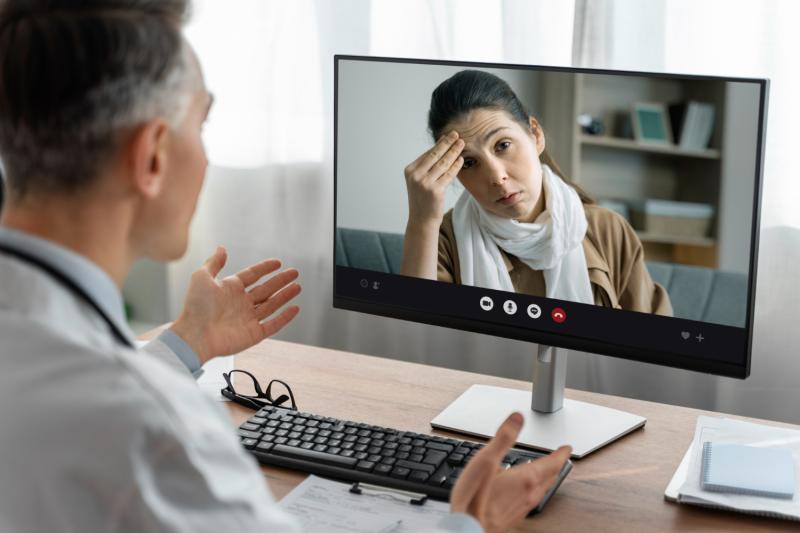
Telepsychiatry has rapidly grown into an essential part of mental health care, offering patients access to professional support from the comfort of home. It provides flexibility, accessibility, and continuity of care for individuals who might otherwise face barriers such as travel distance or limited availability of local specialists. Central to this model are nurse practitioners, who are licensed to assess, diagnose, and treat mental health conditions through virtual platforms. Many people today seek care from an Online Psychiatric Nurse Practitioner, who combines clinical expertise with the accessibility of telehealth, making treatment both practical and patient-centered.
The Expanding Role of Nurse Practitioners in Mental Health
Psychiatric nurse practitioners are advanced practice registered nurses with specialized education in psychiatric and mental health care. They hold master’s or doctoral degrees and are trained to provide therapy, prescribe medications, and manage complex treatment plans.
In telepsychiatry, their responsibilities extend beyond traditional office visits. They are often the first point of contact for patients, guiding them through both the emotional and medical aspects of treatment. This dual role makes them uniquely effective in bridging the gap between therapy and pharmacological care.
Why Telepsychiatry Matters
Increased Access to Care
Millions of people live in areas where mental health providers are scarce. Telepsychiatry eliminates geographic barriers by connecting patients to qualified professionals online.
Convenience for Busy Lives
Patients can attend appointments without taking time off work or arranging transportation. Virtual sessions also reduce wait times, making treatment more consistent and timely.
Privacy and Comfort
For many, speaking from home feels less intimidating than sitting in a clinic. This comfort often encourages patients to open up more freely, which strengthens the therapeutic relationship.
How Nurse Practitioners Support Patients Virtually
Comprehensive Assessment
An online psychiatric nurse practitioner begins with a detailed evaluation. This may include discussing symptoms, reviewing medical history, and exploring lifestyle factors that contribute to mental well-being.
Therapy and Counseling
In addition to prescribing medications, nurse practitioners are trained in therapeutic techniques. They may use methods such as cognitive behavioral therapy (CBT), supportive therapy, or mindfulness strategies to help patients build coping skills.
Medication Management
Medication can play a vital role in stabilizing mood disorders, anxiety, or other psychiatric conditions. Nurse practitioners monitor effectiveness, adjust dosages, and ensure patients are not experiencing unwanted side effects.
Ongoing Support
Telepsychiatry allows for frequent check-ins, ensuring that care plans remain effective and responsive to the patient’s changing needs.
Addressing Common Mental Health Needs
-
Anxiety Disorders: Nurse practitioners can recommend relaxation techniques, counseling, and—when necessary—prescribe medication to manage symptoms.
-
Depression: Combining talk therapy with antidepressant management provides a holistic approach.
-
Bipolar Disorder: Regular monitoring through telehealth ensures medication stability and emotional support.
-
ADHD: Patients benefit from behavioral strategies and careful medication supervision.
Patient Expectations in Telepsychiatry
When engaging in telehealth, patients often wonder what their sessions will feel like. Sessions with a nurse practitioner usually involve open conversation, treatment updates, and collaborative planning. The emphasis is on building trust and empowering patients to take an active role in their care. Understanding what it means when Consulting an Online Psychiatric Nurse helps patients enter treatment prepared for a collaborative and supportive process.
Collaboration and Continuity of Care
Telepsychiatry does not function in isolation. Nurse practitioners frequently work alongside therapists, psychologists, and primary care physicians. This collaborative approach ensures a comprehensive treatment plan, covering everything from medical concerns to emotional well-being.
Telepsychiatry and Specialized Populations
Children and Adolescents
Young people often face unique challenges when it comes to mental health. Nurse practitioners can deliver age-appropriate therapy and carefully manage medications, with active involvement from parents or guardians.
Adults with Busy Schedules
For professionals or caregivers, telepsychiatry provides much-needed flexibility. Sessions can be scheduled around work or family commitments without sacrificing quality of care.
Seniors
Older adults benefit from accessible care without the stress of travel. Telepsychiatry also allows providers to coordinate with family members to support treatment goals.
Serenity Telehealth and Accessible Mental Health Care
Providers like Serenity Telehealth demonstrate how technology and compassionate expertise can merge to create meaningful care. Through secure video platforms, nurse practitioners can extend their services to patients across different regions, making professional psychiatric support accessible and effective.
Advantages of Choosing a Nurse Practitioner in Telepsychiatry
-
Holistic Perspective: They blend medical knowledge with therapeutic skills.
-
Accessibility: Patients can access care without traditional barriers.
-
Personalized Treatment: Plans are tailored to individual needs, adjusting as progress is made.
-
Empathy and Support: Nurse practitioners often emphasize building a strong therapeutic relationship, which enhances outcomes.
Dispelling Myths About Telepsychiatry
-
Myth: Online care is less effective.
Reality: Studies show telepsychiatry outcomes are comparable to in-person treatment. -
Myth: Nurse practitioners only prescribe medication.
Reality: They also provide therapy, counseling, and holistic care. -
Myth: Virtual sessions lack privacy.
Reality: Reputable providers use HIPAA-compliant platforms to protect confidentiality.
The Future of Telepsychiatry
As technology continues to advance, nurse practitioners will play an even greater role in delivering care virtually. Integration of digital tools such as symptom-tracking apps, secure messaging, and AI-assisted assessments may enhance accessibility and efficiency without compromising the human connection at the heart of mental health treatment.
Conclusion
Nurse practitioners are at the forefront of telepsychiatry, combining therapy, medication management, and patient-centered care into one accessible model. Through secure online platforms, they provide high-quality treatment that fits modern lifestyles and addresses mental health challenges holistically. Whether for anxiety, depression, or long-term conditions, patients benefit from their expertise and empathetic support. Choosing an Online Psychiatric Nurse Practitioner ensures that mental health care is not only accessible but also comprehensive, effective, and tailored to individual needs.

Post Your Ad Here
Comments