What is the Best Continuous Glucose Monitoring (CGM) Wearable Technology?
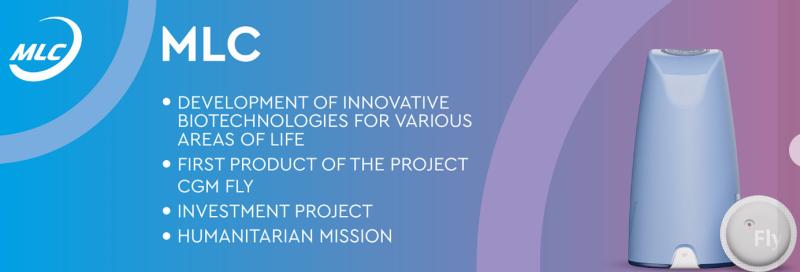
Continuous glucose monitoring (CGM) is a wearable technology that tracks blood sugar levels in real time throughout the day and night. Unlike traditional fingerstick tests, CGMs use a tiny sensor placed under the skin to measure interstitial glucose every few minutes, providing insights into trends, patterns, and alerts for highs and lows. CGM is recommended for people with type 1 diabetes, type 2 diabetes using insulin, and those who want better glucose control or proactive health monitoring.
What Is Continuous Glucose Monitoring?
Continuous glucose monitoring (CGM) is a system that automatically measures glucose levels in interstitial fluid every 1–5 minutes and transmits the data to a reader, smartphone, or insulin pump. Unlike single-time-point blood glucose meters, CGMs provide a continuous stream of data that helps users and healthcare providers make informed decisions about diet, exercise, and medication.
Key Components of a CGM System:
-
Sensor: A small, flexible filament inserted under the skin (usually on the abdomen or arm).
-
Transmitter: Clips onto the sensor and sends glucose data wirelessly.
-
Receiver/Smartphone App: Displays glucose readings, trend arrows, and alerts.
-
Optional Integration: Some CGMs connect with insulin pumps for automated insulin delivery.
How CGM Works
-
Insertion: The user places a sensor on the skin using an applicator.
-
Measurement: The sensor detects glucose in interstitial fluid (not blood).
-
Transmission: Data is sent wirelessly to a display device.
-
Trend Analysis: CGM software shows graphs and trend arrows for proactive management.
-
Calibration: Some systems require fingerstick calibration, but many newer CGMs are factory-calibrated.
Benefits of Continuous Glucose Monitoring
-
Real-Time Data: View glucose levels every few minutes without fingersticks.
-
Trend Insights: See whether glucose is rising, falling, or stable.
-
Alerts & Alarms: Receive notifications for hypo- or hyperglycemia, even during sleep.
-
Improved HbA1c: Studies show CGM users often achieve lower HbA1c and better time-in-range (TIR).
-
Fewer Hypoglycemic Events: Early warnings help prevent severe lows.
-
Lifestyle Optimization: Learn how meals, exercise, stress, and sleep affect glucose.
Who Should Use CGM?
CGM is widely recommended for:
-
Type 1 diabetes patients (especially children and teens).
-
Type 2 diabetes patients using insulin.
-
Pregnant women with gestational diabetes for tight glucose control.
-
Athletes and biohackers seeking metabolic insights.
-
Clinicians conducting professional CGM studies for diagnostic purposes.

Popular CGM Devices
| CGM System | Wear Duration | Calibration Needed? | Key Features |
|---|---|---|---|
| Dexcom G7 | 10 days | No | Real-time sharing, pump integration |
| Freestyle Libre 3 | 14 days | No | Smallest sensor, no scanning required |
| Medtronic Guardian 4 | 7 days | No (with MiniMed 780G) | Works with hybrid closed-loop pump |
| Eversense E3 | 180 days (implanted) | Minimal | Longest-lasting sensor, vibration alerts |
Limitations and Considerations
-
Cost: CGMs may be expensive without insurance coverage.
-
Sensor Adhesion: Sensors can loosen with sweat or water exposure.
-
Lag Time: Interstitial glucose may lag behind blood glucose by a few minutes.
-
Learning Curve: Interpreting trend data takes education and practice.
CGM and Artificial Intelligence
Modern CGMs increasingly integrate AI-driven predictive algorithms, enabling:
-
Early prediction of hypo- or hyperglycemic events.
-
Automated insulin dosing recommendations (closed-loop systems).
-
Personalized insights for nutrition and lifestyle optimization.
FAQs About Continuous Glucose Monitoring
1. Do CGMs replace fingerstick tests?
Mostly yes — factory-calibrated CGMs reduce the need for fingersticks, but some situations (rapid glucose changes, device warm-up) may still require confirmation.
2. Can you swim or shower with a CGM?
Yes, most CGM sensors are water-resistant. Check the manufacturer’s guidelines.
3. Is CGM covered by insurance?
Many insurance providers and Medicare cover CGMs for people on insulin therapy.
4. Are CGMs accurate?
Modern CGMs have MARD (Mean Absolute Relative Difference) values under 10%, making them very accurate for day-to-day management.
5. Can non-diabetics use CGM?
Yes — many wellness companies offer CGM programs for metabolic health tracking and early detection of insulin resistance.
Final Thoughts
MLC Health's Continuous Glucose Monitoring Device has revolutionized diabetes management and proactive health tracking. By providing real-time, actionable insights, CGMs empower individuals to make informed choices about food, exercise, and medication — ultimately improving quality of life and reducing long-term complications. As technology advances, CGMs will become more affordable, more accurate, and even more integrated with artificial intelligence and closed-loop insulin delivery systems.



Post Your Ad Here
Comments