Building Strong Foundations: The Business Behind Modern Construction Projects
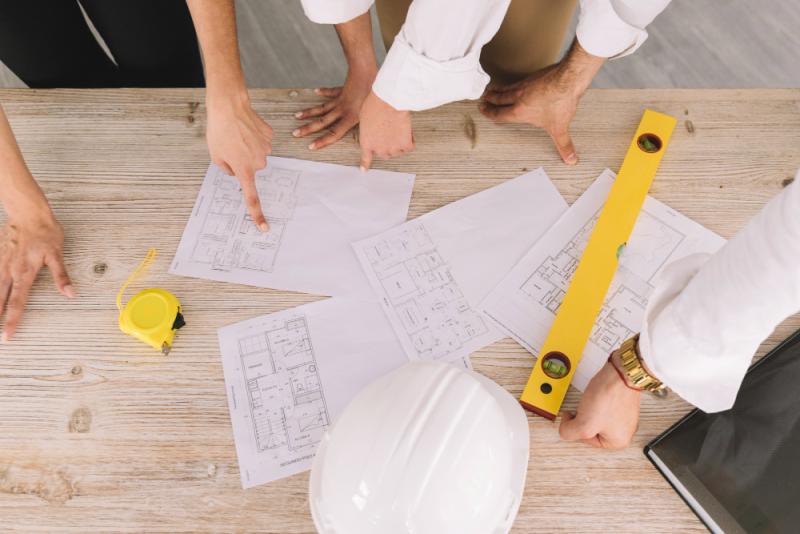
Every towering skyscraper, residential community, or public infrastructure project begins with more than just bricks and mortar—it begins with a carefully structured business model. Modern construction projects are complex ventures involving multiple stakeholders, cutting-edge technology, and high-value investments. Success relies not only on physical labor and design but also on precision planning, financial management, and specialized services that ensure projects run smoothly from blueprint to completion.
The Financial Backbone of Construction
At the heart of any construction project lies finance. Investors, developers, and contractors must work together to allocate funds effectively. From securing loans to managing budgets, financial oversight is crucial in avoiding cost overruns—a common challenge in the industry. The business of construction demands accurate forecasting, contingency planning, and timely reporting to maintain investor confidence. Without a solid financial foundation, even the most innovative project can falter.
The Importance of Planning and Risk Management
Construction is inherently risky, with potential obstacles ranging from material shortages to regulatory delays. Risk management strategies are therefore critical to business success. Companies implement detailed project management frameworks that outline timelines, allocate responsibilities, and identify possible setbacks. This approach helps minimize disruptions and ensures accountability across all teams involved. In many cases, external consultants are brought in to provide specialized insights and mitigate risks.
Specialized Services that Drive Success
Behind the visible aspects of construction are essential services that often go unnoticed but play a pivotal role in ensuring accuracy and efficiency. For example, surveying services provide the measurements and data needed to lay the groundwork correctly. A land surveyor in Sydney, for instance, may determine precise boundaries and elevations before any foundation is poured, ensuring compliance with local regulations and preventing costly disputes later on. These specialized roles are integral to the business of construction, linking technical precision with financial and legal security.
Embracing Technology for Growth
Technology has transformed the way construction businesses operate. Building Information Modeling (BIM), drones, and 3D scanning are no longer optional tools but essential assets that streamline operations. Digital models allow stakeholders to visualize projects before they’re built, reducing errors and improving collaboration between architects, engineers, and contractors. Many developers rely on services such as 3d survey in Sydney to capture precise site data, helping them integrate real-world conditions into their planning and design. Businesses that invest in advanced technology gain a competitive edge, as these tools save both time and money while enhancing overall project quality.
Collaboration Across Stakeholders
No modern construction project is a solo endeavor. Success depends on a network of stakeholders, including architects, contractors, engineers, suppliers, surveyors, and government bodies. Effective communication among these parties is vital to maintaining progress and ensuring compliance with legal requirements. Many companies now adopt collaborative project delivery models that emphasize shared responsibility and transparent communication. This approach fosters trust, accelerates decision-making, and reduces conflict throughout the project lifecycle.
Sustainability and the Business Advantage
Sustainability is no longer just a buzzword—it’s a business necessity in construction. With increasing pressure from governments, clients, and the public, companies must incorporate eco-friendly practices into their projects. This includes sourcing sustainable materials, reducing waste, and implementing energy-efficient designs. Businesses that prioritize sustainability not only comply with regulations but also enhance their reputation and appeal to environmentally conscious clients. Moreover, sustainable practices often result in long-term cost savings, making them both ethically and financially advantageous.
Legal and Regulatory Considerations
Navigating the legal landscape is another vital aspect of the construction business. From zoning laws to safety regulations, compliance ensures projects move forward without unnecessary setbacks. Legal experts, consultants, and surveyors often collaborate to confirm that every detail aligns with statutory requirements. Failing to address these considerations can result in costly penalties, delays, or even project cancellations. Therefore, businesses that take a proactive approach to regulatory compliance safeguard both their finances and their reputation.
Human Capital: The Workforce Behind the Business
Skilled labor remains the cornerstone of construction success. From on-site workers to project managers, the industry relies heavily on human capital. Recruitment, training, and retention of skilled professionals are therefore top priorities for construction companies. Businesses also face the challenge of adapting to changing workforce expectations, such as flexible schedules, safety assurances, and opportunities for career development. Investing in people ensures productivity and builds a culture of loyalty and efficiency.
The Role of Innovation in Competitive Advantage
In a highly competitive industry, innovation is key to standing out. Construction companies are continually exploring new materials, processes, and management strategies to deliver faster, safer, and more cost-effective projects. Innovations like modular construction, prefabricated materials, and smart technologies have revolutionized workflows, reducing timeframes without compromising quality. Businesses that adopt innovative solutions are better equipped to meet client demands and thrive in an increasingly demanding market.
Conclusion
The business behind modern construction projects extends far beyond what meets the eye. It is a multifaceted enterprise that integrates finance, technology, specialized services, sustainability, and human talent. Each project is a balancing act between risk management, legal compliance, and innovation. By embracing collaboration and precision at every stage, construction businesses can deliver projects that not only stand tall but also reflect the strength of the foundations upon which they were built.
Post Your Ad Here
Comments