When Your Pet Needs More Than General Care
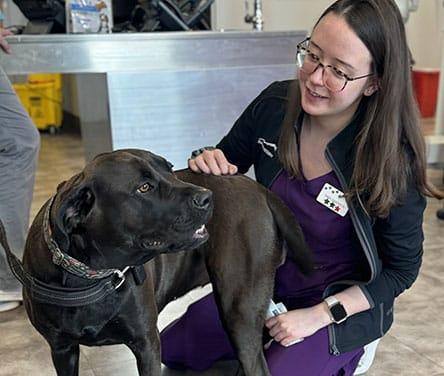
In this article, we’ll explore what it means when your pet requires more than general care, and the types of veterinary specialists available.
Our pets are family. We desire them to have long, healthy, and happy lives. A general veterinarian, the one you visit to have regular checkups and vaccinations, and to treat minor illnesses, can do a great job in most cases. Nevertheless, your pet may sometimes require specialized veterinary care that falls outside the realm of general practice. It is not only human medicine; in the case of animals, it is possible to rely on the experience of specialized professionals.
The Role of a General Veterinarian
The initial contact you usually have when it comes to any health concern of the pet is a general veterinarian. They provide basic checkups, vaccinations, spaying/neutering, parasite treatment, minor injury care, and treatment for common diseases, including skin infections and ear infections. General veterinarians are like primary care physicians to humans; they offer general knowledge in veterinary care. However, in case of complicated, chronic, and life-threatening diseases in your pet, a specialist vet might be required to conduct more specific diagnostics and therapy.
What Are Veterinary Specialists?
Emergency vet Warrenton VA is the veterinarian who has undergone extra training in a given field in medicine or surgery beyond the school of veterinarians. This contains internship, residence, and board certification exams. Their training enables them to deal with rare, sever,e or highly technical cases that the general vets might not be prepared to deal with.
Some examples include:
Veterinary Oncologists – Cancer diagnosis and treatment.
Veterinary Cardiologists – Heart and circulatory system diseases.
Veterinary Dermatologists – Complex skin conditions, allergies, and autoimmune disorders.
Veterinary Neurologists – Brain, spinal cord, and nervous system problems.
Veterinary Ophthalmologists – Eye diseases and vision care.
Veterinary Surgeons – Advanced surgical procedures, including orthopedic repairs.
Veterinary Internists – Chronic or complicated internal medicine conditions.
Veterinary Dentists – Specialized oral surgeries and dental diseases.
Signs Your Pet May Need More Than General Care
Recognizing when your pet needs specialized veterinary attention can be the difference between early intervention and worsening illness. Some signs to look out for include:
1. Persistent or Unresolved Symptoms
If your pet’s health problem doesn’t improve with standard treatments, it may require specialized care. For example, a skin infection that keeps returning despite medication might need a dermatologist’s expertise.
2. Complex or Rare Diseases
Conditions like cancer, heart murmurs, or seizures often require advanced diagnostics and treatment plans that a specialist can provide.
3. Advanced Surgery
If your pet breaks a bone, has a torn ligament, or requires tumor removal, a board-certified surgeon may be recommended for precision and safety.
4. Chronic Illness Management
General vets can manage diabetes, kidney failure, and autoimmune diseases, but sometimes a specialist’s deeper knowledge is necessary to tailor long-term care.
5. Vision or Hearing Loss
Eye diseases such as cataracts, glaucoma, or corneal ulcers may require the attention of an ophthalmologist to prevent permanent blindness.
6. Sudden Neurological Symptoms
Seizures, paralysis, or sudden disorientation are red flags that may need the expertise of a neurologist.
How to Access Specialized Care
When your general vet recommends seeing a veterinarian Manassas VA, here’s what usually happens:
Referral System – Your general vet refers you to a specialist, providing medical history and test results.
Specialist Consultation – The specialist evaluates your pet using advanced tools, such as MRI scans, ultrasounds, or specialized blood tests.
Treatment Plan – A customized care plan is designed, which may include surgery, advanced therapies, or long-term medication.
Teamwork – Often, your general vet and the specialist work together to provide ongoing care.
Benefits of Specialized Veterinary Care
Accurate Diagnosis – Specialists use advanced diagnostic tools that may not be available at general clinics.
Targeted Treatments – Care tailored to meet the needs of complex conditions.
Better Outcomes – Higher success rates for surgery, cancer treatment, or chronic illness management.
Collaboration – General vets and specialists work as a team to ensure your pet’s health.
Challenges Pet Owners May Face
While specialized care offers many benefits, pet owners should also be aware of potential challenges:
Cost – Specialist care is often more expensive due to the use of advanced equipment and specialized expertise.
Accessibility – Not every city has veterinary specialists, meaning travel may be required.
Emotional Stress – Knowing your pet has a serious condition can be overwhelming.
Being prepared for these factors helps you make informed choices when specialist care is necessary.
How to Decide If Specialized Care is Right for Your Pet
Here are a few steps to guide your decision:
Listen to Your Vet – Trust their judgment when they recommend a referral.
Research the Specialist – Check qualifications, certifications, and reviews.
Ask Questions – Understand the risks, costs, and expected outcomes.
Consider Your Pet’s Quality of Life – Sometimes advanced care prolongs life significantly, while in other cases, comfort may be the priority.
The Future of Specialized Veterinary Care
Veterinary medicine is advancing rapidly. Treatments such as stem cell therapy, minimally invasive surgery, telemedicine consultations, and personalized nutrition plans are becoming increasingly common. The future promises more accessible and effective specialized care for pets.
Supporting Your Pet Emotionally During Specialized Care
While advanced veterinary treatments focus on physical health, your pet’s emotional well-being also matters. Frequent clinic visits, surgeries, or new environments can cause stress. Providing comfort through familiar toys, gentle reassurance, and consistent routines can help your pet feel safe while undergoing specialized treatment.
Building a Strong Partnership With Your Veterinary Team
Specialized care works best when there’s open communication between you, your general vet, and the specialist. Asking questions, sharing updates about your pet’s behavior at home, and following treatment plans closely builds trust and ensures your pet receives the highest standard of care.
Specialized Veterinary Treatments
Veterinarian Fairfax VA often involves advanced diagnostics, surgeries, or long-term therapies that can be costly. Exploring options such as pet insurance, wellness plans, or setting aside an emergency fund helps you prepare for unexpected expenses and ensures your pet receives timely, necessary treatment without financial stress.
The Importance of Early Detection and Referral
Catching health problems early often reduces the need for invasive procedures and increases treatment success. Regular checkups with your general vet allow issues to be spotted sooner, and timely referrals to specialists can make a big difference in your pet’s recovery and long-term well-being.
Final Thoughts
Your general veterinarian plays a crucial role in your pet’s health, but there are times when more than general care is needed. Specialized veterinary medicine ensures that pets with complex, chronic, or life-threatening conditions receive the most effective treatment possible. By recognizing the signs early, seeking referrals, and staying informed, you can give your pet the best chance at a healthy and fulfilling life.
Post Your Ad Here
Comments