The Future of Mobility of Sodium-Ion Battery Cars
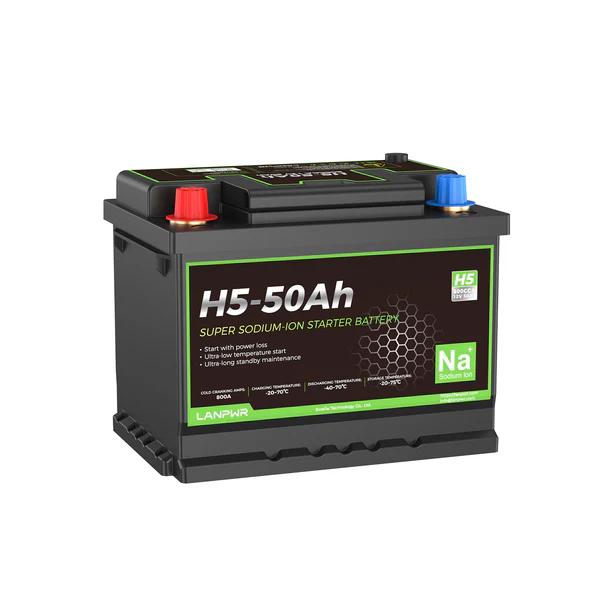
This article explores the concept of sodium-ion battery cars, examining how the technology works and its advantages over lithium-ion batteries.
Electric vehicles (EVs) have already become an integral part of the global shift toward sustainable transportation. Currently, the majority of EVs use lithium-ion batteries (LIBs), which is the most prevalent technology over the decades, due to their high energy density, long cycle life, and reduced cost. Nonetheless, the supply of lithium is vulnerable to shortages, its high price, the environmental effects of the mining process, and the threat of geopolitical supply chain disruptions to resources are compelling researchers and car manufacturers to look for other options. Another promising solution under consideration is the sodium-ion battery.
What Is Sodium-Ion Batteries?
Sodium ion battery car operates on the same fundamental principles as lithium-ion batteries. The technologies are premised on the movement of ions between the cathode and the anode through the use of charge and discharge processes of the electrolyte.
Lithium-ion batteries (LIBs): Work as charge carriers with lithium.
Sodium-ion batteries (SIBs): Take sodium ions that are heavier and bulkier but much more abundant than lithium.
The sixth most common element on Earth is sodium; it is abundant in salt mines and seawater, making it a highly convenient raw material.
Why Sodium-Ion Batteries for Cars?
The automotive sector requires environmentally friendly, safe, scalable, and inexpensive batteries. Na+ batteries are appealing as they satisfy a lot of these criteria:
- Abundance of Raw MaterialsLithium reserves are concentrated in a few countries, including Chile, Australia, and China, which leads to supply chain vulnerabilities. In contrast, sodium is globally abundant and inexpensive.
- Cost EfficiencySodium-ion batteries can potentially reduce EV battery costs significantly, as sodium and aluminum (used instead of copper in SIBs) are cheaper and more widely available than lithium and cobalt.
- Safety AdvantagesSIBs are less prone to thermal runaway and fire hazards compared to lithium-ion batteries, making them safer for vehicles.
- Environmental BenefitsThe extraction of lithium and cobalt is environmentally damaging, whereas sodium-based materials are easier to source and have a lower ecological footprint.
Key Advantages of Sodium-Ion Battery Cars
Low Cost of Production
Sodium is inexpensive and readily available.
No dependency on scarce metals like cobalt or nickel.
Aluminum can replace copper in electrodes, reducing costs further.
- Cold-Climate PerformanceSIBs perform better in low temperatures compared to LIBs, making them more suitable for colder regions where lithium-ion efficiency drops.
- Faster Charging CapabilitiesSodium ions can move more quickly in certain electrolyte compositions, allowing potentially faster charging times.
- Sustainability & RecyclingEasier recycling processes and lower environmental impact make sodium-ion batteries attractive for circular economy models.
Challenges Facing Sodium-Ion Battery Cars
Despite the promise, sodium-ion technology faces hurdles before it can fully compete with lithium-ion batteries in cars:
Lower Energy Density
Current battery lithium charger has an energy density of around 100–160 Wh/kg, whereas lithium-ion batteries can reach 250–300 Wh/kg.
This means SIB-powered cars may have shorter ranges unless compensated by larger battery packs.
- Weight ConcernsSodium is heavier than lithium, so SIBs generally require more volume and mass to store the same amount of energy.
- Early-Stage TechnologyWhile LIBs have benefited from decades of development, SIBs are still in the early stages of commercialization. Large-scale production, supply chains, and economies of scale are not yet established.
- Cycle Life & DurabilityAlthough improving rapidly, some sodium-ion batteries have shorter lifespans than advanced LIBs, which could limit their use in long-range EVs.
Potential Applications in the Automotive Industry
Sodium-ion batteries may not immediately replace lithium-ion batteries in all EVs, but they can play a complementary role in the transition to sustainable mobility:
- Entry-Level EVsAffordable city cars and short-range vehicles could benefit from sodium-ion batteries, providing low-cost mobility for emerging markets.
- Two-Wheelers and Micro-MobilityE-bikes, scooters, and rickshaws could effectively utilize sodium-ion batteries, given their lower range requirements.
- Hybrid Energy SystemsSodium-ion batteries could be used in conjunction with lithium-ion batteries in dual-battery systems, thereby optimizing performance and reducing costs.
- Commercial Fleets & Public TransportBuses, delivery vans, and short-haul logistics vehicles may adopt sodium-ion batteries where range is less critical, but cost and durability are key.
The Road Ahead for Sodium-Ion Battery Cars
Sodium-ion batteries are unlikely to replace lithium-ion batteries in the short term completely. Instead, they will coexist and complement LIBs in the EV ecosystem. Their biggest impact will likely be in affordable EVs for mass markets, where cost and safety are more important than maximum range.
As manufacturing scales up and research improves energy density, sodium-ion battery cars could become a game-changer, making EVs more accessible to millions worldwide. Governments and automakers that invest early in sodium-ion technology could gain a competitive edge in sustainable transportation.
Impact on Global EV Adoption
One of the biggest promises of lifepo4 battery lies in its ability to accelerate global EV adoption. In developing countries, high battery costs have been a barrier to entry. With sodium-ion batteries offering lower prices, safer operation, and better performance in extreme climates, they can enable millions of people to access electric mobility for the first time. This could significantly reduce dependence on fossil fuels, decrease urban air pollution, and help nations meet their climate goals more quickly.
Government Policies and Industry Support
The success of sodium-ion battery cars will depend not only on technology but also on supportive policies and industry collaborations. Governments that provide research funding, subsidies for alternative battery technologies, and incentives for EV buyers can accelerate the shift. Similarly, automakers partnering with battery startups and energy companies can help scale sodium-ion solutions. China, for instance, is already investing heavily in sodium-ion research and development, setting the stage for global competition and innovation.
Conclusion
Sodium-ion battery cars represent a bold new direction in the evolution of electric mobility. While still in their infancy, these batteries offer cost savings, safety benefits, and sustainability advantages over traditional lithium-ion systems. With the support of industry leaders like CATL, Faradion, and HiNa Battery, sodium-ion EVs are beginning to hit the roads, proving the technology’s viability.
The future of EVs may not belong to one single battery chemistry but to a diverse mix of technologies tailored to different applications. In that mix, sodium-ion battery cars are poised to play a vital role in democratizing clean, affordable, and safe transportation worldwide.
Post Your Ad Here
Comments