Property Management System: Enhancing Efficiency, Transparency, and Control in Real Estate and Hospitality
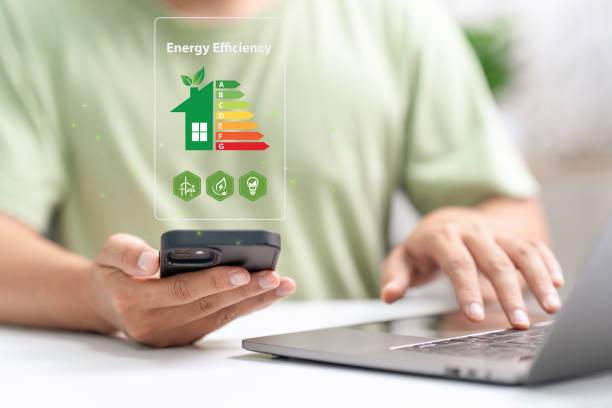
As urban development accelerates and customer expectations rise, the management of residential, commercial, and hospitality properties has become increasingly complex. Property owners, managers, and tenants alike now demand faster service, accurate billing, streamlined communication, and better access to property-related data. This shift has made digital transformation more than just a trend; it's a necessity. Enter the property management system, a technology solution designed to centralize and automate the many moving parts of property operations. With the right system in place, businesses can optimize resource use, eliminate human error, improve service delivery, and gain a competitive advantage in the market. From multi-unit residential complexes to boutique hotels, these systems are redefining how properties are managed and maintained.
What Is a Property Management System?
A property management system is a software solution that allows property managers to digitize, automate, and monitor the key processes involved in managing real estate or hospitality assets. These systems typically provide tools for lease tracking, rent collection, maintenance scheduling, vacancy management, reporting, and tenant or guest communication. Instead of relying on spreadsheets or manual records, property managers can operate through a single platform that offers real-time updates, centralized data storage, and seamless task coordination. This reduces administrative burden, improves accuracy, and speeds up daily workflows.
System Integration and Automation Benefits
Most modern property management systems can integrate with third-party applications such as accounting tools, online payment gateways, customer service software, and even smart building devices. For instance, integration with financial software allows managers to automatically generate invoices, record payments, and reconcile accounts without manual input. These integrations not only eliminate duplication of work but also ensure consistency across departments. Additionally, automation features such as recurring billing, automated notifications, and task reminders enhance productivity and minimize oversight. As a result, managers can spend more time on strategic planning and customer engagement rather than repetitive administrative tasks.
Key Benefits of Implementing a Property Management System
A property management system improves operational efficiency by centralizing tasks like rent collection, maintenance tracking, and contract management. With a dashboard overview of all property-related activities, managers can assign tasks, set deadlines, monitor progress, and handle emergencies with greater agility. For example, when a maintenance issue is reported, the system can automatically assign it to the appropriate staff, notify tenants of the update, and track the resolution in real time. This reduces downtime and enhances accountability among team members.
Improved Tenant and Guest Experience
Customer satisfaction plays a major role in property retention and brand reputation. A property management system contributes to better tenant and guest experiences by offering features such as online portals, mobile apps, and self-service tools. Tenants can view lease agreements, make payments, submit service requests, and receive important updates without visiting an office or making a phone call. Similarly, hotel guests can check in digitally, access room preferences, and provide feedback through the system. These conveniences foster loyalty, reduce friction, and elevate the overall user experience.
Real-Time Data Access and Reporting
With built-in analytics and reporting tools, a property management system provides valuable insights into occupancy trends, revenue generation, maintenance expenses, and more. This data enables managers to make informed decisions about pricing strategies, marketing efforts, and capital improvements. For example, identifying a recurring issue with plumbing in a specific building could trigger a long-term infrastructure investment, while noticing consistent low occupancy in a particular unit could inform changes to advertising strategies. Real-time reporting also allows owners and stakeholders to track financial performance and operational KPIs at a glance.
Scalability and Customization
A good property management system grows with your portfolio. Whether you're managing a single building or hundreds of units across multiple locations, the software can be customized to meet the unique needs of your operations. Users can define roles and permissions, set alerts for critical tasks, and adjust workflows based on specific business rules. This scalability makes it suitable for independent landlords, real estate agencies, and large-scale property developers alike. The ability to personalize features ensures that the system fits into existing business processes rather than forcing organizations to adapt.
Challenges to Consider When Adopting a Property Management System
While a property management system can lead to long-term cost savings, the initial investment can be significant, particularly for premium platforms with advanced features. Smaller property owners or startups may be concerned about licensing fees, implementation costs, and training time. Furthermore, the learning curve associated with adopting new software can lead to temporary disruption if not properly managed. This makes it important to choose a provider that offers intuitive user interfaces, responsive support, and detailed onboarding guides.
Security and Compliance Requirements
Handling sensitive data like personal identification, bank details, lease documents, and access logs requires a high level of security. A property management system must comply with data protection laws such as GDPR or relevant local regulations. Security features like encryption, two-factor authentication, and access logs are critical to maintaining trust and ensuring compliance. Managers should also ensure that the software provider regularly updates the system to patch vulnerabilities and maintain regulatory alignment.
Trends Shaping the Future of Property Management Systems
Cloud and Mobile Technology
The shift toward cloud-based property management systems is enabling remote access, mobile updates, and more flexible collaboration among teams. Property managers no longer need to be onsite to approve payments, update records, or respond to tenants. Cloud solutions also offer automatic backups, improved uptime, and lower infrastructure costs. As more companies embrace hybrid or mobile work environments, cloud and mobile capabilities are becoming essential features of any competitive system.
Artificial Intelligence and Predictive Tools
Artificial intelligence is being integrated into property management systems to automate customer service, forecast trends, and identify operational inefficiencies. AI-driven chatbots can handle common inquiries, schedule viewings, and escalate complex issues to human agents. Predictive maintenance tools can alert managers to equipment failures before they happen, reducing downtime and costly repairs. These technologies are not only making operations more proactive but also helping managers deliver smarter, data-driven experiences to tenants and guests.
FAQs
What is a property management system?
A property management system is software that centralizes and automates operations like leasing, billing, maintenance, and tenant communication for real estate and hospitality businesses.
Who can benefit from using a property management system?
Property managers, landlords, hotel operators, and real estate developers of all sizes can benefit from using the system to streamline operations and improve service delivery.
Does a property management system replace property managers?
No, it supports their work by automating routine tasks and improving visibility but still requires human decision-making, customer interaction, and oversight.
Is a property management system secure?
Yes, most reputable platforms include encryption, access controls, and compliance with data protection regulations to safeguard sensitive information.
How do I choose the right property management system?
Consider your portfolio size, required features, budget, scalability needs, and integration options. Also, review the provider’s customer support and training offerings before committing.
Conclusion
A property management system is no longer a luxury reserved for large firms; it is a strategic necessity for any property manager seeking efficiency, transparency, and growth. From automating payments and maintenance to enhancing tenant communication and data analysis, the benefits extend across every aspect of operations. While adoption may require an upfront investment of time and resources, the long-term gains in productivity, customer satisfaction, and scalability make it worthwhile. In an industry where time, precision, and responsiveness are critical, a well-implemented property management system is the cornerstone of success. As technology continues to reshape real estate and hospitality, choosing to adopt such a system today ensures you're equipped for the challenges and opportunities of tomorrow.
Author Bio
Written by James K., a digital infrastructure and automation specialist at PayServe. With deep expertise in streamlining operations through smart utility and property technologies, James supports businesses in adopting scalable, efficient systems. Visit PayServe to learn more about how modern digital tools can elevate your property management strategy.
Post Your Ad Here
Comments