The Art and Strategy of Restaurant Menu Card Design: A Complete Guide
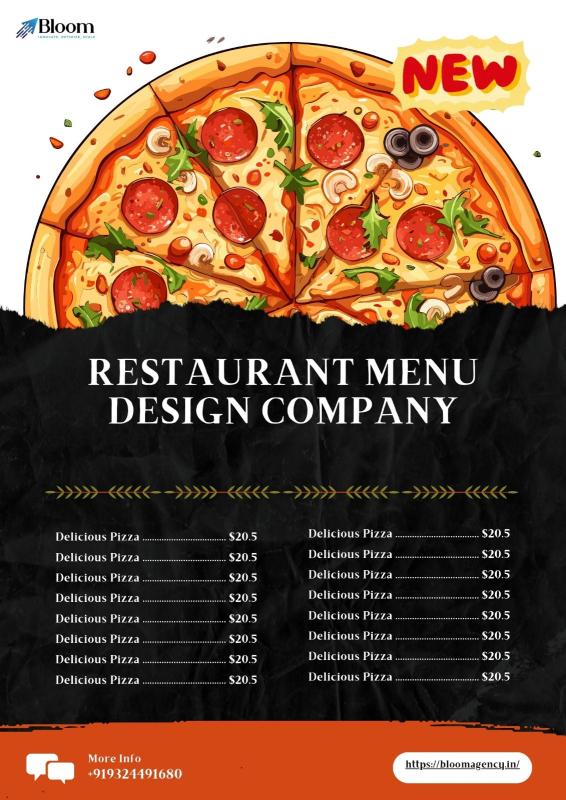
The Art and Strategy of Restaurant Menu Card Design: A Complete Guide
In the highly competitive world of hospitality, the menu card is far more than a list of dishes—it is a powerful tool for branding, customer experience, and sales. Whether it's a fine-dining restaurant, a casual café, or a luxurious hotel restaurant, menu card design plays a critical role in shaping how guests perceive your business.
With growing customer expectations and rising competition, investing in thoughtful and strategic restaurant menu design is no longer optional—it’s essential.
What Is a Restaurant Menu Card?
A restaurant menu card is a printed or digital document that lists the food and beverages available for purchase at a restaurant, café, or hotel. It typically includes:
-
Dish names
-
Descriptions
-
Pricing
-
Food categories (e.g., appetizers, mains, desserts)
-
Optional extras like nutritional info, allergen warnings, or pairing suggestions
But a great menu card is much more than this. It's a marketing tool, a branding asset, and a psychological influencer.
Why Menu Card Design Matters
1. First Impressions
Often, the menu is one of the first interactions a customer has with your brand. A beautifully designed menu sets the tone for the experience, whether it’s upscale, rustic, modern, or casual.
2. Drives Sales
Smart design techniques—like highlighting signature dishes or using visual hierarchy—can boost high-margin items and increase the average spend per customer.
3. Improves User Experience
A well-organized and easy-to-read menu makes ordering easier, faster, and more enjoyable for guests.
4. Branding Consistency
A cohesive design that reflects your restaurant’s logo, colors, and theme creates a stronger brand identity and builds trust.
Types of Menu Cards
Printed Menu Cards
The traditional format used in most sit-down restaurants and hotels. Variants include:
-
Single-page menus
-
Folded menus (bi-fold or tri-fold)
-
Booklet-style menus
-
Placemats or table menus
Digital Menus (QR Code Menus)
Post-COVID, many restaurants adopted contactless menus accessible via QR codes. These can be updated easily and are more hygienic and cost-effective over time.
Interactive Touchscreen Menus
Used in modern cafes or fast-food joints, allowing customers to browse and place orders digitally.
Specialty Menus
-
Wine & bar menus
-
Room service menus (for hotels)
-
Seasonal or festive menus
-
Buffet tags and table tents
Key Elements of Menu Design
When designing a restaurant or hotel menu card, several elements must work together to create a compelling and effective menu:
1. Layout and Organization
Structure the menu logically:
-
Starters
-
Mains
-
Desserts
-
Beverages
Use sections and sub-headings. A disorganized layout can confuse and overwhelm customers.
2. Typography
Choose fonts that reflect your restaurant’s vibe—elegant serif fonts for fine dining, bold sans-serif for casual eateries. Use:
-
Clear headings
-
Readable font size (minimum 12–14 pt)
-
Consistent styles for categories and prices
3. Colors
Color psychology plays a role. Red and yellow stimulate appetite, while blue can suppress it. Ensure color schemes align with your brand and are easy to read (high contrast between text and background).
4. Imagery
Use high-quality images sparingly. For high-end restaurants, too many pictures can cheapen the feel. For casual or fast food, attractive visuals boost appetite and decision-making.
5. Descriptions
Effective dish descriptions entice customers. Use sensory words like "succulent", "crispy", "buttery", or "char-grilled". Describe ingredients and preparation without being too verbose.
6. Pricing
Avoid cluttered price listings. Align prices to the right for easy scanning or integrate them into descriptions subtly. Avoid using currency signs (₹, $, €) in upscale settings—it makes people less price-sensitive.
Restaurant Menu Design Psychology
Top restaurant chains and chefs use menu engineering to drive profits. Some techniques include:
Golden Triangle
Customers typically read the menu in a pattern shaped like a triangle—starting in the middle, then moving top-right and top-left. Place your high-margin or signature dishes in these areas.
Price Anchoring
Show a premium-priced item near more affordable options to make the latter seem like a better deal.
Highlight Boxes
Use boxes or icons to draw attention to bestsellers or chef recommendations.
Limit Choices
The paradox of choice is real. Keep menus concise—ideally 7–10 items per category—to avoid overwhelming guests.
Hotel Menu Card Design Considerations
Hotel restaurants cater to a broader audience, including international travelers and business guests. Here are unique considerations for hotel menu card design:
-
Multilingual options: Use symbols or alternate languages
-
Room service-friendly formats: Compact, easy to store in drawers or bedside tables
-
All-day dining menus: Combine breakfast, lunch, and dinner menus into one cohesive document
-
Integration with hotel branding: Ensure consistency with other hotel materials (key cards, brochures, etc.)
-
Local and global mix: Blend regional dishes with international cuisine to appeal to a wider audience
Menu Card Design Trends (2025)
1. Minimalist Layouts
Clean, simple, clutter-free menus focusing on typography and white space.
2. QR Code Integration
Even printed menus now feature QR codes that link to digital versions, loyalty apps, or chef videos.
3. Illustrated Menus
Hand-drawn or digitally illustrated menus add charm and authenticity, especially for boutique cafes.
4. Sustainable Materials
Eco-conscious restaurants use recycled paper, reusable hardcovers, or digital-only menus.
5. Personalization
Dynamic menus that change with the season, time of day, or customer behavior (via apps and tablets).
Best Practices for Designing a Restaurant or Hotel Menu Card
-
Work with a professional designer – It’s an investment in your brand.
-
Test before printing – Ask staff and customers for feedback on usability.
-
Proofread everything – Typos and pricing errors can damage credibility.
-
Ensure accessibility – Use legible fonts and color contrast for elderly or visually impaired guests.
-
Keep it updated – Remove discontinued items and reflect seasonal changes.
-
Use branding consistently – Your logo, colors, and tone of voice should appear throughout.
Cost of Menu Card Design in India
| Type of Service | Estimated Cost (INR) |
|---|---|
| Basic printed menu design | ₹2,000 – ₹5,000 |
| Premium custom design (with illustrations/photos) | ₹8,000 – ₹15,000 |
| QR/digital menu design | ₹4,000 – ₹10,000 |
| Printing cost (per 100 units) | ₹1,000 – ₹5,000 |
| Menu redesign/update | ₹1,000 – ₹3,000 |
? Prices may vary based on location, complexity, and agency experience.
Tips for DIY Menu Card Design
If you're designing your own menu using tools like Canva, Adobe Express, or Figma, keep in mind:
-
Use templates made for restaurants
-
Stick to your color palette and fonts
-
Compress image sizes for digital menus to speed up load times
-
Save as print-ready PDFs with bleed margins if printing
Conclusion
A restaurant or hotel’s menu card design is more than a functional necessity—it is a reflection of the brand, the quality of food, and the type of experience a customer can expect. From enticing visuals and structured layouts to pricing strategy and digital accessibility, every detail matters.
Whether you're running a boutique café, a family-run dhaba, a cloud kitchen, or a five-star hotel restaurant, investing in professional menu card design can elevate your guest experience and drive your bottom line.
Looking for Menu Card Design Services?
If you're planning to upgrade your restaurant or hotel menu, consider working with a creative agency or professional designer who understands both hospitality branding and user experience.
A great menu isn't just read—it’s remembered.
Post Your Ad Here
Comments