Understanding Central Air Conditioning: A Complete Guide
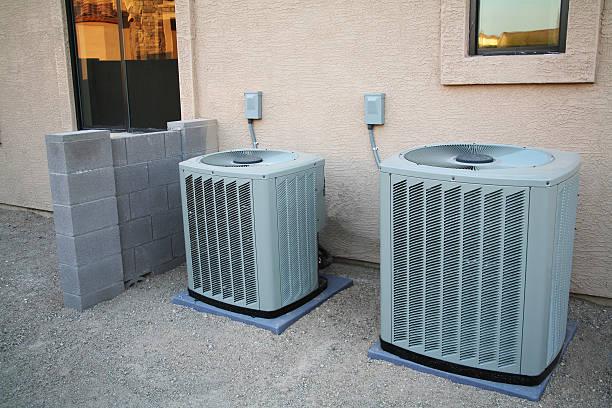
Central air conditioning is one of the most popular cooling systems used in homes, offices, and commercial buildings. It provides consistent and even cooling across all rooms by distributing chilled air through a network of ducts. This system not only offers superior comfort but also helps maintain indoor air quality by filtering dust, allergens, and other airborne particles. Unlike window units or portable systems, central air conditioning ensures a seamless cooling experience with minimal noise and better energy efficiency when properly maintained.
How Central Air Conditioning Works
The process begins with the thermostat, which detects indoor temperature and signals the air conditioner to start cooling. The system uses a refrigerant to absorb heat from indoor air and release it outside through the condenser unit. The cooled air is then distributed back into the building through ducts and vents. A typical setup includes an evaporator coil, condenser, compressor, and blower fan, all working in unison. This design makes central air conditioning highly effective for large spaces where uniform cooling is needed.
Benefits of Central Air Conditioning
One of the main benefits of central air conditioning is whole-house cooling. It eliminates the need for multiple individual units, making it more cost-effective in the long run. It also improves indoor air quality by continuously circulating air through filters that capture dust, pollen, and other contaminants. Central systems can be integrated with heating systems to provide year-round climate control. Additionally, modern units are designed with energy efficiency in mind, helping reduce electricity bills while minimizing environmental impact.
Factors to Consider Before Installing Central Air Conditioning
Before investing in central air conditioning, it’s important to consider factors such as home size, insulation quality, ductwork condition, and energy efficiency ratings. A professional HVAC technician can perform a load calculation to determine the right system capacity for your home. Oversized units may cool the space quickly but fail to remove humidity, while undersized units may struggle to keep up with cooling demands. Proper installation and maintenance are crucial for long-term performance.
Maintenance Tips for Optimal Performance
Regular maintenance is essential to keep your central air conditioning system running efficiently. This includes replacing or cleaning air filters every 1–3 months, inspecting and cleaning condenser coils, checking refrigerant levels, and ensuring ductwork is free from leaks. Scheduling annual professional inspections can help detect potential issues early, preventing costly repairs and ensuring your system operates at peak efficiency.
Energy-Saving Tips
To maximize efficiency, set your thermostat to a comfortable but not excessively low temperature, use programmable thermostats, and ensure windows and doors are well-sealed to prevent cool air from escaping. Installing ceiling fans can also help distribute cooled air more effectively, reducing the system’s workload.
Common Issues and Troubleshooting
Central air conditioning systems may face common issues such as reduced cooling performance, unusual noises, refrigerant leaks, or short cycling. If the system isn’t cooling properly, check the thermostat settings, replace the air filter, and inspect the outdoor unit for debris. Persistent issues should be addressed by a certified HVAC technician to avoid further damage.
Choosing the Right System for Your Needs
When selecting a central air conditioning system, look for models with high SEER (Seasonal Energy Efficiency Ratio) ratings, quiet operation, and features like variable-speed fans for improved comfort and efficiency. Consider brands with a proven track record of reliability, customer support, and energy-efficient technology.
Conclusion
Central air conditioning is an excellent investment for long-term comfort, energy efficiency, and improved indoor air quality. By selecting the right system, ensuring proper installation, and following regular maintenance practices, you can enjoy consistent cooling for many years. For high-quality systems and expert advice, trust global blue star for innovative solutions tailored to your needs.
FAQs
What is the lifespan of a central air conditioning system?
With proper maintenance, most central air conditioning systems last between 12 to 15 years. High-quality models and regular servicing can extend their lifespan even further.
How often should I service my central air conditioning?
It’s recommended to have your system professionally serviced at least once a year, ideally before the cooling season begins.
Can central air conditioning improve indoor air quality?
Yes. By filtering dust, pollen, and other particles, central systems can significantly enhance indoor air quality, especially when equipped with high-efficiency filters.
Is it possible to install central air conditioning in an older home?
Yes, but it may require additional work to install ductwork if the home doesn’t already have it. In such cases, ductless mini-split systems may be an alternative.
How can I reduce the energy costs of central air conditioning?
Use a programmable thermostat, maintain your system regularly, seal air leaks, and set your thermostat to a moderate temperature.
Author Bio:
Written by Adeel Khan, an HVAC solutions writer with expertise in global blue star products and technologies. Adeel provides in-depth insights on cooling systems to help homeowners make informed decisions. Visit the website to learn more about innovative air conditioning solutions and expert advice.
Post Your Ad Here
Comments