What Makes a Perfume Brand Feel Truly Luxurious
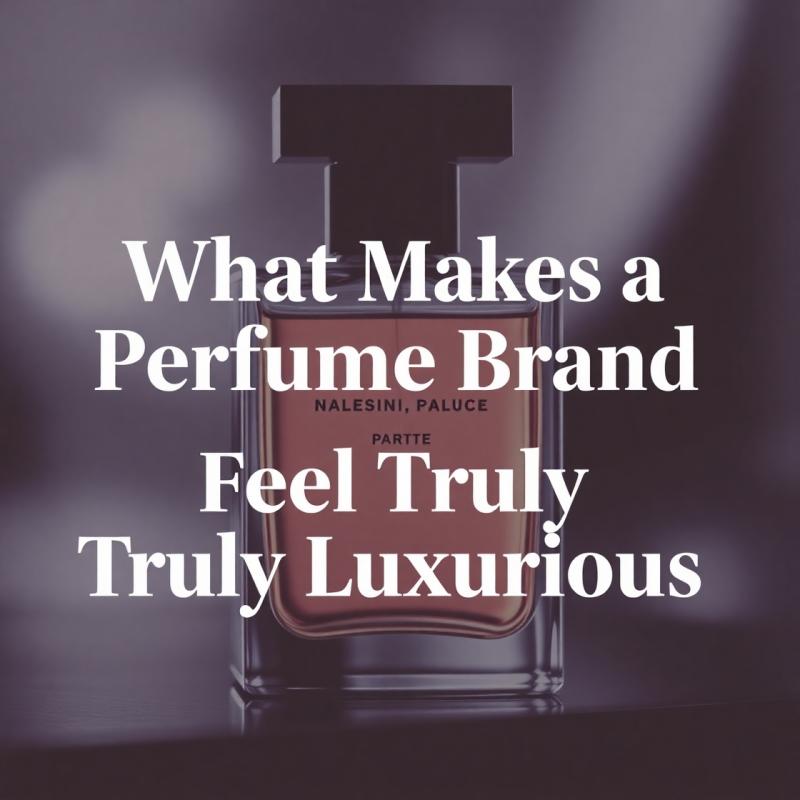
Luxury is not just a price point; it’s an experience. In the world of perfumes, a truly luxurious brand evokes emotions, tells a story, and leaves a lasting impression long before a scent touches the skin. While high-end fragrances are often associated with designer labels and exclusivity, the essence of luxury in perfumery is built on much more than reputation alone. From ingredients to packaging and brand storytelling, every element contributes to the perception of prestige and sophistication.
The Art of Crafting Luxury Perfumes
Creating a luxurious perfume begins with the art of fragrance formulation. High-end fragrances often feature rare and meticulously sourced ingredients that set them apart from mass-market scents. Ingredients such as oud, ambergris, and jasmine absolute are not only expensive but also carry historical and cultural significance. The skill of blending these materials is crucial; a master perfumer, or “nose,” carefully balances top, middle, and base notes to create depth, complexity, and a signature identity.
Luxury perfumes are designed to evolve over time on the skin. The experience is dynamic, allowing the wearer to discover different layers as the scent develops. This multi-dimensional quality is a hallmark of high-end fragrances and contributes significantly to their perception of refinement.
The Role of Brand Identity in Perceived Luxury
A perfume brand’s identity plays a major role in how it is perceived. Luxury is often communicated through subtle cues rather than overt claims. Factors such as a brand’s heritage, philosophy, and even its marketing approach shape consumer perception. For instance, a brand that emphasizes artisanal craftsmanship, heritage, and exclusivity signals sophistication and care, which enhances its luxurious image.
Luxury fragrance brands often rely on storytelling to connect emotionally with consumers. Whether it’s a tale of exotic travels, a secret botanical discovery, or inspiration drawn from art and literature, these narratives make the scent more than just a fragrance—they make it a personal journey. This emotional resonance is key to building loyalty and elevating the brand beyond the product itself.
Packaging: The Silent Ambassador of Luxury
While scent is central, packaging plays an equally crucial role in establishing a perfume’s luxury status. A perfume bottle is not just a container; it is a statement of identity and craftsmanship. Brands invest in high-quality materials, innovative designs, and intricate details such as embossed logos, metallic finishes, and custom shapes.
Even the unboxing experience matters. Consumers who purchase high-end fragrances expect a sensory journey from the moment they lay eyes on the box. This is where elements like custom perfume packaging boxes make a remarkable difference. By using elegant, tailored packaging with attention to texture, color, and structure, brands create a tactile connection that reinforces the sense of exclusivity and indulgence. Luxury packaging often includes unique inserts, magnetic closures, or velvet-lined compartments, making the experience memorable and shareable.
Exclusivity and Limited Editions
Exclusivity is a cornerstone of luxury perception. Many high-end perfume brands offer limited editions or bespoke services that create a sense of rarity. Limited availability ensures that owning the fragrance is an exclusive experience rather than a mass-market commodity.
Brands often release seasonal or collector’s edition scents that carry unique notes or artistic collaborations. Such offerings not only elevate brand status but also appeal to discerning collectors who value individuality and prestige. The allure of exclusivity is powerful; it transforms a perfume from a simple product into a statement of personal identity and taste.
Sensory and Experiential Marketing
Luxury in the perfume industry extends beyond product design; it encompasses the entire sensory experience. Upscale fragrance boutiques focus on immersive experiences where the scent is just one element of a carefully curated environment. Lighting, textures, music, and scent layering in stores all contribute to the perception of sophistication.
Experiential marketing also translates to events, fragrance masterclasses, and personalized consultations. High-end brands invest in creating intimate moments where customers feel valued and engaged. Such interactions foster trust, reinforce the brand’s prestige, and enhance the emotional connection between the consumer and the perfume.
Crafting a Signature Scent
A hallmark of luxury fragrance brands is their ability to craft a signature scent that is instantly recognizable. Signature fragrances become a part of the wearer’s identity, often associated with elegance, power, or romance. The creation of such scents requires innovation, mastery of complex formulas, and a deep understanding of olfactory psychology.
Luxury perfume brands often conduct extensive research to understand how different notes interact with skin chemistry, climate, and lifestyle. This attention to detail ensures that the fragrance is consistent yet unique, providing a personal and memorable experience for each customer.
Influence of Designer Reputation and Brand Heritage
The reputation of the brand itself cannot be overlooked. Luxury consumers often look for credibility, craftsmanship, and a proven legacy. Iconic perfume houses with decades or centuries of heritage carry authority and trust, which elevates perceived value. Designer names and historical significance signal reliability, quality, and sophistication.
Heritage brands often emphasize their artisanal techniques, family traditions, or regional sourcing to reinforce authenticity. These narratives resonate with consumers seeking not just a fragrance but an investment in cultural and aesthetic capital.
Attention to Detail in Every Touchpoint
True luxury is defined by attention to detail at every customer touchpoint. From the quality of the paper in a brochure to the precision of the bottle’s cap, each element contributes to a holistic perception of sophistication. Even subtle aspects such as scent-testing strips, embossed logos, or hand-applied finishes communicate care and craftsmanship.
Luxury consumers are highly discerning; they notice inconsistencies or shortcuts. Brands that maintain excellence across all touchpoints—online presence, packaging, in-store experience, and customer service—solidify their premium status and cultivate loyalty among high-value clients.
Pricing and Psychological Perception
While luxury is not defined solely by price, pricing strategies influence perception. Premium pricing can signal quality, exclusivity, and status, but it must align with tangible value. Consumers are willing to pay more when the experience, packaging, and story justify the cost.
Psychological pricing strategies, including tiered offerings, limited editions, and bespoke services, reinforce the notion of scarcity and indulgence. When executed correctly, price becomes an element of the luxury experience rather than a barrier.
Sustainability and Ethical Practices
Increasingly, consumers associate luxury with responsibility. High-end fragrance brands that emphasize sustainable sourcing, cruelty-free testing, and ethical production practices appeal to conscious luxury buyers. Transparency in ingredient sourcing and environmental stewardship strengthens brand credibility and differentiates it from competitors.
Incorporating eco-conscious practices does not compromise luxury; rather, it elevates the brand by demonstrating thoughtfulness, responsibility, and modern sophistication. This alignment with values contributes to emotional resonance and long-term loyalty.
Summary of Core Elements in Luxury Perfumes
Although perfume luxury can be subjective, several consistent factors contribute to a brand feeling truly high-end:
l Exquisite ingredients sourced for rarity and quality.
l Masterful fragrance composition with evolving complexity.
l Compelling brand narrative and heritage storytelling.
l Bespoke and tactile packaging, including the use of custom perfume packaging boxes.
l Exclusive and limited-edition offerings.
l Immersive sensory experiences in marketing and retail.
l Attention to detail in every customer interaction.
l Pricing strategies that reinforce value and exclusivity.
l Sustainability and ethical practices that align with modern luxury expectations.
Conclusion
A truly luxurious perfume brand is defined not just by its scent but by the comprehensive experience it offers. Every facet, from rare ingredients and expert craftsmanship to captivating storytelling and bespoke packaging, contributes to the perception of elegance, sophistication, and exclusivity. By understanding and implementing these elements, perfume brands can transcend mere products to create memorable experiences that resonate deeply with discerning consumers.
In the competitive landscape of high-end fragrances, luxury is a carefully curated narrative. It is an art form, a sensory journey, and a statement of identity—both for the brand and the consumer. For perfume brands aiming to elevate their market presence, investing in every detail, from the composition of the scent to the quality of custom perfume packaging boxes, ensures a lasting impression of opulence, distinction, and refinement.
Post Your Ad Here
Comments