Indian Transformer Powering the Nations Growth
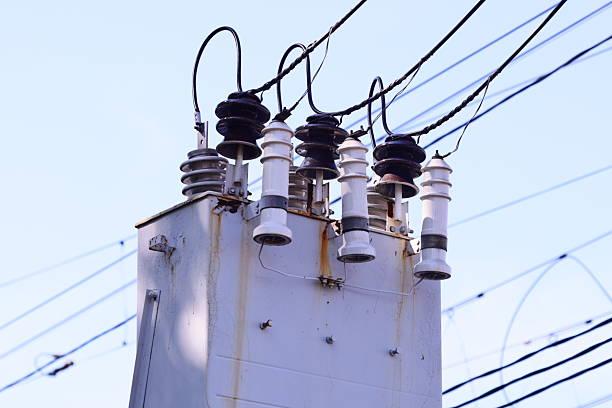
Transformers are the backbone of modern electrical infrastructure, ensuring that electricity is transmitted efficiently and safely from power stations to homes, industries, and businesses. The Indian transformer industry plays a crucial role in meeting the nation’s growing energy demands, supporting economic development, and enabling technological advancements. With increasing urbanization, industrial growth, and the push towards renewable energy, the demand for reliable transformers in India has never been higher.
Understanding the Role of Indian Transformers
An Indian transformer is an essential component in the electrical grid, designed to transfer electrical energy between two or more circuits through electromagnetic induction. These devices either step up voltage for efficient long-distance transmission or step it down for safe distribution to end users. In India, transformers cater to diverse sectors, including power generation, manufacturing, transport, renewable energy, and rural electrification projects.
India’s electrical grid operates on a vast scale, requiring a variety of transformers such as power transformers, distribution transformers, instrument transformers, and special-purpose transformers. Local manufacturing units are equipped with advanced technology to produce energy-efficient designs that reduce losses and meet both domestic and export demands.
Growth of the Transformer Industry in India
The Indian transformer market has witnessed substantial growth over the past decade due to the expansion of infrastructure, government electrification programs, and the adoption of smart grid technologies. Government initiatives like the Deen Dayal Upadhyaya Gram Jyoti Yojana (DDUGJY) and Integrated Power Development Scheme (IPDS) have accelerated transformer installations in rural and semi-urban areas.
Additionally, the renewable energy sector, particularly solar and wind power, has boosted the need for grid integration transformers. These projects require high-efficiency, durable units that can handle fluctuating power loads. Indian transformer manufacturers have responded by incorporating innovations like amorphous core technology and eco-friendly insulating fluids.
Types of Indian Transformers
Power Transformers
These large-scale transformers are used in transmission networks to step up or step down voltage between power plants and distribution networks. They are designed to handle high voltages and heavy loads, ensuring efficient energy transfer over long distances.
Distribution Transformers
Distribution transformers reduce voltage levels to meet the requirements of residential, commercial, and industrial facilities. In India, these are widely used across urban, rural, and industrial areas.
Instrument Transformers
These include current transformers (CT) and potential transformers (PT), which provide safe and accurate measurements for monitoring and protection systems.
Special-Purpose Transformers
Special designs like furnace transformers, rectifier transformers, and traction transformers cater to industrial processes and railway electrification.
Technological Advancements in Indian Transformers
In recent years, Indian transformer manufacturers have embraced modern technologies to enhance performance, safety, and sustainability. Key advancements include:
Smart transformers for integration into smart grids, enabling remote monitoring and fault detection.
Eco-friendly insulating oils like natural esters, which are biodegradable and have better fire safety properties than mineral oils.
Low-loss core materials such as amorphous steel, reducing energy wastage.
Compact designs for urban installations where space is limited.
These innovations not only improve efficiency but also align with India’s commitment to reducing carbon emissions.
Challenges Faced by the Industry
While the Indian transformer sector is growing, it faces certain challenges:
Raw material price fluctuations, especially for copper and steel.
Counterfeit products that fail to meet safety and efficiency standards.
Maintenance issues in remote areas due to lack of skilled manpower.
Environmental concerns related to insulating oil disposal and energy losses.
Addressing these challenges requires coordinated efforts from manufacturers, government agencies, and utility companies to ensure consistent quality and sustainable practices.
Choosing the Right Indian Transformer
Selecting the right transformer involves considering capacity, efficiency, installation location, and maintenance requirements. Buyers should opt for trusted Indian transformer brands that comply with BIS standards, ISO certifications, and energy efficiency norms. Investing in quality equipment ensures longer lifespan, reduced operational costs, and improved reliability.
Future Outlook of the Indian Transformer Market
The Indian transformer market is poised for robust growth in the coming years, driven by urban expansion, industrialization, and renewable energy integration. Digitalization, AI-based monitoring, and IoT-enabled smart transformers will redefine efficiency and operational safety. Additionally, the government’s focus on Make in India will strengthen domestic manufacturing capabilities, reduce dependence on imports, and promote exports.
FAQs
What is the role of an Indian transformer in the power system?
An Indian transformer transfers electrical energy between circuits by adjusting voltage levels, ensuring efficient power transmission and safe distribution to consumers.
Which sectors use Indian transformers the most?
Sectors like power generation, manufacturing, railways, renewable energy, and rural electrification are the largest users of Indian transformers.
How can I ensure the quality of a transformer?
Look for BIS certification, ISO compliance, and products from reputed Indian transformer manufacturers with a track record of delivering efficient, durable units.
Are Indian transformers suitable for renewable energy projects?
Yes, many Indian transformer manufacturers produce units designed for solar and wind projects, capable of handling variable loads and ensuring grid stability.
What are the latest technologies in Indian transformers?
Recent advancements include smart transformers, eco-friendly insulation, amorphous core materials, and compact urban-friendly designs.
Conclusion
Indian transformers are vital to powering the nation’s growth, from urban centers to remote villages. With advancements in technology, sustainable manufacturing practices, and government support, the sector is well-equipped to meet future energy demands while promoting efficiency and reliability.
Bharat bijlee is among the leading names in this space, offering world-class transformer solutions that meet global standards.
Author Bio:
Written by Sarah Jameel, an industry specialist in bharat bijlee solutions, passionate about promoting high-quality Indian transformer technology. To explore premium transformer options and learn more about innovations in the field, visit the official website.
Post Your Ad Here
Comments