Public Transport Accident Claim: Your Complete Guide to Getting Compensation
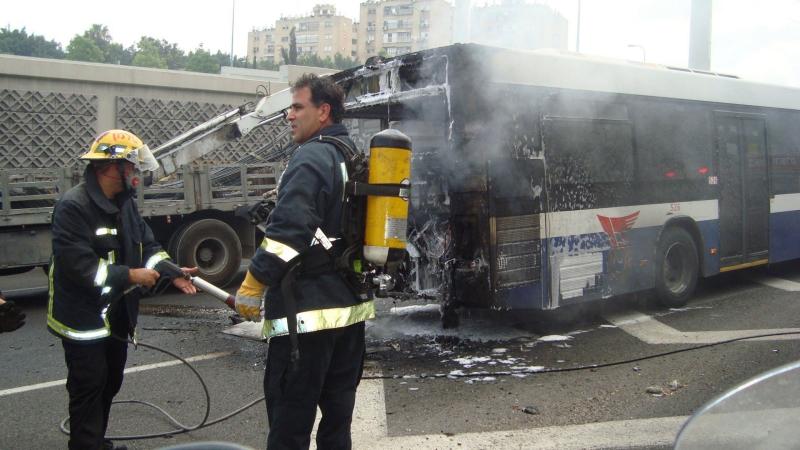
When you step onto a bus, board a train, or hail a taxi, you expect to arrive safely at your destination. Unfortunately, accidents involving public transport do happen — and when they do, the results can be serious. If you’ve been injured while using public transport and someone else was at fault, you may be entitled to make a public transport accident claim.
This guide explains everything you need to know — from your rights as a passenger to how to start a claim and what compensation you could receive.
What Is a Public Transport Accident Claim?
A public transport accident claim is a legal process where an injured person seeks compensation after being hurt while using public transit. This can include:
-
Buses
-
Trains
-
Trams
-
Taxis
-
Underground services
-
Coaches or private hire vehicles
You don’t have to be the only person affected — many public transport accidents involve multiple injured passengers. Claims can be made if the injury was caused by someone else’s negligence — whether it’s the driver, operator, transport company, or even another passenger.
Common Types of Public Transport Accidents
Not all accidents are the same. Here are some of the most common types of incidents that lead to public transport accident claims:
1. Bus Accidents
Sudden braking, collisions with other vehicles, or poor driving can lead to passengers being thrown from seats, falling down steps, or getting injured when boarding or exiting.
2. Train and Tram Accidents
Derailments, abrupt stops, malfunctioning doors, or slipping hazards inside the carriage can cause injuries to standing or seated passengers.
3. Taxi or Private Hire Accidents
You may be entitled to make a claim if your taxi or private hire vehicle is involved in a road collision — regardless of whether the driver or another vehicle was at fault.
4. Accidents at Stations or Stops
Slip-and-fall incidents at bus stops, train platforms, or underground stations due to wet floors, poor lighting, or maintenance issues also count.
5. Assault or Anti-Social Behaviour
In some cases, you may suffer injuries from an assault or violent behaviour due to a lack of proper security or staff response on the part of the operator.
Who Can Make a Public Transport Accident Claim?
If you’ve been injured on public transport and someone else is at fault, you likely have grounds to make a claim. This includes:
-
Passengers: Most commonly, injured passengers have the right to compensation.
-
Pedestrians or Cyclists: If a bus or tram hits a pedestrian or cyclist due to negligence, the injured party can file a claim.
-
Drivers of Other Vehicles: If you're hit by a bus, train, or taxi through no fault of your own, you can claim against the transport company or responsible driver.
It’s also possible to claim on behalf of someone else, such as a child or a person unable to make decisions due to severe injury.
What Do You Need to Prove?
To make a successful public transport accident claim, you’ll typically need to prove:
-
Duty of Care – The transport operator or driver owed you a duty to ensure your safety.
-
Breach of Duty – They failed to meet that duty through negligence, recklessness, or poor maintenance.
-
Causation – This breach directly caused your injury.
-
Damages – You suffered actual harm, whether physical, emotional, or financial.
An experienced personal injury solicitor will help gather the evidence and build your case.
Types of Injuries Often Seen in Public Transport Claims
The severity of injuries can vary, but common ones include:
-
Whiplash or soft tissue injuries
-
Cuts and bruises
-
Broken bones
-
Head or back injuries
-
Emotional distress or anxiety
-
Long-term mobility issues
Even seemingly minor injuries can entitle you to compensation, especially if they interfere with your day-to-day life or work.
What Can You Claim For?
Compensation in a public transport accident claim generally covers two main categories:
1. General Damages
This covers pain, suffering, and loss of amenity (i.e., impact on your quality of life). It takes into account how serious your injuries are and how long it may take to recover.
2. Special Damages
These are financial losses related to your injury, such as:
-
Medical expenses
-
Travel costs
-
Lost earnings
-
Care or rehabilitation expenses
-
Property damage (e.g., damaged phone or clothing)
Every case is different, and your solicitor will help ensure nothing is overlooked.
How Much Compensation Could You Receive?
The amount of compensation varies depending on:
-
The severity of your injury
-
The length of your recovery
-
The impact on your life and work
-
Any ongoing medical treatment required
-
Whether the injury caused permanent disability
Minor injuries may result in a few thousand pounds, while more serious claims can be worth tens or even hundreds of thousands.
How to Make a Public Transport Accident Claim
Step 1: Seek Medical Attention
Your health is your top priority. Even if your injury seems minor, get it checked by a medical professional. Medical records will also support your claim.
Step 2: Gather Evidence
-
Take photos of the scene, any visible injuries, and the vehicle or station where it happened
-
Collect witness contact details
-
Keep receipts for expenses
-
Report the accident to the operator or authority
Step 3: Contact a Specialist Solicitor
Working with a solicitor experienced in public transport claims ensures you’re properly represented and that no detail is missed.
Step 4: Start the Claims Process
Most claims are resolved through negotiation. Your solicitor will submit the claim to the responsible party and seek a settlement. If liability is disputed, the case may go to court — but this is relatively rare.
Time Limits for Making a Claim
In the UK, you typically have three years from the date of the accident to make a public transport accident claim. If the claimant is under 18, the time limit starts on their 18th birthday. Exceptions exist, so it’s always best to seek legal advice as soon as possible.
No Win, No Fee – What Does It Mean?
Many solicitors operate on a no win, no fee basis. This means you won’t pay anything upfront — and if your claim isn’t successful, you won’t pay for your solicitor’s services. If you do win, the solicitor’s fee is usually taken as a percentage of your compensation (capped by law).
This setup reduces the financial risk and allows anyone to pursue justice, regardless of their financial situation.
Final Thoughts
A public transport accident can be both traumatic and disruptive — but you don’t have to go through the aftermath alone. Whether you were hurt on a bus, train, tram, or taxi, making a public transport accident claim can help you recover physically, emotionally, and financially.
At the end of the day, compensation isn’t just about money — it’s about getting the support you need to heal and move forward.
If you're unsure where to start, speak to a trusted personal injury specialist. The sooner you take action, the sooner you can begin your journey toward justice.
Post Your Ad Here
Comments