From Routine Checks to Wear Part Management: A Guide to Stone Crusher Plant Maintenance
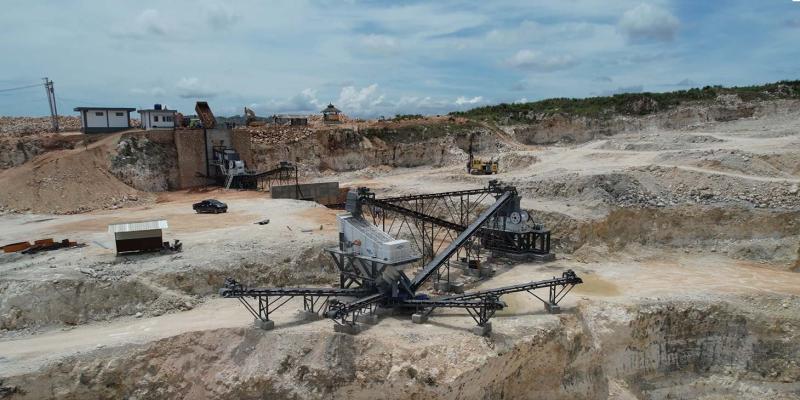
Maintaining a stone crusher plant requires a systematic approach that balances daily vigilance with long-term strategic planning. Neglecting even minor components can cascade into costly downtime, while over-maintenance wastes resources and reduces operational efficiency. This guide explores four critical maintenance pillars that keep crushing operations running smoothly—from basic inspections to optimizing wear part replacement cycles.
Daily Operational Checks: The First Line of Defense
Consistent visual inspections prevent small issues from escalating. Operators should examine hydraulic systems for leaks, check belt tensions, and listen for unusual vibrations in bearings before each shift. Pay particular attention to crusher discharge settings; a 2mm deviation in jaw crusher gap can reduce output quality by 15%. Lubrication points demand methodical verification—grease nipples on vibrating screens, for instance, often require replenishment every 8 operating hours under high-dust conditions.
Thermal imaging guns prove invaluable for early fault detection. A 10°C temperature spike in a cone crusher’s eccentric bushing typically indicates insufficient oil flow, allowing intervention before metal fatigue sets in. Keep logbooks documenting motor amperage draws and vibration readings; these establish baselines that make anomalies immediately apparent.
Predictive Maintenance Through Condition Monitoring
Advanced diagnostics transform reactive fixes into preemptive actions. Install wireless accelerometers on primary crusher frames to track vibration signatures—changes in harmonic patterns often reveal misalignments or imbalance weeks before physical damage occurs. Oil analysis programs detect microscopic wear particles in lubrication systems, with spectrography identifying specific failing components based on alloy composition.
For electrical systems, trending power consumption against production rates uncovers inefficiencies. A 5% increase in energy use per ton at constant feed size may signal worn crushing chamber liners or deteriorating drive belts. Cloud-based monitoring platforms aggregate this data, generating automated alerts when parameters exceed predefined thresholds.
Strategic Wear Part Replacement Cycles
Replacing components too early wastes money, while delayed replacements risk catastrophic failures. Track liner wear in jaw crushers using laser profiling tools—replace when wear exceeds 60% of original thickness to maintain optimal nip angles. Cone crusher mantles exhibit nonlinear wear patterns; rotate or flip them at 40% wear to extend service life by 30%.
Maintain a wear part consumption matrix correlating tonnage processed with material abrasiveness. Granite typically consumes manganese liners three times faster than limestone, necessitating adjusted replacement schedules. Consider upgrading to chromium carbide overlay liners for highly abrasive feeds—their 2.5x lifespan often justifies the 40% cost premium.
Training and Documentation for Sustained Performance
Even robust maintenance protocols fail without proper execution. Conduct bi-annual hands-on training for technicians, emphasizing torque wrench use for crusher bolt tensioning—under-tightened mantle nuts cause premature eccentric bushing wear. Standardize lockout/tagout procedures for liner changes; crushing chamber access accidents account for 22% of stone crusher plant injuries.
Digitize maintenance records with equipment-specific dashboards. Tracking hydraulic filter change intervals against oil cleanliness ISO codes, for example, helps optimize replacement frequency. Include OEM manuals in accessible digital libraries, annotated with site-specific lessons learned. A well-documented crusher history increases resale value by 18% compared to poorly recorded units.
Proactive maintenance transforms stone crushing from a disruptive cost center into a reliable profit driver. By integrating daily checks with data-driven part management, plants achieve 92% operational availability—the benchmark for top-performing aggregates operations. Consistency matters more than complexity; simple, well-executed routines outperform elaborate but sporadic interventions every time.
Post Your Ad Here