Ink and Soul: Where Tattoos Heal Beyond Skin
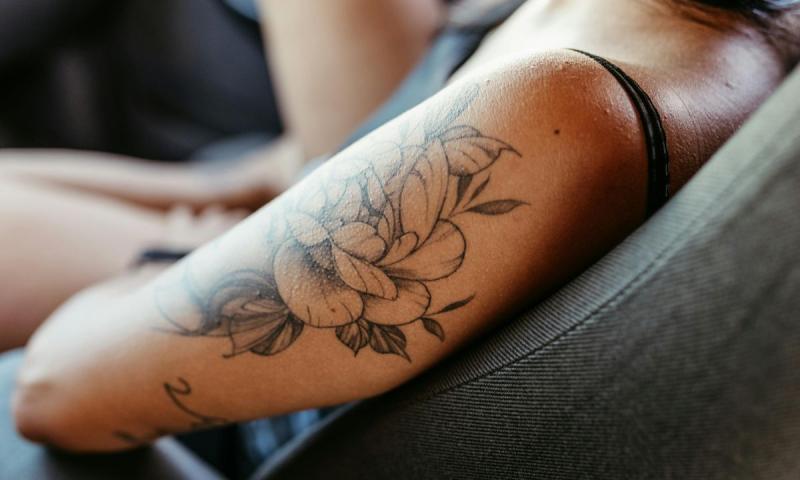
Sarah walks into Riders Studios in Cairo carrying more than
just a design idea she's carrying years of pain. The scars from her mastectomy
tell one story, but today she's here to write a different ending. She wants a
phoenix rising across her chest, wings spreading where her scars used to define
her.
This is what tattoos in the Middle East have become: not
just art, but medicine. Not just decoration, but transformation. Not just ink,
but hope.
When Your First Employee is Hope
Remember when tattoo studios were one-person operations
hidden in back rooms? Today, Riders Studios and others like them are small
businesses employing entire teams but they're not just creating jobs, they're
creating dreams.
Meet Ahmed, who started as an apprentice at 19, learning to
clean equipment and mix inks. Five years later, he's a full-time artist
supporting his family. His mother, who once worried about his "tattoo
phase," now brags to neighbors about her son the professional artist.
Or Layla, hired as a receptionist who became the studio's
social media manager when she showed a talent for photography. She's now
documenting transformation stories that inspire thousands of followers across
the region.
These aren't just jobs they're proof that the creative economy
can thrive in unexpected places, that art can pay bills, and that following
your passion can actually be practical.
The Tourism Nobody Expected
Plane tickets to Cairo used to be about pyramids and
museums. Now, people book flights specifically to get tattooed. Emma from
Stockholm spent three days in Egypt just to get a custom Arabic calligraphy
piece from TattooTwon. David from Sydney combined his Middle East vacation with
a sleeve consultation and then getting his tattoos in Amman.
Local hotel owners, restaurant managers, and tour guides
have noticed the trend: travelers who come for tattoos stay longer, spend more,
and return with friends. They're eating at local cafés while waiting for
healing appointments, buying souvenirs inspired by their new ink, and turning
their tattoo journey into full cultural experiences.
What started as art became tourism, and tourism became
economic opportunity for entire neighborhoods.
The Unexpected Therapy Sessions
Dr. Mona, a therapist in Cairo, started noticing something
interesting: her patients who got tattoos were processing trauma differently.
They weren't just talking about their pain they were transforming it into
something beautiful.
Like Yasmin, who covered self-harm scars with delicate
flowers, each bloom representing a reason to stay alive. Or Omar, whose
memorial tattoo for his brother helped him move through grief in ways that
traditional therapy couldn't reach.
Tattoo artists, doing tattoos in Jordan and Egypt without
any formal training, were becoming accidental counselors. Clients would share
stories during long sessions, finding healing in both the artistic process and
the act of reclaiming their bodies.
Some studios have started partnering with mental health
professionals, recognizing that they're offering more than artistic services
they're providing therapeutic experiences.
The Quiet Revolution of the
Marginalized
In societies where certain voices are often silenced, tattoo
studios in Cairo Egypt and Amman Jordan have become unexpected safe
havens. Young women who feel powerless elsewhere find agency in choosing what
art goes on their bodies.
Zahra never felt comfortable in traditional social settings,
but getting tattoos in cairo, her uniqueness is celebrated, not questioned.
She's found friends, confidence, and a sense of belonging she'd never
experienced before.
These spaces aren't intentionally political, but they become
quietly revolutionary places where being different is an asset, not a
liability.
The Planet Gets Inked Too
As consciousness about environmental issues grows, tattoo
studios are asking new questions: Can we make this art form sustainable?
Progressive studios are switching to vegan inks,
biodegradable needles, and eco-friendly aftercare products. They're
implementing waste reduction programs and partnering with environmental
organizations.
It seems small, but when thousands of people get tattoos
annually, those small changes add up to significant environmental impact.
The Digital Revolution Meets Ancient
Art
Technology is transforming how people experience tattoos. AR
apps let clients see designs on their skin before committing. Online platforms
connect artists with clients worldwide. Digital aftercare systems send healing
reminders to phones.
But the most powerful technology remains the oldest: human
connection. No app can replace the relationship between artist and client, the
trust built during long sessions, the shared journey of creating something
meaningful.
The Numbers That Tell Human Stories
When business reports mention "double-digit
growth" and "multi-million dollar industry," they're talking
about human transformations. Each statistic represents someone who chose art
over fear, expression over silence, healing over hiding.
Sixty percent of new clients come through referrals that's
not marketing, that's love. People sharing their positive experiences, friends
trusting friends, communities supporting communities.
More Than Skin Deep
What's happening in Middle Eastern tattoo studios transcends
traditional business models. These spaces have become:
- Healing centers where trauma becomes art
- Economic engines creating unexpected prosperity
- Safe spaces for marginalized communities
- Therapy centers offering alternative healing
- Tourist destinations bringing global attention
- Environmental pioneers proving sustainability is possible
Technology innovators blending ancient art with modern tools
The Ripple Effect of Choosing
Courage
Every person who walks into a tattoo studio makes a choice
that extends far beyond their own skin. They're supporting local artists,
contributing to economic growth, challenging social norms, and inspiring others
to embrace self-expression.
Sarah, who came in to cover her mastectomy scars, didn't
just get a phoenix tattoo she became one. Her transformation inspired her
sister to get inked, her daughter to pursue art, and her friend to finally
leave an unhappy marriage and choose joy.
That's the real power of this movement: ink doesn't just
change skin, it changes lives. And changed lives change communities. And
changed communities change the world, one tattoo at a time.
In the end, the Middle Eastern tattoo revolution isn't just
about business growth or social change it's about the profound human need to
mark our stories, heal our wounds, and transform our pain into something
beautiful enough to wear forever.

Post Your Ad Here
Comments