Remote Monitoring Made Easy: The Role of IoT in Reducing Downtime for Mobile Stone Crusher Plant
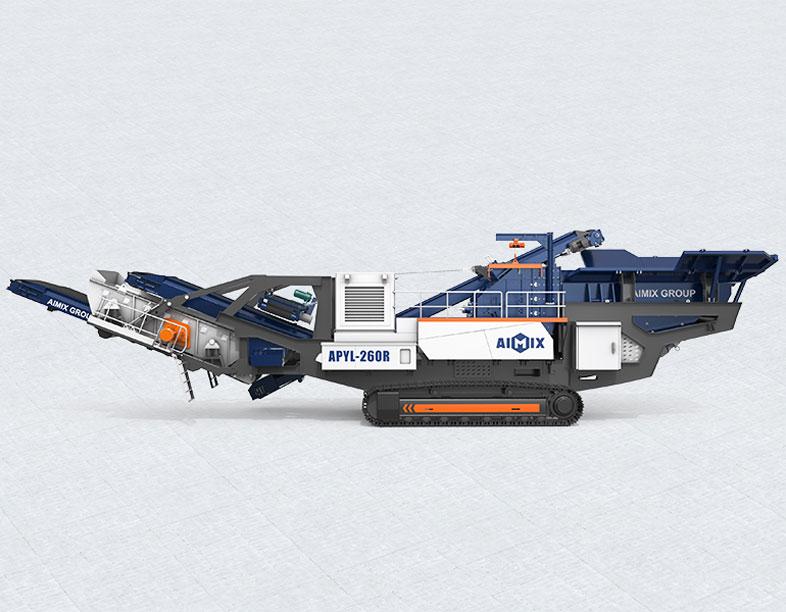
In today's fast-paced construction and mining industries, operational efficiency is paramount. Unexpected downtime in mobile stone crushing operations can lead to significant financial losses, project delays, and resource wastage. The integration of Internet of Things (IoT) technology has emerged as a game-changing solution, transforming how operators monitor and maintain their mobile crushing plants. By implementing intelligent remote monitoring systems, businesses can now predict potential issues before they escalate, optimize maintenance schedules, and ensure continuous productivity even in the most remote locations.
The traditional approach to plant maintenance—reactive repairs after equipment failure—is becoming increasingly obsolete. Modern IoT-enabled systems provide real-time visibility into every critical component of a mobile stone crusher, from engine performance to conveyor belt tension. This paradigm shift from corrective to predictive maintenance represents not just technological advancement, but a fundamental change in operational philosophy. When implemented effectively, these systems can reduce unplanned downtime by up to 45%, while simultaneously extending equipment lifespan through data-driven care.

The IoT Architecture for Mobile Crushing Plants
Sensor Networks: The Foundation of Smart Monitoring
At the core of any IoT monitoring system lies an intricate network of industrial-grade sensors. These devices continuously collect data on vibration patterns, temperature fluctuations, hydraulic pressure, and bearing conditions. Unlike traditional monitoring methods that provide sporadic snapshots, this constant stream of telemetry data creates a comprehensive digital twin of the mobile stone crusher plant's operational state. Specialized acoustic sensors can even detect subtle changes in crushing chamber acoustics, often identifying wear patterns days before visible symptoms appear.
Edge Computing: Real-Time Analysis at the Source
Modern IoT solutions employ edge computing to process data directly on the equipment. This approach minimizes latency and ensures functionality even in areas with poor connectivity. By performing initial analysis at the edge, these systems can immediately flag anomalies like unusual motor vibrations or irregular power consumption patterns. The system doesn't just collect data—it interprets it, distinguishing between normal operational variations and genuine warning signs that demand attention.
Cloud Integration for Comprehensive Oversight
While edge computing handles immediate concerns, cloud platforms aggregate data from multiple plants across different locations. This centralized repository enables fleet-wide performance benchmarking and trend analysis. Managers can compare how similar equipment performs under varying conditions, identifying best practices that can be implemented across all operations. The cloud component also facilitates remote access, allowing engineers to diagnose issues from thousands of miles away.

Tangible Benefits for Crushing Operations
Predictive Maintenance: Preventing Failures Before They Occur
IoT monitoring transforms maintenance from a calendar-based routine to a needs-driven strategy. By analyzing historical and real-time data patterns, the system can predict when components will likely fail. This allows operators to schedule maintenance during natural breaks in production, rather than reacting to unexpected breakdowns. A well-implemented predictive maintenance program can reduce maintenance costs by 25-30% while increasing equipment availability by 10-20%.
Optimized Performance Through Data Analytics
The wealth of operational data enables continuous process improvement. Algorithms can detect subtle correlations between settings and output quality, suggesting adjustments to maximize production efficiency. For example, the system might recommend slightly modifying the portable rock crusher's closed-side setting when processing certain rock types, balancing throughput with product gradation requirements. These micro-optimizations, accumulated over time, can lead to significant gains in overall productivity.
Enhanced Safety Through Remote Diagnostics
IoT monitoring reduces the need for personnel to physically inspect potentially hazardous equipment. Many diagnostic checks can be performed remotely, minimizing exposure to moving parts, dust, and noise. When onsite inspection is necessary, technicians arrive armed with precise information about suspected issues, reducing time spent in dangerous areas. The system can also automatically enforce safety protocols, like preventing startup when unsafe conditions are detected.
Implementation Considerations for Optimal Results
Choosing the Right Monitoring Granularity
Not all components require the same level of monitoring intensity. Critical wear parts like crusher liners and bearings justify continuous monitoring, while less crucial elements may only need periodic checks. A balanced approach ensures comprehensive coverage without unnecessary complexity or cost. The ideal system evolves over time, adding sensors to problem areas while scaling back on components that demonstrate reliable performance.
Integration with Existing Fleet Management Systems
For maximum effectiveness, IoT monitoring should seamlessly integrate with other operational systems. This includes maintenance management software, inventory control for spare parts, and even operator training platforms. Such integration creates a closed-loop system where monitoring data directly informs maintenance scheduling, parts ordering, and skills development—creating a truly intelligent crushing operation.
Key Insight: The true value of IoT monitoring emerges not from individual data points, but from the patterns and trends revealed over time. Operators who consistently analyze and act on these insights gain a competitive advantage that compounds with each production cycle.
As mobile stone crushing plants become increasingly sophisticated, IoT monitoring transitions from optional luxury to operational necessity. The technology has matured beyond simple alert systems into comprehensive operational intelligence platforms. Early adopters are already reaping benefits in reduced downtime, lower maintenance costs, and improved product quality. In an industry where margins are tight and reliability is paramount, smart monitoring represents one of the most impactful investments a crushing operation can make.
Post Your Ad Here