Night Fishing 101: Using Light to Catch More Fish
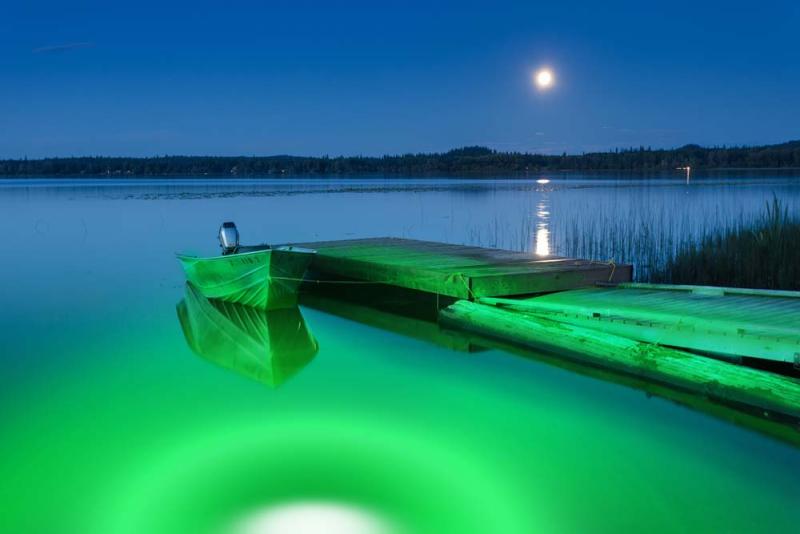
Night fishing isn’t just quiet—it’s a game changer. Incredible Underwater LED Lighting understands this unique opportunity and designs marine underwater lights that elevate your fishing experience—making it both beautiful and productive.
This guide reveals how to use light effectively for night fishing: cutting myths, sharing tactics, and highlighting the science behind the glow.
1. Why Light Matters for Night Fishing
Anglers know there's winning strategy behind using underwater led lights to catch more fish. These lights emit wavelengths that attract plankton, which draws baitfish, and ultimately lures the predators anglers seek.
In clear water, especially around docks or boats, that illuminated area becomes a feeding hotspot. Anglers using strategic lighting often pull in trout, snook, bass, redfish, and more .
2. Debunking Common Mistakes
Myth: Brighter Light = More Fish
Not necessarily. Overly intense lights can scatter and repel fish, especially in shallow or clear water. The key is balance—enough to attract without overwhelming.
Myth: All Colors Work the Same
Color makes a huge difference. Underwater green lights penetrate deeper, attract plankton efficiently, and start the food-chain reaction. Blue works better offshore or in saltwater, but green is a near-universal option.
Myth: White Is Always Best
White light is great for visibility and safety—but it disperses quickly and doesn’t attract marine life like color-optimized lights do.
3. The Science: From Plankton to Predators
It all begins with light. A well-positioned light draws plankton to the illuminated zone, creating a base that attracts baitfish and larger predators.
Green light (≈520–560 nm) is most effective, closely mimicking natural cues used by plankton and fish. Boats and docks that use controlled, targeted green or blue hues see better catch rates.
4. Choose the Right Setup
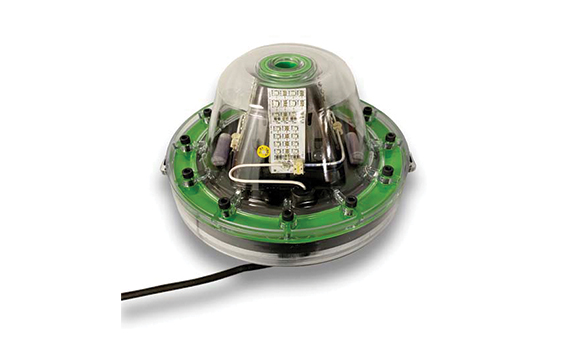
Color
Use underwater green lights for freshwater or general fishing. Try blue with saltwater or deeper offshore conditions.
Brightness & Placement
Aim lights downwards just below the surface to minimize glare and maximize underwater reach. Multiple lights spaced a few feet apart cast a wider attraction zone.
Floating vs. Submersible
Submersible underwater fishing lights are best—they stay below the surface with no light bouncing off water. Floating lights move and scatter, making them less effective.
5. Quality Gear Is Essential
Cheap lights burn out fast or emit wrong wavelengths. Incredible’s marine underwater lights are low-voltage, durable, and spread optimum light while burning just 80 watts—outperforming many cheaper alternatives.
High-quality LEDs last 50,000 hours in rugged housing. That means fewer replacements, better results, and long-term value.
6. Tips That Work
Start before sundown – Switch lights on 30–45 minutes before dark to let marine life settle.
Let habit form – Fixed lights at the same spot nightly train fish to return.
Try multiple colors – Green mostly, but experiment with blue on deeper saltwater nights.
Use dusk-to-dawn timers – Let lights run automatically to maintain pull without wasting power.
7. Installation & Maintenance
Securely mount underwater lights to docks, pilings, or boat transoms using waterproof connectors and corrosion-resistant hardware. Position lights downward to maximize underwater illumination while minimizing glare. Use custom or purpose-built brackets to protect lights from impact and ensure long-term stability, especially in high-traffic or high-current areas.
Before sealing everything in place, double-check all gaskets and O-rings for a watertight fit. Apply marine-grade sealant around cable entry points and fixture bases to prevent leaks. Route wiring through protective conduit when possible, and avoid sharp bends or areas where cables might chafe.
8. Real-World Results
Anglers report dramatically better results—with green lights consistently outperforming white sodium bulbs.
Experienced captains in inshore waters highlight green’s success attracting striped bass, snook, redfish, and trout. Offshore anglers using lights draw in squid, tuna, and pelagics.
9. Balancing Safety & Conservation
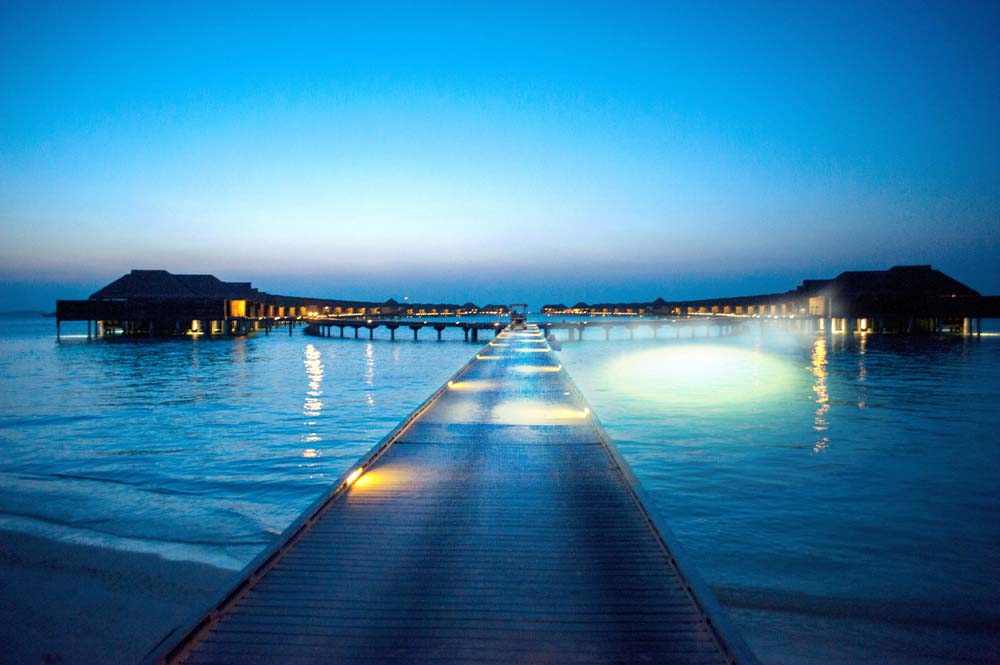
Good lighting attracts fish—but irresponsible use creates glare pollution and disturbs marine life. Choose lights with appropriate brightness and angle. LED’s eco-friendly design ensures sustainable use without disrupting ecosystems.
10. Your Night Fishing Setup Checklist
Choose quality marine underwater lights with green or blue output
Install 1–3 lights, angled downward below surface
Use timers for dusk-to-dawn operation
Monitor growth, wiring, and housing integrity
Track performance and tweak color/placement
Ready to Illuminate Your Catch?
Upgrade your night fishing game with Incredible Underwater LED Lighting. Their patent-protected, durable systems are built for marine conditions, low-powered, energy-efficient, and scientifically optimized to attract fish. When you invest in their underwater fish lights or underwater fishing lights, you're not just buying gear—you’re choosing a smarter, long-lasting fishing advantage.
Head to their site to explore powerful color options, setup guides, and real-world results. Let light lead you to fish—and moments you'll remember.

Post Your Ad Here
Comments