E-Commerce Brand Development: Building a Strong Identity in the Digital Age
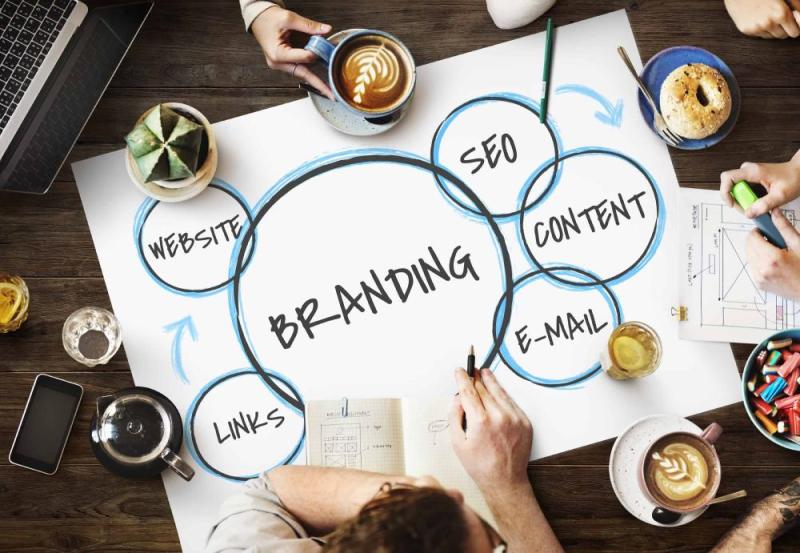
In today's highly competitive digital landscape, e-commerce businesses are no longer just about offering products or services online. The success of an online business is increasingly driven by its ability to create a strong, recognizable, and trusted brand. Whether you’re a startup or an established business, the process of e-commerce brand development is critical for standing out, building loyalty, and driving sustained growth.
At TrendWaltz, a digital marketing company dedicated to helping businesses grow online, we understand the importance of e-commerce brand development. We work closely with our clients to craft strategies that not only highlight the uniqueness of their products but also connect with their target audience in a meaningful way.
In this article, we’ll explore the key elements of e-commerce brand development and how your business can build a compelling brand that resonates with customers in today’s digital-first world.
The Importance of E-Commerce Brand Development
E-commerce brand development goes beyond having a recognizable logo or a catchy slogan. It’s about building a cohesive and consistent brand that reflects your company’s values, mission, and vision. For businesses operating online, a strong brand creates differentiation in a crowded market, builds consumer trust, and cultivates long-term customer relationships.
-
Differentiation
In the world of e-commerce, where millions of businesses are offering similar products, brand development allows you to differentiate your offerings from competitors. A well-crafted brand identity will help you stand out, capture attention, and communicate your unique value proposition to your target audience. -
Building Trust and Loyalty
E-commerce shoppers often make purchasing decisions based on trust. When customers can recognize a brand they trust, they’re more likely to make a purchase and return for repeat business. Strong brand development ensures that your brand consistently delivers quality experiences, from your website design to your customer service interactions. -
Customer Retention and Advocacy
A solid brand identity helps foster customer loyalty, which is vital for business success in the e-commerce space. Loyal customers are more likely to recommend your brand to others, driving organic growth through word-of-mouth marketing. Building a brand that resonates emotionally with your audience ensures they will not only return but also spread the word about your business. -
Increase Perceived Value
A robust e-commerce brand enhances the perceived value of your products and services. Through strategic brand development, businesses can position their offerings as premium, allowing for higher pricing, more favorable terms, and stronger perceived value in the eyes of their customers. -
Better Marketing ROI
Brand development lays the foundation for more effective and targeted marketing. A clearly defined brand makes it easier to create tailored marketing strategies, whether you are running PPC ads, posting on social media, or sending email campaigns. A unified brand allows you to maintain consistency and coherence across all your marketing efforts, ultimately improving the return on investment (ROI) for your campaigns.
Steps for Effective E-Commerce Brand Development
At TrendWaltz, we help e-commerce businesses develop comprehensive and sustainable brand strategies. Below, we break down the key steps involved in e-commerce brand development that can help take your online business to the next level:
-
Define Your Brand’s Mission and Values
Every successful e-commerce brand begins with a clear understanding of what it stands for. What are the core values that define your business? What mission does your company strive to fulfill? These fundamental principles will shape the way you interact with your audience and differentiate your offerings from competitors.
For example, a company that sells eco-friendly products might prioritize values such as sustainability, ethical sourcing, and environmental responsibility. These values should permeate every aspect of the brand, from the website design to product descriptions and marketing materials.
-
Identify Your Target Audience
Knowing your audience is one of the most important elements of e-commerce brand development. By understanding your customers' demographics, preferences, pain points, and behaviors, you can tailor your brand identity, products, and marketing strategies to resonate with them.
Start by gathering data on your target audience—such as age, gender, income level, location, and interests. Additionally, identify their needs, challenges, and what motivates them to make purchases. Once you have a deep understanding of who your customers are, you can develop a brand that speaks directly to them.
-
Develop a Strong Brand Identity
Brand identity encompasses all the visual and verbal elements that represent your business. This includes your logo, color palette, typography, voice, and tone. Consistency in these elements across all digital platforms ensures that your customers will recognize and connect with your brand wherever they encounter it.
Key elements of brand identity include:
-
Logo: Your logo should be unique, memorable, and scalable. It is often the first impression potential customers will have of your brand, so make sure it conveys the essence of your business.
-
Color Scheme: The colors you choose for your brand should reflect the emotions and values you want to evoke. For example, blue often represents trust and professionalism, while green symbolizes health and sustainability.
-
Typography: Choose fonts that are easy to read and align with your brand’s personality. Whether you opt for modern, bold fonts or more traditional serif fonts, consistency is key.
-
Brand Voice and Tone: Your brand voice refers to the way you communicate with your audience. Whether you’re formal, friendly, or playful, the tone of your messaging should align with your audience’s expectations and preferences.
-
-
Create a Seamless User Experience (UX)
In the world of e-commerce, user experience (UX) is crucial to brand development. If your website is difficult to navigate, slow to load, or not optimized for mobile devices, customers are likely to abandon their purchases and look elsewhere.
Your website should be designed with your target audience in mind. It should be easy to navigate, mobile-friendly, and fast-loading. A clear, user-friendly interface with intuitive navigation, prominent call-to-action buttons, and a smooth checkout process will help foster a positive experience for customers.
-
Leverage Digital Marketing to Promote Your Brand
Once you have developed a solid brand identity, it’s time to promote it through effective digital marketing strategies. A digital marketing company like TrendWaltz can help you craft a tailored marketing plan to increase brand visibility and drive traffic to your e-commerce store.
-
Search Engine Optimization (SEO): SEO is crucial for improving your website’s visibility on search engines. Optimize your product pages, blog content, and other site elements to rank higher on Google and other search engines. This helps drive organic traffic and attracts potential customers.
-
Social Media Marketing: Social media platforms like Instagram, Facebook, Pinterest, and TikTok are excellent tools for promoting your brand and engaging with customers. By posting visually compelling content, running paid ads, and collaborating with influencers, you can increase brand awareness and drive traffic to your website.
-
Email Marketing: Email marketing allows you to nurture relationships with potential and existing customers. Build an email list and send personalized messages, promotions, and product updates that reflect your brand’s voice and values.
-
Paid Advertising: Pay-per-click (PPC) advertising on platforms like Google Ads and Facebook Ads can help generate immediate traffic to your e-commerce store. Well-targeted ads can increase brand visibility and drive conversions.
-
-
Focus on Customer Service and Support
Exceptional customer service is a cornerstone of a successful e-commerce brand. When customers feel valued and supported, they are more likely to become loyal to your brand. Invest in creating efficient communication channels, such as live chat, email support, and social media interactions.
Promptly respond to customer inquiries, address concerns, and resolve issues in a friendly and professional manner. Positive customer experiences not only retain existing customers but also encourage word-of-mouth marketing, which is invaluable for brand growth.
Conclusion
Building a successful e-commerce brand is an ongoing process that requires dedication, creativity, and strategy. As a digital marketing company, TrendWaltz specializes in helping businesses navigate the complexities of e-commerce brand development. By defining your brand’s mission, understanding your target audience, creating a strong brand identity, and leveraging digital marketing, you can develop a compelling brand that resonates with customers and drives long-term success.
Whether you’re just starting your e-commerce journey or looking to take your business to the next level, effective brand development is key to standing out and building lasting customer loyalty.


Post Your Ad Here
Comments