Why Governments and Developers Are Pushing for Construction Waste Recycling on Job Sites
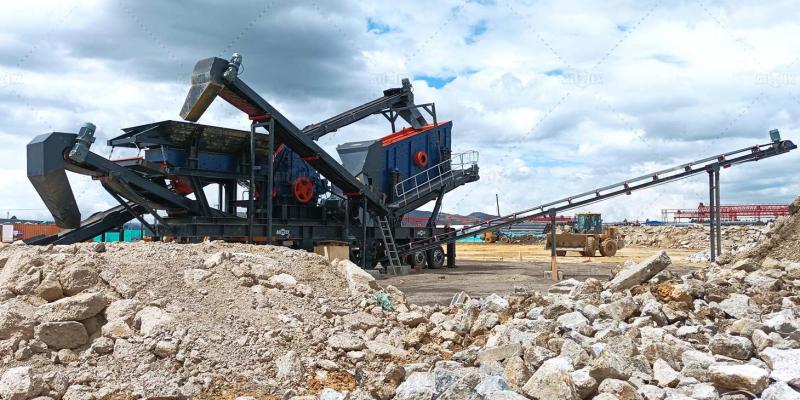
The global construction industry generates 2.2 billion tons of waste annually—a staggering figure that has triggered regulatory reforms and market-driven initiatives to transform jobsites into circular economies. What began as environmental compliance measures has evolved into strategic advantage for forward-thinking developers, with onsite construction waste recycling delivering both policy compliance and tangible financial benefits. This shift reflects deeper changes in how the building sector values resources, manages risk, and meets stakeholder expectations in an era of constrained materials and climate accountability.
Regulatory Pressure and Policy Incentives
Municipalities worldwide are implementing stringent waste diversion mandates that make recycling economically imperative. London's 95% non-hazardous construction waste recovery requirement and Singapore's mandatory recycling protocols exemplify this trend. These policies are reinforced by:
- Landfill tax escalators increasing 8-12% annually in major markets
- Green building certification requirements allocating 15-20% of points to waste management
- Public tender preferences for contractors demonstrating 70%+ diversion rates
Developers in the EU now face €120-180/ton penalties for non-compliance, while leaders in waste reduction access tax credits covering 20-30% of recycling equipment costs. This regulatory landscape has made mobile crushing plants and sorting systems prerequisite investments rather than optional sustainability measures.
Material Security and Supply Chain Resilience
The aggregates crisis—driven by depleted quarries and transport bottlenecks—has transformed construction waste into a strategic resource. Onsite recycling provides:
- Price stability with recycled aggregates costing 30-40% less than virgin materials in urban cores
- Supply assurance critical for projects with tight schedules and liquidated damages
- Quality control through closed-loop material processing meeting exact project specs
Major infrastructure projects like Sydney Metro report 18-22% cost reductions by replacing imported materials with onsite-processed excavation stone and demolition concrete. The ability to customize aggregate gradations for specific applications further enhances value, particularly for high-specification projects requiring precise engineering properties.
ESG Imperatives and Market Differentiation
Waste recycling has become a key metric for environmental, social, and governance (ESG) reporting, influencing:
- Investor decisions with 78% of REITs now weighting waste performance in funding evaluations
- Tenant preferences as corporate lessees mandate sustainable construction practices
- Community relations reducing neighborhood impacts from truck traffic and disposal sites
Forward-thinking developers leverage recycling achievements for marketing advantage. A recent Dubai high-rise development attracted premium tenants by demonstrating 92% waste diversion through onsite processing, while a Toronto contractor secured three subsequent projects based on their zero-waste certification. These market dynamics have elevated waste recycling from compliance exercise to competitive differentiator.
The convergence of regulatory, economic, and reputational factors makes jobsite recycling inevitable for mainstream construction. As mobile impact crusher processing technology advances and carbon pricing mechanisms expand, the industry's waste streams will increasingly be viewed not as disposal challenges, but as untapped asset reservoirs—transforming environmental responsibility from cost center to value driver.
Post Your Ad Here
Comments