Reliable Power Anywhere: Why Portable Power Stations Use LiFePO4 Batteries
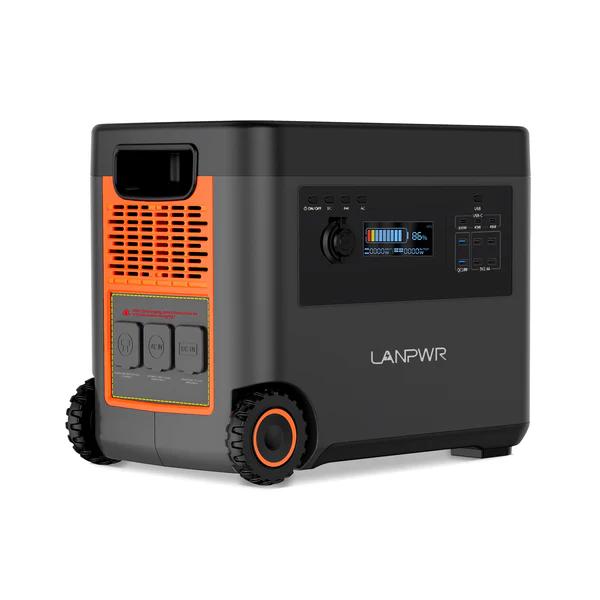
This article explains everything you need to know about LiFePO4 24V 100Ah and lithium battery 100Ah, including their benefits and how they make modern portable power stations dependable and safe.
In the current world, it is no longer a luxury to have access to reliable power; it is a necessity. Portable power stations are your friends whether you are in the wilds, are planning to be ready for the worst, or have to work on distant job sites. These are small and mighty gadgets that store and feed electricity into your hands when and where it is needed the most.
What is a Portable Power Station?
A portable power station is an oversized battery pack that may contain numerous ports so that you may charge multiple devices (phones, laptops, small appliances, and even power tools). Most of these stations are commonly equipped with USB ports, AC ports, and DC carports; hence, they can be used at home, on campsites, for outdoor activities, or as a backup emergency power source.
Why Battery Choice Matters
The main component of any portable power station is a battery. The type of battery is what determines:
How long does it last
How safe is it
How much power can it store
How fast does it charge
How heavy is the unit?
It is at this point that LiFePO4 (Lithium Iron Phosphate) batteries have excelled, particularly in the LiFePO4 24V 100Ah variations.
Understanding LiFePO4 24V 100Ah Batteries
Let's break this down:
LiFePO4: This is a form of lithium battery that is characterized as more stable and safe than traditional lithium-ion batteries. It also lasts longer and has more cycles of charge and discharge.
24V: This refers to the voltage of the battery. A 24V battery performs best where a higher power and efficiency installation is required, compared to a standard 12V system.
100Ah: The Ah is the abbreviation for ampere-hour, which measures battery capacity. A battery with 100Ah provides 100A for one hour or 10A for 10 hours.
Such specifications ensure that LiFePO4 24V 100Ah batteries are among the best options for power stations that require long-life performance under heavy loads.
Advantages of LiFePO4 in Portable Power Stations
1. Longer Lifespan
A LiFePO4 battery has a rated capacity of more than 3,000 to 5,000 charge cycles, many more than lead-acid or typical lithium-ion batteries. This implies years of stable power that does not require frequent replenishing.
2. Improved Safety
LiFePO4 will not easily overheat or burn as other lithium batteries do. It is thermally and chemically stable, making it suitable for use both indoors and outdoors.
3. Lightweight and Compact
Although a 100Ah lithium battery is quite powerful, it is more lightweight compared with older technologies. This facilitates the transportation and storage of the whole power station.
4. Fast Charging
LiFePO4 batteries can be recharged more quickly without charging the cells, particularly when coupled with a 24V solar panel or a smart wall charger.
Use Cases: Where Portable Power Stations Shine
Camping & RVing: Use lights, mini-fridges, Fans, and charge devices.
Home Backup: Backup power to Wi-Fi routers, medical equipment, and the necessities.
Outdoor Work: Using power tools on an outdoor site at locations where there is no nearby power source.
Emergency Preparedness: Be prepared in case of natural disasters and grid failures.
Things to Consider When Buying a Portable Power Station
Battery Type: Prefer LiFePO4 over other lithium or lead-acid types.
Battery Capacity: Choose a 100Ah battery for heavy-duty or long-term use.
Input/Output Ports: Ensure it has sufficient AC, DC, and USB ports to meet your needs.
Recharge Options: Look for units that support wall, solar, and car charging.
Display and Controls: An LCD screen to monitor input/output and battery level is a great feature.
Maintenance Tips
Store in a cool, dry place
Charge every 3-6 months if unused
Avoid overcharging and deep discharging
Use compatible chargers only
LiFePO4 batteries are low maintenance, but following these tips will help them last even longer.
Final Thoughts
With a portable power station equipped with a LiFePO4 24V 100Ah or lithium battery 100ah, this is a perfect choice in our world, offering overall reliability in terms of power. If you need home backup power, want to explore the world with freedom, or work independently at a remote job site, then these energy solutions can meet your needs. By selecting a model that features sophisticated lithium-iron-phosphate technology, you obtain a safe, long-lasting, efficient, and eco-friendly product.
FAQs
Q1: What makes LiFePO4 batteries better for portable power stations?
LiFePO4 batteries last longer, are safer, and provide stable power even under high demand. They can handle thousands of charge cycles with minimal degradation.
Q2: How long can a 100Ah lithium battery run my devices?
It depends on the device's power usage. For example, a 100W device could run for approximately 12 hours on a fully charged 100Ah battery (at 24V).
Q3: Are LiFePO4 batteries safe for indoor use?
Yes, they are among the safest lithium batteries available. They don't overheat, swell, or catch fire like older lithium-ion models.
Q4: Can I use solar panels to charge my portable power station?
Absolutely. Most stations with LiFePO4 batteries support solar charging, making them ideal for off-grid use.
Q5: What's the difference between 12V and 24V 100Ah batteries?
24V batteries are more efficient and suitable for larger power loads. They reduce current draw and wire thickness, making systems more compact and cooler.
Post Your Ad Here
Comments