Unstable Angina: When Chest Pain Becomes a Cardiac Red Flag
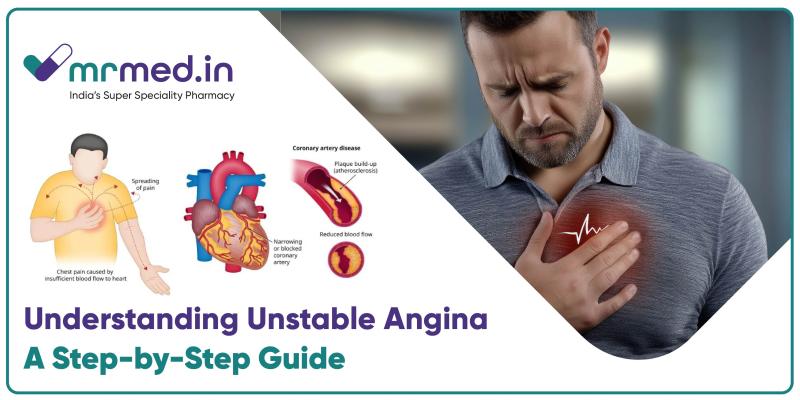
Chest pain is something many people might ignore or dismiss, but when it comes to unstable angina, it’s a serious warning sign your heart is in trouble. Understanding what unstable angina means, how it differs from other heart conditions, and what to do if you or a loved one experience it can literally save lives.
Let’s dive into the essential facts about this urgent cardiac condition that’s especially important in India, where heart disease rates continue to rise.
What is Angina?
Angina is a type of chest pain or discomfort that occurs when the heart muscle doesn’t get enough oxygen-rich blood. This usually happens because the arteries supplying blood to the heart become narrowed or blocked due to plaque buildup, a condition known as coronary artery disease. Angina often feels like pressure, tightness, or heaviness in the chest and serves as an important warning sign that the heart needs attention.
There are two main forms of angina you should know about:
Stable angina typically appears during physical activity or stress and usually improves with rest or medication. It’s a more predictable and manageable form of chest pain.
Unstable angina is more serious and unpredictable. It can happen even when you’re resting and signals a possible heart attack. This type requires immediate medical attention.
How is unstable angina different from other chest pains?
Unstable angina differs mainly because it happens suddenly and can occur even when you’re resting. Unlike stable angina, which is predictable and relieved by rest, unstable angina causes prolonged and more intense chest pain. This happens when a plaque in the artery ruptures or blocks blood flow suddenly, increasing the risk of a heart attack.
Key signs to note:
Chest pain lasting longer than usual or not going away with rest
Pain that feels heavier, more intense, or different from previous episodes
Chest discomfort that happens without obvious triggers
Recognizing these differences can help you seek timely medical help.
What symptoms should you watch for?
If you experience any of these symptoms, especially chest pain or pressure, it’s important not to ignore them:
A squeezing or tight feeling in the chest.
Back, jaw, neck, or arm pain that spreads
Shortness of breath or difficulty breathing
Excessive sweating, nausea, or dizziness
Sudden fatigue or weakness
Since symptoms can sometimes be subtle or mistaken for less serious issues, always err on the side of caution.
How is unstable angina diagnosed in India?
Doctors typically start with a detailed history and physical exam. They’ll ask about your chest pain, its nature, and when it occurs. Diagnostic tests often include:
ECG (Electrocardiogram): To check for any changes in your heart’s electrical activity.
Blood tests: To look for markers that indicate heart muscle damage.
Stress tests: To see how your heart handles physical activity.
Coronary angiography: A detailed imaging test to find blocked arteries.
What treatments are used for unstable angina?
Unstable angina requires quick action. Treatment usually includes:
Medications: Blood thinners and antiplatelet medications are key to preventing clots. For example, Enoxaparin (marketed as Evaparin 40) is commonly used to reduce clot risk. Other medicines include beta-blockers, nitrates.
Lifestyle changes: reducing stress, managing diabetes and high blood pressure, quitting smoking, and maintaining a heart-healthy diet.
Surgical procedures: In some cases, angioplasty or bypass surgery may be necessary to open or bypass blocked arteries.
Following your doctor’s advice carefully improves your chances of avoiding a heart attack.
How can you prevent unstable angina?
Prevention is vital, especially in India where heart conditions are widespread. Simple lifestyle steps can protect your heart:
Eat plenty of fruits, vegetables, whole grains, and reduce saturated fats and salt.
Stay physically active with regular exercise.
Avoid tobacco completely.
Keep chronic illnesses like diabetes and hypertension under control.
Get regular health checkups.
Manage stress through relaxation techniques like yoga or meditation.
These habits don’t just reduce the risk of unstable angina, but improve your overall heart health.
When should you get emergency help?
If you experience chest pain lasting more than a few minutes, or pain at rest, especially with sweating, breathlessness, nausea, or fainting, seek emergency medical care immediately. Quick action can save your life.
Key Takeaways
Your heart's way of sending out a loud, flashing warning that something is seriously wrong is through unstable angina. Don't ignore it or think it will go away on its own. Don't be tough or ignore the onset of chest pain; instead, get help from a doctor right away. Spotting these warning signs early can be a total game-changer because heart attacks aren’t something to roll the dice on. Keeping your heart healthy isn’t complicated: eat well, move more, and actually take care of yourself. But above all, don’t be a hero and dismiss the pain. If your chest hurts, get it checked—no ifs, no buts. Quick action is what keeps you around for the long haul.
Post Your Ad Here
Comments