Are Over-the-Counter Products Enough for Rosacea Treatment?
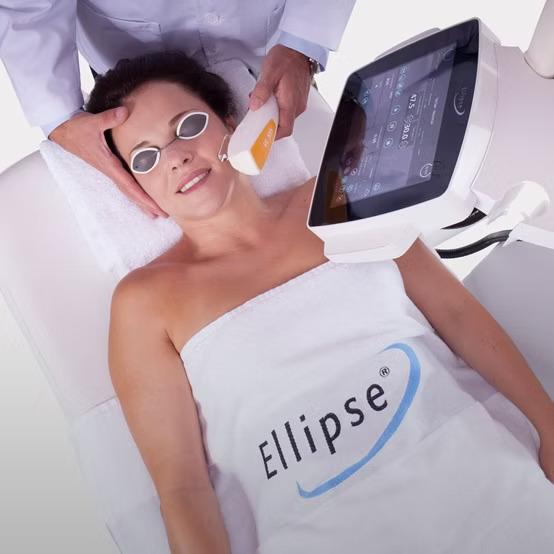
This article will cover rosacea treatment, body roller machines, whether over-the-counter products are sufficient for treating rosacea, and other relevant subjects.
What Is Rosacea?
Rosacea is a prevalent skin condition that results in facial redness, visible blood vessels, and pimples. It can also make your skin feel hot or irritated. Many people try to treat it using simple products they find in stores, but results vary.
Rosacea causes redness and bumps
It often affects the face
Skin can feel hot or sting
Can Rosacea Be Treated?
Rosacea can’t be fully cured, but it can be managed. Many people get relief by using gentle skincare, medications, or professional treatments. The Rosacea Treatment aims to reduce redness, calm the skin, and avoid flare-ups caused by triggers.
Rosacea can be managed but not cured
Treatments aim to reduce redness
Avoiding triggers is important
What Are Over-the-Counter Products?
Over-the-counter (OTC) products are the creams, gels, or cleansers you can buy without a prescription. These are found in drugstores or online. Some are made to calm red skin, reduce dryness, or gently cleanse sensitive skin without causing more irritation.
OTC products don’t need prescriptions
Available in stores and online
Made to calm and protect skin
Are OTC Products Enough?
For mild rosacea, OTC products help. They may soothe the skin and reduce redness. But if your symptoms are moderate or severe, these products might not be strong enough. You may need help from a Rosacea Dublin doctor for stronger treatment.
Mild cases may improve with OTC
Moderate cases need more care
Doctors offer stronger treatments
What OTC Products Can’t Do
Over-the-counter products can calm your skin but don’t treat deeper issues like swelling, breakouts, or visible blood vessels. They also don’t help much during intense flare-ups. That’s why many people use OTC products and medical treatments.
OTC calms skin but doesn’t fix it
Not effective for intense flare-ups
Can’t treat blood vessels or swelling
When Should You See a Doctor?
If your rosacea worsens or does not improve with store-bought creams, it’s time to see a skin doctor. They can give you special creams, pills, or treatments like laser therapy to reduce symptoms that OTC products cannot handle.
Visit a doctor if the skin doesn’t improve
Stronger treatments may be needed
Laser therapy can reduce redness
Rosacea and Sensitive Skin
People with rosacea often have very sensitive skin. OTC products must be chosen carefully to avoid further irritation. Patch testing a small area before full use can help. Gentle routines work best to calm and protect the skin without harsh ingredients.
Rosacea skin is easily irritated
Test products before full use
Use gentle routines daily
Body Roller Machines and Rosacea
The body roller machine improves skin tone and circulation. However, they are not safe for rosacea-prone skin, especially on the face. The pressure and friction from these tools can increase redness and irritation and even lead to a flare-up.
Not safe for facial rosacea
Pressure increases redness
Avoid friction on the skin
Ingredients to Avoid in OTC Products
Some ingredients found in store-bought products can harm sensitive rosacea skin. Avoid anything with alcohol, peppermint, eucalyptus, menthol, or acids like glycolic acid. These can cause burning, stinging, or worsen redness in people with rosacea.
Stay away from menthol and peppermint
Avoid alcohol in skincare
Strong acids can irritate the skin
Ingredients That May Help
Certain ingredients are known to calm rosacea-prone skin. These include niacinamide, green tea extract, aloe vera, ceramides, and licorice root. These ingredients help reduce redness, soothe irritation, and improve the skin barrier.
Niacinamide reduces redness
Aloe vera soothes skin
Ceramides protect the skin barrier
OTC Cleansers and Moisturizers
Cleansing and moisturizing are key parts of rosacea treatment. Use a gentle cleanser that doesn’t foam or strip the skin. Moisturizers should be fragrance-free and creamy or gel in texture to hydrate and calm the skin.
Use gentle, non-foaming cleansers
Creamy moisturizers hydrate the skin
Fragrance-free products are safer
Sun Protection and Rosacea
Sun is a major rosacea trigger. Many OTC sunscreens are available, but not all are safe for rosacea. Select mineral sunscreens that contain titanium dioxide or zinc oxide. Avoid chemical sunscreens that may cause a stinging feeling on sensitive skin.
Use mineral sunscreens
Zinc oxide is gentle on the skin
Avoid chemical-based formulas
Lifestyle Tips with OTC Use
Along with using OTC products, small changes in daily life help a lot. Avoid hot showers, spicy foods, and stress. Keep the skin cool, and avoid rubbing or touching your face too often. A complete routine helps manage rosacea better.
Avoid heat and spicy food
Don’t rub or scratch your face
Stress can cause flare-ups
Combination Approach Works Best
Often, the best treatment for rosacea is a mix of OTC products and professional care. OTC items can be part of your daily routine, while a dermatologist offers stronger treatments as needed. This balanced approach keeps skin calm and under control.
Use both OTC and medical care
Each supports the other
Helps keep flare-ups low
Post Your Ad Here
Comments