How Sports Scores APIs Power Real-Time Sports Platforms
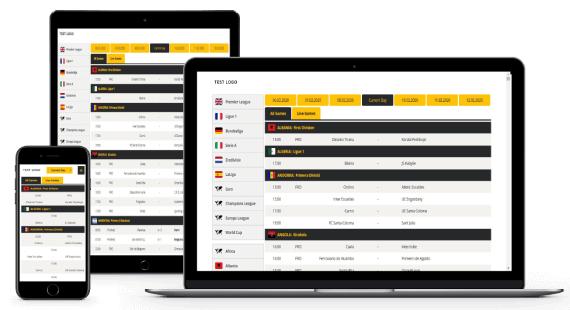
The following article provides detailed information about the top-notch sports APIs and their amazing features and perks for businesses.
In today’s data-driven world, real-time sporting information is more than a luxury. Sports Scores APIs are the backbone of the digital ecosystems running fantasy sports platforms, betting platforms, live sports applications, and sports news portals. These APIs enable entities and developers to have up-to-the-minute scores, player stats, team rankings, schedules, and live commentary across various sports, including cricket, basketball, football, and the like.
This article delves into the importance of Sports Scores APIs, especially considering IPL API data and API basketball—two of the most sought-after areas in the API marketplace.
What is a Sports Scores API?
It is a service channel that allows developers to integrate sports-related data into their applications. This may include live game scores, historical match data, statistics of teams and players, fixtures, league tables, and much more.
These APIs serve data collected from different sources- legitimate leagues, sports organizations, and broadcasters- in a perfect, neatly structured format like JSON or XML.
Why Use Sports Scores API?
The requirement for instantaneous and accurate sports data surged above the rising user expectations. Sports Scores APIs must be at your disposal, be it an app for a fantasy league, a news website, or a betting website. Some reasons why are:
· Real-time Updates: Uninterrupted flow of score updates and game highlights.
· Historical Data Access: Information on player and team stats of previous seasons.
· User Engagement: A better prospect of retention and engagement for your app via live content.
· Multi-sport Coverage: Covering sports like cricket, basketball, football, tennis, and more.
· Automated Alerts: Set alerts for match starts or finishes, score changes, red cards, or player injuries.
Features Offered by a Good Sports Scores API
In satisfying the needs of their user, an excellent Sports Scores API would promise:
· Complete Coverage: Other leagues and tournaments all around the world.
· High-Speed Delivery: Low latency data push allowing live match updates.
· Integration: RESTful APIs with really well-structured documentation.
· Customization: Filter options based on country, league, match status, or player statistics.
· Scalability: Able to maintain high traffic during any popular match or tournament.
Understanding IPL API Data
The Indian Premier League is one of the most-watched cricket leagues in the world, and IPL APIs are meant to gather full, real-time information about IPL matches.
What Does the IPL API Include?
The ideal IPL API provides finer, more structured data for:
· Match Schedules: Start Time, Venue, Match Status.
· Live Scores: Ball-by-ball updates, runs, wickets, and overs.
· Player Stats: Batting average, strike rate, bowling economy.
· Team Details: Squads, coaches, home grounds.
· Standings: Points table, net run rate, qualification status.
· Match Events: Sixes, fours, wickets, no-balls, and many more.
· Commentary Feed: Text-based play-by-play commentary.
Use of IPL API Data
· Fantasy Cricket Platforms: For castings of player selections.
· Cricket News Websites: For live scores and post-match analysis.
· Betting Portals: For real-time odds computation and predictions.
· Mobile Apps: Push notifications for favored teams or players.
General API-End Points Examples
/ipl/matches/today
/ipl/match/:id/score
/ipl/player/:id/stats
/ipl/team/:id/squad
API Basketball API Exploration
Basketball is another sport whose real-time data can be important, especially with leagues such as the NBA, EuroLeague, and NCAA drawing huge global attention.
What Does API Basketball Provide?
These API Basketball services offer data about basketball games and leagues, such as:
· Live Scores: Statistics by quarter, fouls, player stats, timeouts.
· Match Schedules: Upcoming games, past results.
· Team Information: Rosters, coaches, logos, win/loss records.
· Player Stats: Points, assists, rebounds, blocks, minutes played.
· League Standings: Divisional rankings, playoff seedings.
· Game Events: Three-pointers, dunks, substitutions, fouls.
Use Cases for API Basketball
· Live Scoreboards for Apps/Websites: Dynamic Score Updates.
· Sports Journalism: Analytical articles with player comparisons.
· Fantasy Sports: Player form insights and predictive analysis.
· Data Visualization: Charts and graphs indicating team progress and form.
Example API Endpoints (Generic Illustration)
/basketball/league/NBA/matches
/basketball/match/:id/statistics
/basketball/player/:id/performance
/basketball/team/:id/season-summary
Advantages of Sports API Integration
For broad audience-targeted platforms, pooling cricket, basketball, football, and tennis APIs into one dashboard will offer:
· One Unified Application: A single application, many sports.
· Engagement Opportunity: Content is diverse and has the potential to keep the users coming.
· Monetization Opportunities: Subscriptions, advertisements, premium access.
· Cross-Promotion between Sports: Promotion for users trying out other leagues or tournaments.
Technical Considerations for Sports Score API Integration
There are specific technical points to consider before integrating any sports data API:
1. Authentication:
Most APIs ask you to pass an API key with the authentication request; keep these keys stored securely.
2. Rate Limits:
APIs sometimes limit the number of requests per minute or hour; respect these in your application to minimize throttling.
3. Data Refresh Intervals:
Live data changes very often; seek APIs with data refreshes every 30 seconds or even less for real-time applications.
4. Cashing:
Use caching layers wherever possible for non-real-time data to reduce load on the API and increase response times.
5. Error Handling:
Handle all errors (like 429 Too Many Requests or 503 Service Unavailable) gracefully in your application with fallback mechanisms.
Best Practices for Displaying Sports Data
The day-to-day interplay between users and data APIs is the very bane of User Experience design. Some of the accepted good practices are:
· Responsive Design: Ensure the scoreboard and stat modules adapt to mobile and desktop views.
· Color Coding: Associate conventional colors for displaying information on win/loss, fouls, or wickets.
· Data Hierarchy: Give precedence to prominent stats such as scores, time left, and player performances.
· Interactive Elements: Add actions that allow users to click on a player or team to access more information.
· Dark Mode: The fans want to check scores late at night, so supporting dark mode is desirable.
The Future of Sports Scores APIs
With the advances in AI, ML, and predictive analytics, sports APIs are now shedding their scores and stats façade. The future spells out:
· Predictive Insights: Algorithms for predicting match results based on historical data.
· Augmented Reality: Live game stats superimposed during AR game streaming.
· Voice Integration: Ask your intelligent assistant, Alexa, or Siri for scores.
Post Your Ad Here
Comments