The Role of Connector Mold in Modern Manufacturing
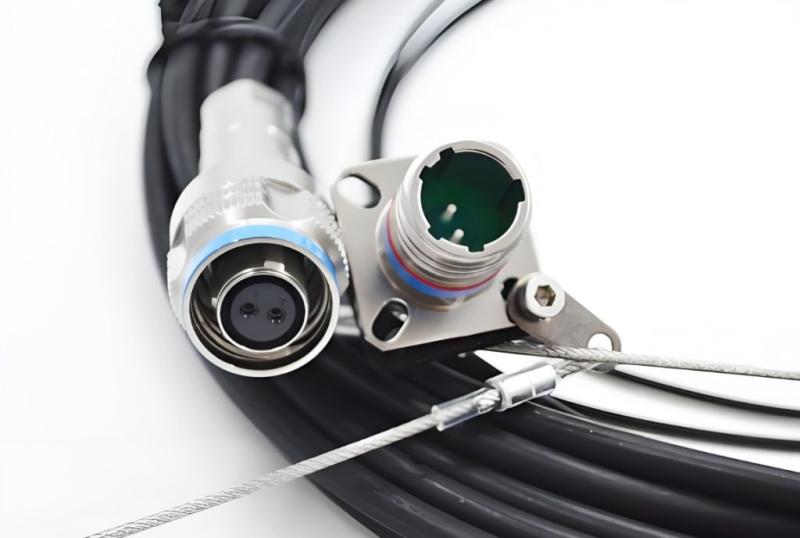
In today’s competitive industrial landscape, the ability to produce precise, reliable components at scale is more critical than ever. One vital part of this puzzle is something often hidden in the background: the connector mold. Though small in size and often overlooked, the mold behind a connector plays a massive role in ensuring that products across electronics, automotive, and communication sectors work exactly as intended.
How Connector Molding Supports Reliable Component Design
A connector mold is used to create the intricate shapes and structures of connectors found in nearly every electronic device or system. From mobile phones to electric vehicles, connectors link circuits, transmit data, and carry power. The molding process that shapes these connectors must meet incredibly tight tolerances to ensure the performance and durability of the final component.
The mold defines not only the external shape but also the internal structure and detail of each connector. This includes everything from pin positions and insulation barriers to the locking mechanisms that secure the connector in place. A minor flaw in the mold can result in faulty connectors that don’t fit, fail under stress, or cause electrical problems in the device they’re installed in.
To maintain reliability across millions of units, connector molds are typically made from hardened steels and go through high-precision CNC machining. They are also tested extensively before production begins to ensure they meet exact specifications.
The Importance of Mold Engineering in Product Lifecycle
Connector manufacturing doesn’t begin on the factory floor—it starts in the engineering room. The mold is designed with not only shape and size in mind, but also functionality, ease of production, cooling efficiency, and wear resistance. Each of these factors directly impacts how well the connector performs and how long the mold lasts.
Properly engineered molds also lead to fewer defects, which in turn means less downtime, lower scrap rates, and better product consistency. This is especially important in high-volume sectors like consumer electronics or automotive manufacturing, where delays or inconsistencies can be costly.
A well-maintained connector mold can operate for hundreds of thousands of cycles before needing refurbishment. However, the quality of materials and engineering design will ultimately determine how efficient and long-lasting the mold is.
Industries That Rely on Precision Molded Connectors
The need for robust and reliable connectors spans multiple industries. In the automotive world, they are essential for everything from power distribution to engine control systems. The slightest inconsistency in a connector could result in critical system failures.
In consumer electronics, the emphasis is on miniaturization and data integrity. With devices becoming smaller and faster, the demand for perfectly molded connectors has increased. In telecommunications, connectors facilitate the smooth transfer of high-frequency signals, and any defect can disrupt entire networks.
Medical technology also relies on molded connectors for equipment that supports or even saves lives. In such applications, the tolerance for error is virtually zero. A defective connector molded from an imprecise tool could compromise patient safety or device functionality.
A Decision, we recognize the wide-reaching importance of mold accuracy and quality. Our network provides trusted access to manufacturers who specialize in complex molding projects, ensuring your next development cycle is both efficient and dependable.
6 Mistakes to Avoid When Working with Connector Molds
Rushing through the mold design process can result in costly flaws that show up only after mass production starts. Taking time to properly simulate and prototype is always worth the effort.
Ignoring mold maintenance schedules leads to performance drops and inconsistent output. Mold care is a continuous responsibility, not a one-time task.
Choosing the wrong material for the mold may save money upfront but lead to early wear and failure. Materials must be selected based on expected production volume and component complexity.
Overlooking cooling channel design can result in uneven shrinkage, warping, or longer cycle times. Efficient cooling is as important as mold shape.
Underestimating connector complexity often results in overly simple molds that cannot meet detailed product requirements, especially in high-speed data or miniaturized electronics.
Working with an inexperienced mold maker increases the chances of long-term issues. Expertise matters when dealing with detailed connector parts.
How Fecision Supports Quality and Innovation
For businesses that want to scale their product manufacturing without compromising on quality, choosing the right partner for mold sourcing is essential. At Fecision, we help you navigate that process with confidence. Our platform connects you with experienced mold designers and manufacturers who specialize in precision molding, including for connectors used in demanding environments.
Whether you’re working on a new product launch or improving an existing assembly line, Fecision provides the tools, network, and guidance to make smart sourcing decisions. You can access expert design feedback, manage production workflows, and ensure timely delivery of custom tooling—all in one place.
Frequently Asked Questions
How long does a connector mold typically last?
It depends on the mold material and how well it’s maintained. High-grade molds can last hundreds of thousands to over a million shots if properly cared for.
Is it possible to modify a mold after it's been made?
Yes, minor adjustments can be made through re-machining, but significant changes often require redesigning and remaking the mold to avoid long-term issues.
What industries benefit most from precision-molded connectors?
Automotive, telecommunications, consumer electronics, and medical industries are among the biggest users, though virtually any modern manufacturing sector relies on them.
How long does it take to design and produce a new mold?
It usually takes 4–10 weeks, depending on complexity and production readiness. This includes CAD design, prototyping, machining, and quality testing.
Can Fecision help with urgent tooling needs?
Absolutely. Our team works with partners that offer expedited mold development for urgent project timelines. Visit our website to learn more or request a quote today.



Post Your Ad Here
Comments