How EMDR Can Reduce Depression Symptoms
There’s a kind of sadness that doesn’t show up loudly. It doesn’t come with tears every time or dramatic breakdowns. Instead, it moves slowly, like fog rolling in without warning, covering even the brightest parts of life. Some days feel empty. Other days feel too full. It takes more effort to smile, and sleeping is never restful. Even the simplest of tasks can feel impossibly large.
People who live with this kind of pain may not visibly go through it. There may not be anything broken, and yet on the inside, there is weight that is hard to name. For many, the roots of this deep sadness are tangled in the past. Moments that may have seemed small at the time. An unkind word, a betrayal, a loss, etc., can settle in and shape the way the mind sees the world.
This is where
EMDR in Calabasas has
found its place. While it began as a method for helping those who lived through
traumatic experiences, it has gradually become known for something more. It’s
helping people who struggle with depression that seems tied to unresolved
memories or emotional injuries. Here is how it helps reduce depression
symptoms.
Being Aware of the Root
Cause
Depression isn’t always caused by a single event. Often, it builds over time, one experience stacked on top of another. Sometimes, the pain is linked to a specific memory. Other times, the cause is harder to trace. What’s common, though, is the presence of deep emotional impressions that shape how life is felt and lived.
Certain beliefs can take root early. Thoughts like “I’m not good enough” or “nothing ever gets better” may start quietly but become the background music of everyday life. Even without realising it, a person might start to live in a way that confirms those beliefs. Opportunities get passed over. Relationships feel unsafe. The world looks grey, even on sunny days.
Traditional
talk therapies offer a space to explore these thoughts. And while that helps
many, others find they can explain their pain perfectly and still feel stuck.
That’s because depression doesn’t always live in thoughts. It often lives in
the body, in the emotional memory, in places that talking alone can’t always
reach. For many individuals, EMDR in
Calabasas can prove to be the ideal solution.
EMDR Works When Words Can’t
Some forms of therapy rely on describing every thought, every feeling. But not everyone is ready for that. And sometimes, the words don’t come at all. EMDR doesn’t depend on the ability to explain everything. It works through the brain’s natural healing processes, even when silence is present.
This makes it especially valuable for those who feel exhausted by explaining their pain. EMDR in Calabasas offers a different kind of healing, not one that pushes, but one that gently invites. And that invitation can lead to a sense of relief that talking never reached.
People often
say they don’t understand why it works, but they can feel the difference. Fewer
tears for no reason. Less irritation over small things. A bit more energy in
the morning. These aren’t dramatic shifts. But they’re real. They’re the kind
of quiet changes that add up to something powerful over time.
Leaving the Bad Memories
Behind
Some memories maintain an emotional charge that feels as if they are happening again through fearful, shameful, or guilty feelings. When memories stay, they can trap the mind by replaying the incidents, leaving people stuck.
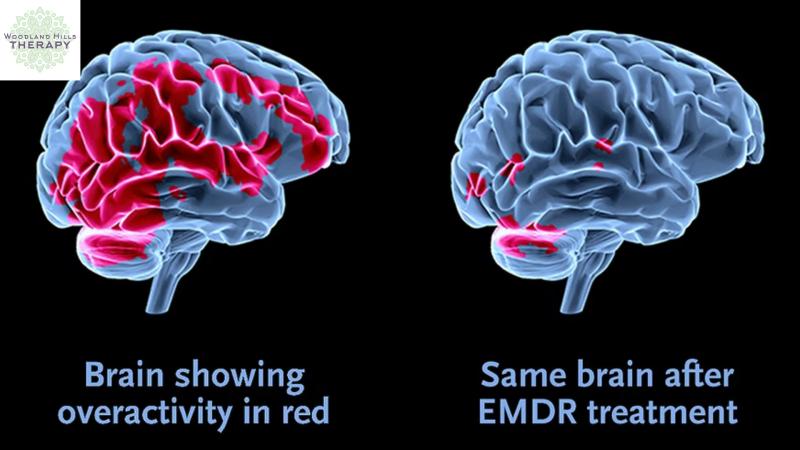
EMDR helps release this charge by guiding the brain to store these memories in a way that recognises them as part of the past. When that happens, the emotional intensity fades. The pressure in the chest subsides, and the sense of danger proves less intense.
This opens
the door for rest and eases into peace. Every day life may not feel as
overwhelming. Small moments of joy, like a walk or calmness in a conversation
(which are mostly taken for granted), can return. These may seem like
insignificant moments, but they are signs of deep healing at work.
Additionally, people with anxiety should not ignore the value of Anxiety therapy in Calabasas.
Conclusion
Recovering
from depression is rarely an immediate experience, but is instead often a
process in which days of darkness slowly turn to days of light. EMDR helps to
facilitate this kind of opening to healing. It shifts the past into a different
context, allowing a fresh start not by eliminating the past, but by making
peace with it. And in that peace, there is freedom.

Post Your Ad Here
Comments