Unlock Real-Time Match Updates Using a Livescore Football API
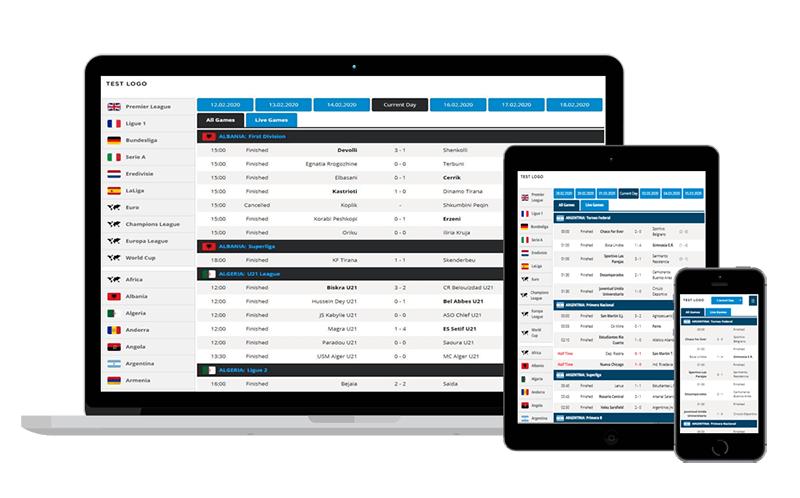
The following article will explain how Livescore Football API transforms apps, websites, and sports platforms by providing accurate, up-to-the-second football data.
Instant updates, correct data, and a smooth user experience are critical to fans and developers in the fast-moving football world. Build a fantasy sports platform, a live scores site, or a mobile app, but delivering real-time match updates is no longer optional; it is now a must. That is when a Livescore Football API is required. This strong tool allows developers to retrieve live match data, player statistics, league standings, etc. It enables them to bring state-of-the-art applications to the world football audience.
What Is a Livescore Football API?
A Livescore Football API is an application program interface that supplies users with real-time game information of a football match. Application programming interfaces (APIs) connect data providers with end-user applications. Using Livescore API, you can pull live match results, the team lineups and goal scorers, yellow/red cards, substitutions, and minute-by-minute commentary. These APIs stream live match data directly from official feeds, scouts, or are assisted by AI data collectors.
Why Real-Time Match Updates Matter
Real-time updates are critical in today's digital era. Here's why:
Engagement: Live data keeps users glued to your app or website. The faster and more accurate your updates, the more loyal your audience becomes.
Monetization: Live stats power fantasy sports, betting platforms, and in-game advertising, all of which depend on up-to-the-second accuracy.
Global Reach: Football is the world's most popular sport, and real-time APIs allow you to deliver content instantly across different time zones and regions.
Competitive Edge: Businesses offering faster and more comprehensive live data stay ahead of the competition.
Key Features of a Good Livescore Football API
Not all APIs are created equal. When evaluating a Livescore football API, consider the following essential features:
1. Live Score Updates
This is the core functionality. You need minute-by-minute updates that reflect current goals, fouls, halftime/fulltime scores, and stoppage times.
2. Event Timeline
A detailed timeline with match events (such as goals, cards, and substitutions) gives users a clear picture of the game's progression.
3. Player and Team Stats
Comprehensive data like player performance, team form, head-to-head comparisons, and season stats add depth to the fan experience.
4. Multi-League Support
The best APIs cover top global leagues (e.g., Premier League, La Liga, Serie A) and minor domestic leagues, international tournaments, and friendlies.
5. Fast Refresh Rate
Look for an API that refreshes data every few seconds. Delays in data delivery can lead to user dissatisfaction, especially in betting or fantasy platforms.
6. Historical Data
Besides live updates, historical match data is essential for analytics, trends, and pre-game insights.
7. Easy Integration and Documentation
APIs should come with clear, developer-friendly documentation, SDKs, and sample code snippets to simplify integration into your platform.
8. Scalability and Reliability
Your chosen API provider should handle high traffic during peak match times without crashing or slowing down.
Use Cases for Livescore Football APIs
The flexibility of Livescore APIs makes them valuable across different industries. Let's explore a few popular applications:
1. Sports Websites and Mobile Apps
Platforms like SofaScore, FlashScore, or OneFootball rely heavily on real-time APIs to deliver live match feeds, score alerts, and post-match analysis.
2. Fantasy Football Platforms
Real-time stats help fantasy players make crucial decisions during matchdays. Accurate player performance metrics, goal counts, and assists feed directly into fantasy scoring systems.
3. Betting Platforms
Online sportsbooks use Livescore APIs to synchronize betting odds with live events. The odds shift instantly if a goal is scored or a player is sent off.
4. Media and Broadcasting
TV channels and digital media outlets use APIs to enrich coverage with live stats, player heatmaps, and commentary integration.
5. Chatbots and Smart Assistants
Developers can integrate APIs into voice assistants like Alexa or chatbots to provide on-demand football updates via voice or messaging platforms.
How to Integrate a Livescore Football API
Here's a simplified step-by-step process:
Register and Get API Key: Sign up on the platform and receive a unique API key for authentication.
Review API Documentation: Understand available endpoints, request limits, and data formats (usually JSON).
Set Up Your Environment: Use your preferred tech stack (JavaScript, Python, PHP, etc.) and test API requests using tools like Postman or cURL.
Fetch and Display Data: Integrate endpoints into your application to display live scores, player stats, etc.
Handle Errors and Rate Limits: Ensure your app gracefully manages API errors, such as timeouts or exceeded limits.
Tips to Maximize the Power of Your API Integration
Cache Frequently Accessed Data: Reduce API calls by caching static data like team logos or season fixtures.
Push Notifications: The API triggers real-time alerts for goals, match start, or full-time results.
Localization: Customize your app for different languages and regions using API metadata.
Combine with Other APIs: Pair Livescore data with weather, location, or ticketing APIs for a richer fan experience.
Monitor Performance: Use logging and analytics to track API usage and system uptime.
Final Thoughts
Real-time football updates are the heartbeat of modern fan engagement. Whether you're an app developer, data analyst, media outlet, or sports entrepreneur, a Livescore API gives you the power to deliver immersive, up-to-the-second content. From goal alerts to match analytics, these APIs are changing how we experience football online.
Post Your Ad Here
Comments