Why Knowing the Types of Fibroids Matters for Your Health
Uterine
fibroids are one of the most common health conditions affecting women, yet many
are unaware of how these growths can impact their lives. Understanding the
types of fibroids is crucial for women, as it can help you make informed
decisions about your health, treatment options, and overall well-being. At USA
Fibroid Centers, we believe that knowledge is power when it comes to fibroid
management, and in this article, we’ll discuss why knowing the different types
of fibroids matters for your health.
What Are Uterine Fibroids?
Uterine fibroids
are non-cancerous growths that develop in the uterus. These growths vary in
size, shape, and location. While some women with fibroids may experience no
symptoms, others may suffer from heavy bleeding, pelvic pain, frequent
urination, or complications during pregnancy. Understanding the different types
of fibroids is the first step in identifying the right treatment path and
addressing any concerns.
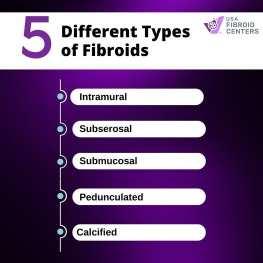
The Different Types of Fibroids
Fibroids can
develop in various parts of the uterus, and their impact on your health will
depend on where they are located. The three main types of fibroids are:
1.
Intramural Fibroids
These are the
most common type of fibroid. Intramural fibroids grow within the wall of the
uterus. They can vary in size and often cause symptoms like heavy menstrual
bleeding, pelvic pain, or pressure on nearby organs. In some cases, they can
also lead to infertility or complications during pregnancy.
2.
Subserosal Fibroids
Subserosal fibroids develop on the
outer wall of the uterus and can grow large enough to push against other
organs, leading to symptoms such as bloating or abdominal pain. While they may
not always affect menstruation, their location can cause discomfort or
difficulty during intercourse. These fibroids are often diagnosed when they
press against the bladder or rectum.
3.
Submucosal Fibroids
These
fibroids grow just beneath the uterine lining and are the least common but can
have the most severe impact on a woman’s reproductive health. Submucosal
fibroids can cause heavy menstrual bleeding, prolonged periods, and can affect
fertility. They may also lead to miscarriages or complications during
childbirth. Women who experience these symptoms should consult a specialist to
discuss potential treatment options.
4.
Pedunculated Fibroids
Pedunculated
fibroids are attached to the uterine wall by a stalk or stem-like structure.
These fibroids can be either subserosal or submucosal. They are often
associated with a twisting sensation or severe pain if the stalk becomes
twisted. Though they are less common, they can still significantly affect your
health if left untreated.
Why It Matters to Know the Type of Fibroid
Understanding
the type of fibroid you have is essential for several reasons:
Tailored
Treatment Options: Each type of fibroid responds
differently to treatments. For example, submucosal fibroids may require more
invasive treatments like surgery, while subserosal fibroids might be managed
with less invasive methods like Uterine Fibroid Embolization (UFE). Knowing the
type of fibroid can help doctors recommend the most effective treatment.
Fertility
Concerns: Some fibroids can interfere with
conception, especially submucosal fibroids that affect the uterine lining.
Recognizing the type of fibroid can help women who are trying to conceive
understand their options for treatment to enhance fertility.
Managing
Symptoms Effectively: The location and size of
fibroids can influence the severity of symptoms. Identifying the type of
fibroid can help women manage symptoms more effectively, whether that’s through
medication, lifestyle changes, or medical procedures.
Reducing
the Risk of Complications: Knowing your fibroid type can
also minimize the risk of complications during pregnancy or childbirth. Women
with large or multiple fibroids may experience a higher risk of preterm labor
or cesarean sections, and early detection allows for more proactive care.
The Role of Uterine Fibroid Embolization (UFE)
At USA
Fibroid Centers, we specialize in non-surgical treatments for uterine fibroids,
including Uterine
Fibroid Embolization (UFE). UFE is a minimally invasive procedure that can
treat most types of fibroids effectively. This treatment works by cutting off
the blood supply to the fibroids, causing them to shrink over time. It’s an
excellent option for women who want to avoid surgery and recover quickly with minimal
downtime.
Conclusion
Understanding
the types of fibroids and their potential impact on your health is the first
step in taking control of your reproductive health. With the right knowledge,
you can work with your healthcare provider to find the best treatment options
and take proactive steps toward managing your fibroids effectively. If you
suspect you have fibroids or are experiencing symptoms, don’t wait to get help.
Schedule your
free consultation today to learn more about our advanced, non-surgical
treatments, including UFE, and how we can help improve your quality of life.
Post Your Ad Here
Comments