The Different Types of Fibroids: Insights and Opinions on Your Health
Uterine
fibroids are common, non-cancerous growths that develop in or around the
uterus. Understanding the types
of fibroids is essential for anyone seeking to manage their reproductive
health. In this article, we’ll share insights into the different fibroid types,
their impact, and why it’s crucial to address them effectively.
What Are Fibroids?
Fibroids,
also known as leiomyomas or myomas, are made up of muscle and fibrous tissue.
They vary in size, shape, and location within the uterus. These growths can
often be asymptomatic, but when symptoms do occur, they can include heavy
menstrual bleeding, pelvic pain, frequent urination, and difficulty during
pregnancy. Understanding the different types of fibroids can help in deciding
the most effective course of action for treatment.
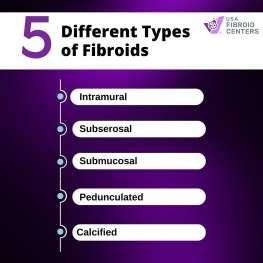
Types of Fibroids
Fibroids are
classified based on where they are located within the uterus. Here are the most
common types:
1.
Intramural Fibroids
Intramural
fibroids are the most common type. They form within the muscular wall of the
uterus. These fibroids may not protrude into the uterine cavity but can cause
the uterus to enlarge. When they grow large, they may lead to pelvic pain,
heavy menstrual bleeding, and a feeling of fullness in the lower abdomen.
2.
Submucosal Fibroids
Submucosal
fibroids grow just beneath the inner lining of the uterus (the endometrium).
They can protrude into the uterine cavity and often cause heavy menstrual
bleeding, prolonged periods, and fertility issues. Due to their location, they
are more likely to interfere with pregnancy and may lead to complications like
miscarriage.
3.
Subserosal Fibroids
Subserosal
fibroids develop on the outer surface of the uterus. These fibroids do not
typically affect the menstrual cycle but can cause discomfort, especially if
they grow large. They may press on adjacent organs, leading to symptoms such as
pelvic pain, bloating, and constipation.
4.
Pedunculated Fibroids
Pedunculated
fibroids are a subtype of subserosal fibroids, attached to the uterus by a thin
stalk. They can be located inside or outside the uterus. When pedunculated
fibroids twist or move, they can cause severe pain, leading to the need for
immediate medical attention.
Impact on Health and Quality of Life
While
fibroids are generally benign, they can significantly affect a woman's quality
of life. Symptoms like excessive bleeding, frequent urination, and pelvic
pressure can interfere with daily activities, causing discomfort and emotional
distress. In severe cases, fibroids can also lead to infertility or
complications during pregnancy, including preterm labor or placental abruption.
Fortunately,
there are treatment options available, including non-surgical methods such as
Uterine Fibroid Embolization (UFE), which can effectively shrink fibroids
without the need for invasive surgery.
Why It's Crucial to Address Fibroids Early
Understanding
the type and severity of your fibroids is key to managing them effectively.
Early detection and treatment can prevent complications down the line, such as
anemia from excessive bleeding or the need for more invasive procedures.
Seeking medical advice when you notice symptoms like heavy periods, pelvic
pain, or bloating can help you make informed decisions about your treatment
options.
Uterine Fibroid Embolization (UFE) as a
Non-Surgical Treatment Option
One of the
most effective non-surgical treatments for fibroids is Uterine Fibroid
Embolization (UFE). This procedure involves blocking the blood vessels that
supply the fibroids, causing them to shrink. UFE offers a minimally invasive
alternative to traditional surgery, with a shorter recovery time and fewer
risks. For many women, UFE provides significant relief from fibroid symptoms and
an improved quality of life.
If you are
experiencing symptoms related to fibroids, it’s important to consult a
specialist who can help determine the best course of action based on the type
of fibroids you have. At USA Fibroid Centers, we offer UFE as a highly
effective treatment that could be the right solution for you.
Conclusion
Fibroids are
a common but often misunderstood condition. By understanding the different
types and their potential impacts on your health, you can make informed
decisions about your treatment options. Whether you are experiencing symptoms
or just want to learn more about fibroids, it's essential to seek expert advice
and explore all available treatments.
Schedule Your Free Consultation Today
If you think
you may have fibroids or are dealing with symptoms, don’t wait. Our experts are
here to help you understand your options and provide tailored, effective
treatments.
Click here to
learn more about our advanced, non-surgical treatments.
Call or book
online now.
Post Your Ad Here
Comments