What Are the Types of Fibroids and How Can You Manage Them?
Fibroids are
common, non-cancerous growths that develop in or around the uterus, affecting a
significant number of women. Despite their prevalence, many women are unaware
of the different types
of fibroids that can develop. Understanding these types can empower women
to make informed decisions about their health and treatment options.
At USA
Fibroid Centers, we specialize in non-surgical treatments, like Uterine Fibroid
Embolization (UFE), that help women regain control of their lives. In this
opinion piece, we explore the various types of fibroids, shedding light on
their unique characteristics and the importance of addressing them with the
right approach.
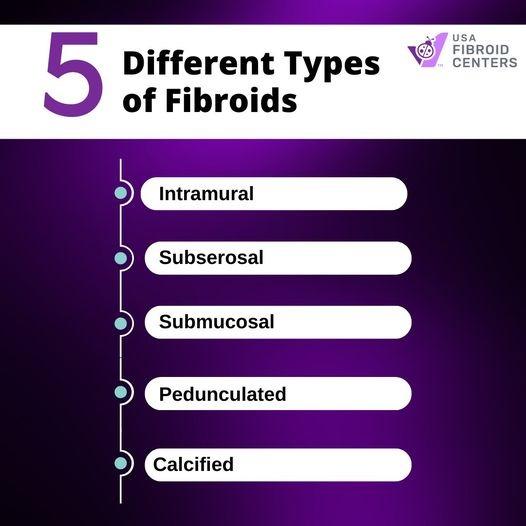
Types of Fibroids: A Closer Look
Fibroids are
categorized based on their location in the uterus. Each type comes with its own
set of symptoms and treatment challenges. The major types of fibroids include:
1. Submucosal
Fibroids
Submucosal
fibroids are located just beneath the inner lining of the uterus. These
fibroids are often linked to heavy bleeding and painful periods. Because they
are situated close to the uterine lining, they can affect a woman's fertility
and may cause complications during pregnancy. Women with submucosal fibroids may
experience symptoms such as heavy menstrual bleeding and difficulty conceiving.
2. Intramural
Fibroids
The most
common type of fibroids, intramural fibroids develop within the muscular wall
of the uterus. While they may not always cause symptoms, when they do, women
often experience pelvic pain, pressure, and abnormal bleeding. Intramural
fibroids can also impact fertility, depending on their size and location within
the uterus.
3. Subserosal
Fibroids
These
fibroids grow on the outer wall of the uterus and can become quite large.
Because of their location, subserosal fibroids can cause significant pressure
on surrounding organs, leading to symptoms such as back pain, frequent
urination, and constipation. While they may not affect fertility as much as submucosal
or intramural fibroids, they can still cause significant discomfort.
4.
Pedunculated Fibroids
Pedunculated
fibroids are a subtype of subserosal fibroids that are attached to the uterus
by a stalk or "peduncle." These fibroids can twist or move, causing
acute pain or discomfort. While they are less common, they can still result in
complications such as severe pelvic pain or bloating.
Why Understanding Fibroid Types Matters
Understanding
the different types of fibroids is critical for choosing the right treatment.
Some fibroids may not require immediate treatment, while others may cause
severe symptoms that require medical intervention. Non-surgical options like
Uterine Fibroid Embolization (UFE) have become a popular and effective
treatment for many women suffering from fibroids. UFE targets fibroids and
shrinks them without the need for invasive surgery, providing women with a
faster recovery time and fewer risks.
At USA
Fibroid Centers, we are committed to educating women about the types of fibroids
and empowering them to take control of their health. Through our
patient-centered approach, we aim to provide effective, non-surgical solutions
to improve the quality of life for women with fibroids.
The Importance of Seeking Treatment
While some
fibroids are asymptomatic, others can cause debilitating symptoms that affect a
woman’s day-to-day life. If you are experiencing heavy menstrual bleeding,
pelvic pain, or other symptoms related to fibroids, it’s important to seek
medical advice. Early detection and treatment can help prevent complications
and improve overall well-being.
At USA
Fibroid Centers, we believe that every woman deserves access to accurate
information and effective treatment options. Our team of experts is dedicated
to providing non-invasive solutions that prioritize the health and comfort of
our patients.
Conclusion
Fibroids are
a common condition, but they don't have to control your life. By understanding
the different types of fibroids and the treatment options available, women can
take the necessary steps toward better health. At USA Fibroid Centers, we’re
here to help you explore non-surgical treatments like Uterine Fibroid
Embolization (UFE) to manage your fibroids and reclaim your life.
Schedule Your
Free Consultation Today
Click here to
learn more about our advanced, non-surgical treatments.
Post Your Ad Here
Comments