Troubleshooting Common Concrete Pool Issues in Melbourne
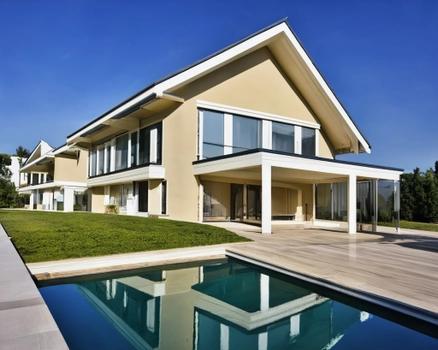

Concrete pools are a popular choice for homeowners in Melbourne, offering durability, flexibility in design, and long-term value. However, like all pools, they can encounter issues over time. Understanding how to troubleshoot common concrete pool problems can save both time and money. Whether you're dealing with structural cracks or equipment malfunctions, here’s a guide to help you identify and resolve the most frequent concrete pool issues in Melbourne.
1. Cracks in the Pool Surface
Cracks are one of the most common problems faced by concrete pool owners. They can occur due to several factors, including settling of the ground, temperature changes, or improper installation. In Melbourne’s fluctuating climate, where the heat can be intense during summer and cooler in winter, these cracks can become more pronounced.
Troubleshooting:
Hairline Cracks: Small hairline cracks are generally not a major concern but should still be sealed to prevent water loss and further damage. Use a pool-specific epoxy sealant to fill them.
Larger Cracks: If the crack is larger and water is leaking from the pool, it’s crucial to assess the severity. If the crack is structural, you may need to consult a professional pool contractor to perform a thorough inspection and repair.
2. Leaking Pool
A leaking concrete pool can be a frustrating problem, especially in Melbourne’s hot summer months, when evaporation naturally causes water loss. Leaks can result from cracks, plumbing issues, or faulty equipment, and identifying the source of the leak is the first step in fixing it.
Troubleshooting:
Visual Inspection: Start by visually inspecting the pool’s surface for cracks or noticeable damage. If there are no visible cracks, inspect the equipment, such as the pump, filter, and skimmer, for signs of leakage.
Dye Test: To pinpoint the location of the leak, try using a dye test. Place a small amount of pool dye near suspected areas of leakage. If the dye is drawn into the crack or joint, it’s an indication of where the problem lies.
Consult a Professional: If you can’t locate the leak or the damage appears to be extensive, it’s best to hire a professional pool technician to locate and repair the issue.
3. Pool Surface Staining

Stains on a concrete pool can make your backyard retreat look less inviting. These stains can be caused by several factors, including rust, algae, or chemical imbalances. In Melbourne, the water hardness, combined with high humidity in summer, can make pools more susceptible to staining.
Troubleshooting:
Identify the Stain Type: The first step in removing stains is identifying the cause. Organic stains (such as algae) can often be removed with a chlorine treatment. Metal stains (such as rust or copper) may require an acid wash or a special metal stain remover.
Regular Cleaning and Chemical Balance: Regular brushing of the pool walls and maintaining proper chemical balance will help prevent staining. Ensure your pH levels, alkalinity, and calcium hardness are within the recommended range to avoid problems.
4. Pool Equipment Malfunctions
Your concrete pool’s filtration and circulation system is key to its proper functioning. A malfunctioning pump, filter, or heater can lead to dirty water, increased chemical use, and higher utility costs. Common issues with pool equipment in Melbourne may include clogged filters, pump failure, or issues with heating systems during cooler months.
Troubleshooting:
Check the Pump: If your pump isn’t circulating water properly, check the power source, pump impeller, and hoses for blockages. A clogged pump basket is a common issue, so make sure to clean it regularly.
Inspect the Filter: A dirty or malfunctioning filter can cause poor water circulation. Clean or replace the filter cartridges, or backwash your sand filter as needed.
Heater Problems: If your pool heater isn’t working, check the thermostat settings, and ensure the unit is not blocked or dirty. In some cases, the heater may need professional repair.
5. Pitting and Etching
Over time, the surface of a concrete pool can develop pitting or etching, which are small holes or worn areas caused by harsh pool chemicals or improper maintenance. This can lead to a rough pool surface and an unpleasant swimming experience.
Troubleshooting:
Preventive Maintenance: To avoid pitting and etching, regularly maintain the chemical balance in the pool and avoid overuse of acid-based cleaners.
Repairs: Minor pitting can be repaired by resurfacing the pool with a new layer of plaster or pebblecrete. For larger areas of etching, resurfacing or re-plastering the entire pool may be necessary.
6. Algae Growth

Algae can thrive in concrete pools, especially if the pool’s water circulation is poor or if the chemical levels are unbalanced. In Melbourne’s warmer months, algae growth can quickly become a problem due to the high temperatures and sun exposure.
Troubleshooting:
Shock the Pool: Use a pool shock treatment to quickly eliminate algae. Ensure that your pool’s chlorine levels are adequate to prevent future outbreaks.
Improve Circulation: Regularly clean the pool’s skimmer and ensure that the pump is working efficiently to improve water circulation, as stagnant water can encourage algae growth.
Conclusion
Maintaining a concrete pool in Melbourne requires attention to detail and a proactive approach to troubleshooting. From cracks in the surface to equipment malfunctions, being able to identify and address common pool issues will ensure that your concrete pool stays in excellent condition for years. Regular maintenance, proper chemical balance, and timely repairs can help you enjoy your pool all year round. If you're ever unsure about the extent of an issue, don’t hesitate to reach out to a professional pool technician to ensure that your pool remains a safe and inviting retreat for you and your family.
Post Your Ad Here
Comments