Choosing Between Uterine Artery Embolization and Uterine Fibroid Embolization: What You Should Know
When it comes to treating uterine
fibroids, women often face a decision about which method is best for their
health and lifestyle. Two common non-surgical treatment options are uterine
artery embolization (UAE) and uterine fibroid embolization (UFE). While these
procedures are frequently used interchangeably, it’s important to understand
their differences, benefits, and how they can impact your health and recovery.
In this article, we’ll explore both options and help you understand which might
be right for you.
What is Uterine Artery Embolization
(UAE)?
Uterine
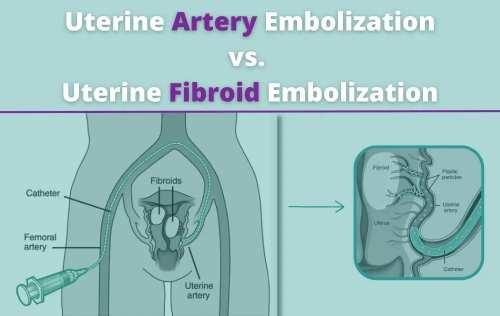
artery embolization (UAE) is a minimally invasive procedure that involves
blocking the blood vessels (arteries) that supply blood to the fibroids in the
uterus. By reducing blood flow, the fibroids shrink, which helps alleviate the
symptoms associated with fibroids, such as heavy bleeding, pelvic pain, and
pressure.
During the procedure, a specialist
inserts a catheter into a blood vessel, typically through the groin, and guides
it to the uterine arteries. Tiny particles are then released to block the blood
flow to the fibroids, causing them to shrink and often disappear over time.
What is Uterine Fibroid
Embolization (UFE)?
Uterine fibroid embolization (UFE)
is essentially another name for uterine artery embolization, with the focus
specifically on fibroid treatment. In UFE, the procedure is the same as UAE,
but it’s emphasized that the primary goal is to target fibroid tissue. The
procedure involves the same technique of blocking the arteries feeding the
fibroids, which results in the shrinkage of fibroids and a reduction in
symptoms.
Key Differences: UAE vs. UFE
While both terms refer to the same
general procedure, uterine fibroid embolization (UFE) is a more specific term,
emphasizing the treatment of fibroids, while uterine artery embolization (UAE)
may be used more generally to describe embolization procedures targeting the
uterus. In practice, the terms are often used interchangeably when treating
fibroids, so there’s no significant difference in how the procedure is
performed.
Why Choose UAE/UFE?
1. Non-Surgical Treatment
UAE/UFE is a non-invasive
procedure, meaning there are no incisions required, which significantly reduces
recovery time compared to traditional surgery. This is especially beneficial
for women who want to avoid the risks and long recovery associated with a
hysterectomy or myomectomy.
2. Preserves the Uterus
Unlike hysterectomy, which removes
the entire uterus, UAE/UFE preserves the uterus, making it a suitable option
for women who wish to retain their fertility or who simply prefer to keep their
uterus intact.
3. Quick Recovery
One of the main benefits of UAE/UFE
is the relatively quick recovery time. Most women can return to their daily
activities within a week, as opposed to the several weeks of recovery typically
required after a traditional surgery. This makes it an appealing option for
busy women who want to get back to their routines as quickly as possible.
4. Effective Results
Studies show that both UAE and UFE
are highly effective in reducing the symptoms of fibroids, such as heavy
bleeding, pelvic pain, and frequent urination. In many cases, the symptoms
improve significantly within the first few months following the procedure.
Are There Any Risks?
As with any medical procedure,
there are some risks associated with UAE/UFE. These include:
Infection or bleeding at the
catheter insertion site
Premature menopause (rare, but
possible)
Pain or cramping after the
procedure
Rarely, the procedure may not fully
shrink the fibroids
However, these risks are generally
minimal, and the benefits often outweigh the potential downsides, especially
for women looking for a non-surgical solution to fibroid issues.
Is UAE/UFE Right for You?
UAE/UFE is a great option for many
women suffering from uterine fibroids, but it may not be suitable for everyone.
The best way to determine if this procedure is right for you is by consulting
with a healthcare provider who specializes in fibroid treatment. They can
evaluate your symptoms, overall health, and personal preferences to recommend
the best treatment plan for your needs.
Conclusion
Whether you’re considering uterine artery embolization (UAE) or uterine fibroid embolization (UFE), both procedures offer a safe, effective, and minimally invasive alternative to traditional fibroid surgery. They preserve the uterus, reduce recovery time, and provide long-lasting relief from fibroid symptoms. If you’re struggling with uterine fibroids, it’s important to explore all your options and consult with a healthcare professional to find the best solution for your unique situation.
If you’re considering non-surgical
fibroid treatments, schedule your free consultation today to learn more about
our advanced options for managing fibroids.
Post Your Ad Here
Comments