How to Monitor & Prevent Data Exfiltration
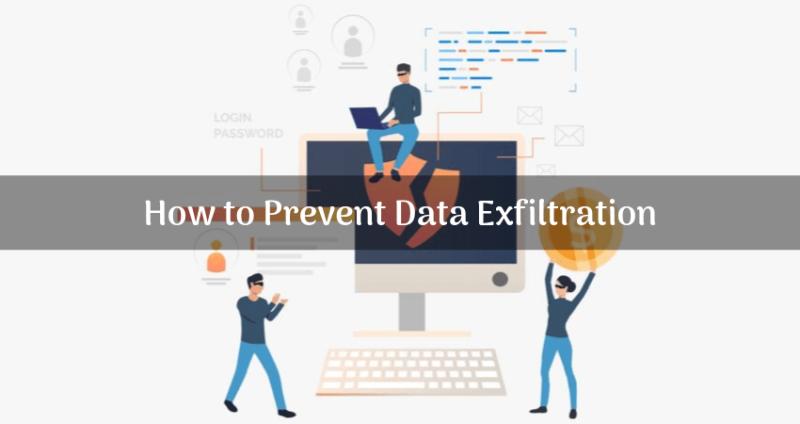
In today's digital-first world, securing sensitive data is more critical than ever. Whether you're managing an organization, working remotely, or handling customer data, protecting your digital assets from unauthorized access is non-negotiable. One of the most dangerous and often overlooked cyber threats is data exfiltration.
Data exfiltration, also known as data theft or data extrusion, occurs when sensitive data is transferred from a system without authorization. It could be malicious insiders, external attackers, or even compromised endpoints doing the damage. In this blog, we'll dive deep into how you can monitor and prevent data exfiltration effectively.
If you're passionate about learning the tools and techniques needed to tackle such cyber threats, enrolling in Ethical Hacking Courses in Mumbai can give you the hands-on experience needed to stay ahead of attackers.
What is Data Exfiltration?
Data exfiltration is the unauthorized transfer of data from your computer or network to another location. It could be sensitive customer information, intellectual property, or internal communications. Threat actors often use malware, phishing, or insider access to carry out these attacks.
The most troubling aspect? These activities can go unnoticed for days, weeks, or even months if proper monitoring and security controls aren’t in place.
Why You Should Care About Data Exfiltration
Whether you're a business owner, IT administrator, or cybersecurity enthusiast, you must understand the financial and reputational damage that data exfiltration can cause. Once your data is out, it's impossible to get it back. Even worse, your organization could face compliance issues, lawsuits, and loss of customer trust.
Real-World Examples
Capital One (2019): Over 100 million customer records were stolen due to a misconfigured firewall.
Sony Pictures (2014): Attackers leaked confidential data including employee details and unreleased films.
Equifax (2017): Sensitive data of over 147 million people was exfiltrated.
How to Monitor Data Exfiltration
To combat data exfiltration, the first step is knowing when it's happening. Here's how you can keep a close eye on your data.
1. Implement Data Loss Prevention (DLP) Tools
DLP solutions monitor and control data movement across your network. They identify sensitive data and ensure it doesn't leave your organization in an unauthorized manner.
Pro Tip: Set policies for email, cloud storage, and USB ports to block potential exfiltration points.
2. Analyze Network Traffic
Unusual spikes in outbound traffic can be a red flag. Use intrusion detection systems (IDS) and security information and event management (SIEM) tools to monitor network behavior.
3. Monitor User Behavior
Behavioral analytics tools help detect anomalies in user actions. If an employee suddenly starts downloading massive files, it's a sign worth investigating.
4. Use File Integrity Monitoring (FIM)
FIM tools alert you when files are altered, accessed, or deleted in unexpected ways. .
How to Prevent Data Exfiltration
Once you're monitoring your systems, the next step is prevention. Here’s what you can do to fortify your defenses.
1. Implement Role-Based Access Controls (RBAC)
Not every employee needs access to all data. Restricting access based on roles significantly reduces the chances of internal leaks.
2. Conduct Regular Security Audits
Periodic assessments help identify vulnerabilities before they can be exploited. Include audits for your firewall rules, endpoint configurations, and cloud storage permissions.
3. Encrypt Sensitive Data
Data at rest and in transit should be encrypted. Even if data is exfiltrated, encryption adds a layer of protection that can make the data useless to attackers.
4. Educate Employees
Most breaches happen due to human error. Conduct cybersecurity awareness programs to train employees on phishing, social engineering, and secure data handling.
Advanced Strategies for Proactive Defense
Now that we've covered the basics, let's explore some advanced tactics you can deploy for added security.
1. Honeypots and Deception Technologies
Set traps for attackers by deploying decoy systems and files. When accessed, these honeypots alert you of unauthorized activity.
2. Endpoint Detection and Response (EDR)
EDR solutions provide real-time monitoring and analysis of endpoint activities. They help detect suspicious behavior and automate incident response.
3. Zero Trust Architecture
Assume nothing and verify everything. This approach ensures that every user and device is authenticated before accessing resources.
4. Insider Threat Programs
Identify high-risk users and implement additional monitoring. Look for behavioral changes and implement multi-factor authentication (MFA).
Building a Cybersecurity Career with the Right Training
If you're serious about mastering these techniques and entering the cybersecurity field, now is the best time to invest in yourself.
Industry-recognized certifications
Hands-on labs and real-world simulations
Career mentorship and job placement support
Exposure to tools like Wireshark, Metasploit, Burp Suite, and more
Courses like these often include modules specifically focused on data exfiltration, intrusion detection, and network forensics.
Conclusion: Stay One Step Ahead of Attackers
Data exfiltration is one of the most damaging forms of cyberattacks, but with the right monitoring tools and preventive strategies, you can protect your organization and data assets effectively.
If you're ready to take your skills to the next level, start by enrolling in the Best Cyber Security Course with Placement Guarantee in Mumbai. These programs don’t just teach you how to defend—they prepare you to lead the charge in the ever-evolving field of cybersecurity.
Have questions or thoughts about data exfiltration? Drop a comment below and join the conversation!
Post Your Ad Here
Comments