Essential Safety Equipment in a Laboratory: A Complete Guide
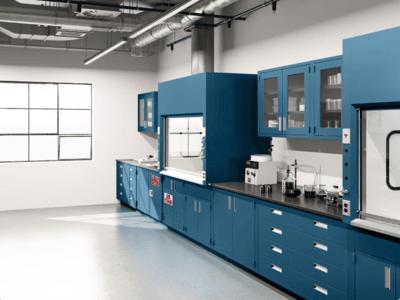
Laboratories are environments where research,
experimentation, and testing take place using a variety of chemicals,
biological materials, and complex equipment. To ensure the safety of laboratory
personnel and prevent accidents, proper precautions must be taken. One of the
most critical aspects of maintaining a safe lab is having the right safetyequipment in laboratory settings.
From personal protective equipment (PPE) to emergency response tools, the right safety measures can prevent injuries, contamination, and hazardous incidents. This guide will outline the most essential safety equipment in laboratory environments, their functions, and how to use them effectively.
Why Is Safety Equipment Important in Laboratories?
Laboratories often handle potentially dangerous
substances, which may include chemicals, biological agents, and flammable
materials. Without proper safety precautions, there is a high risk of exposure,
contamination, fire, or other hazardous incidents. Some key reasons why safety
equipment is crucial include:
·
Preventing
Chemical Exposure:
Many chemicals used in labs can cause burns, respiratory issues, or poisoning
if not handled correctly.
·
Reducing
Fire Hazards:
Certain materials are highly flammable and require fire-resistant storage and
extinguishing tools.
·
Protecting
Against Biological Hazards:
Labs working with bacteria, viruses, or other biological agents must prevent
contamination.
· Ensuring Emergency Preparedness: Accidents can happen despite precautions, making it essential to have first aid and emergency response tools readily available.
Essential Safety Equipment in a Laboratory
1. Personal Protective Equipment (PPE)
PPE is the first line of defense for lab personnel,
protecting them from exposure to hazardous materials. Common PPE includes:
·
Lab
Coats and Aprons:
Protects against chemical splashes, burns, and spills.
·
Gloves: Prevents direct contact with
harmful substances; different types exist for chemical, heat, or biological
hazards.
·
Safety
Goggles and Face Shields:
Shields eyes from chemical splashes, debris, and harmful fumes.
·
Respirators
and Masks:
Protects against inhalation of toxic fumes, dust, or infectious agents.
· Footwear: Closed-toe, non-slip shoes prevent injuries from spills and dropped objects.
2. Fume Hoods and Ventilation Systems
Proper ventilation is essential when working with
hazardous chemicals or biological materials.
·
Fume
Hoods:
Contain and ventilate harmful vapors, ensuring chemicals do not contaminate the
workspace.
·
Biosafety
Cabinets:
Designed to handle infectious biological materials while preventing
contamination.
· General Laboratory Ventilation: Ensures fresh air circulation and reduces the buildup of hazardous gases.
3. First Aid and Emergency Response Equipment
Accidents can happen in any laboratory, making first aid
and emergency response tools essential.
·
First
Aid Kits:
Contains bandages, antiseptics, burn treatments, and other medical supplies.
·
Emergency
Showers:
These are used for immediate decontamination in case of chemical exposure to
the skin.
·
Eyewash
Stations:
Helps flush out hazardous chemicals from the eyes.
· Chemical Spill Kits: Includes absorbents, neutralizers, and personal protective equipment for handling spills safely.
4. Chemical Storage and Handling Equipment
Proper storage of chemicals reduces the risk of spills,
leaks, and dangerous reactions.
·
Chemical
Storage Cabinets:
Fire-resistant and ventilated cabinets designed for flammable or corrosive
substances.
·
Gas
Cylinder Storage Racks:
Secure gas cylinders to prevent tipping and leaks.
·
Secondary
Containment Trays:
Used under chemical containers to catch leaks and spills.
· Labeling and Signage: Clearly marked labels indicate chemical hazards and handling instructions.
5. Electrical Safety Equipment
Many labs use high-powered electrical equipment,
increasing the risk of electric shocks and short circuits.
·
Ground
Fault Circuit Interrupters (GFCIs): Prevents electrical shock hazards.
·
Insulated
Gloves and Mats:
Protects individuals working with high-voltage equipment.
·
Surge
Protectors:
Prevents damage to sensitive lab equipment from power surges.
· Emergency Power Shutoff Switches: Instantly cut off power in case of electrical hazards.
6. Radiation and Biohazard Safety Equipment
For labs dealing with radioactive materials or
biological hazards, additional precautions are needed.
·
Radiation
Shielding and Monitoring Devices: Protects personnel from radiation exposure.
·
Autoclaves
and Sterilizers:
Used for decontaminating biological waste and sterilizing lab tools.
· Biohazard Disposal Containers: Clearly marked containers for safe disposal of biological waste.
How to Maintain Safety Equipment in a Laboratory
1. Regular Inspections
·
Check
fire extinguishers for expiration dates and proper pressure levels.
·
Inspect
fume hoods and biosafety cabinets for airflow efficiency.
· Test eyewash stations and emergency showers weekly to ensure they work properly.
2. Keeping Safety Equipment Easily Accessible
·
Ensure
that fire extinguishers, eyewash stations, and emergency exits are not blocked.
·
Label
and organize safety equipment for quick identification.
· Store PPE in designated areas where it can be accessed quickly.
3. Replacing and Updating Equipment
·
Replace
expired or damaged equipment immediately.
·
Upgrade
old safety tools to meet updated laboratory safety standards.
· Ensure all chemicals are stored in properly labeled, non-leaking containers.
Conclusion
Maintaining a safe working environment in any laboratory
requires the right precautions and proper equipment. From safety equipment
in laboratory settings like personal protective gear to fire safety tools
and emergency response stations, each component plays a vital role in
preventing accidents and protecting personnel. By prioritizing safety,
laboratories can create a secure and efficient workspace for all personnel.


Post Your Ad Here
Comments