What is a VPN & How Does It Improve Security?
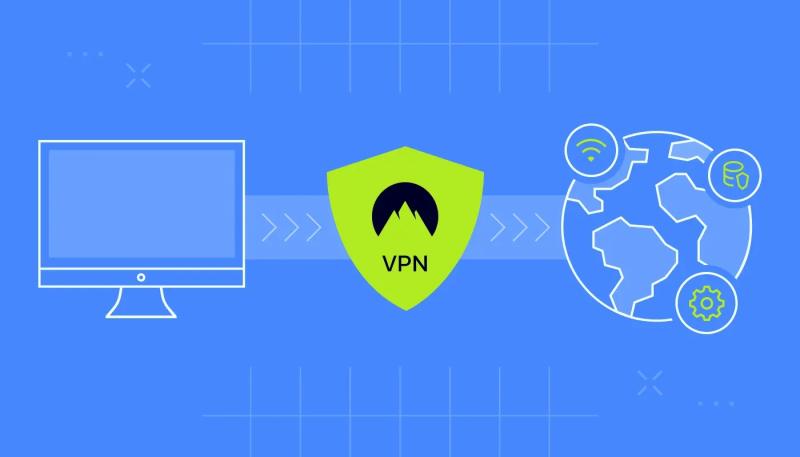
In today’s digital world, online security and privacy are more critical than ever. Every time you browse the internet, your data is vulnerable to hackers, advertisers, and even government surveillance. This is where a Virtual Private Network (VPN) comes into play. A VPN helps protect your online activities by encrypting your internet connection, keeping your sensitive information safe from prying eyes.
If you want to gain in-depth knowledge about online security, enrolling in a Cybersecurity Course in Ludhiana can help you understand how VPNs work and how they enhance cybersecurity.
1. What is a VPN?
1.1 Definition of a VPN
A Virtual Private Network (VPN) is a security tool that establishes a secure, encrypted connection between your device and the internet. Instead of connecting directly to a website, your internet traffic is routed through a remote server, masking your IP address and encrypting your data.
1.2 How a VPN Works
A VPN creates a tunnel between your device and the internet, ensuring that all the data passing through it remains encrypted and hidden from third parties.
Key VPN Functions:
Encryption: Converts your data into unreadable code to protect it from hackers.
IP Masking: Hides your real location by replacing your IP address with the VPN server’s IP.
Secure Browsing: Prevents cybercriminals from intercepting your online activity.
2. How a VPN Improves Security
2.1 Protects Against Cyber Threats
When you use public WiFi networks, such as in cafes, airports, or hotels, your data can be intercepted by hackers.
How a VPN Helps:
Encrypts your connection, making it impossible for hackers to steal your passwords or personal data.
Prevents man-in-the-middle (MITM) attacks where attackers try to intercept your communication.
2.2 Ensures Online Privacy
Internet service providers (ISPs), advertisers, and even governments track your online activities.
How a VPN Helps:
Prevents ISPs from logging and selling your browsing history.
Blocks websites from tracking your real location.
3. Additional Benefits of Using a VPN
3.1 Accessing Geo-Restricted Content
Many streaming services and websites restrict content based on location.
How a VPN Helps:
Allows you to access content by connecting to servers in different countries.
Bypasses government censorship in regions with internet restrictions.
3.2 Preventing Bandwidth Throttling
Some ISPs slow down your internet speed when you stream or download large files.
How a VPN Helps:
Encrypts your data so ISPs can’t monitor your activities.
Prevents deliberate slowdowns when using high-bandwidth applications.
4. Choosing the Right VPN
4.1 Key Features to Look for in a VPN
Not all VPNs offer the same level of security and performance.
Must-Have Features:
Strong Encryption: AES-256-bit encryption for maximum security.
No-Log Policy: Ensures that your online activities aren’t recorded.
Fast Servers: Reliable speed for streaming, gaming, and browsing.
4.2 Free vs. Paid VPNs
While free VPNs are tempting, they often come with security risks.
Free VPN Risks:
Data Logging: Some free VPNs sell user data to third parties.
Weak Encryption: Many lack proper security features.
For better protection, choose a reputable paid VPN or explore VPN configurations in a Cybersecurity Course in Ludhiana.
Conclusion
A VPN is a powerful tool that enhances your online security, protects your privacy, and gives you access to restricted content. Whether you’re using public WiFi or just want to browse privately, a VPN provides an extra layer of security.
Want to dive deeper into cybersecurity? Consider enrolling in a Cybersecurity Course in Ludhiana to gain hands-on experience and expertise.
Do you use a VPN? Share your experience and thoughts in the comments below!
Post Your Ad Here
Comments