A Deep Dive into The Art of Gutter Cleaning in Islington
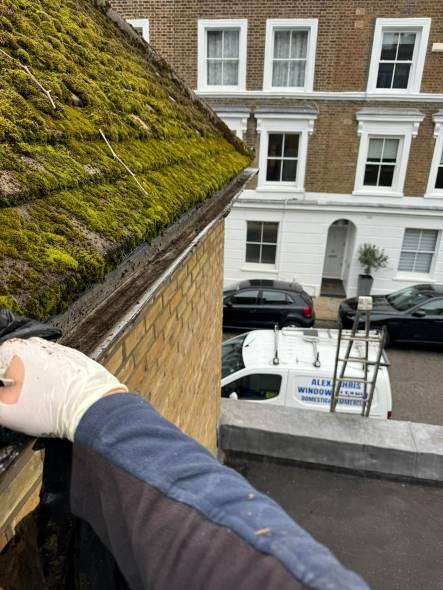
The task of cleaning gutters emerges as a process which people commonly disregard yet stands essential for safeguarding both the durability and working efficiency of home's drainage systems. This whole process consists of more than basic leaf removal since it includes various fundamental elements. Structural drains have a purpose to move rainwater safely away from buildings while they ensure foundation health and stop erosion of surrounding vegetation areas. Drains have a function to drain rainwater while their operation depends on regular washing because uncared for drainage systems lead to tree debris blockages which trigger water overflows and attract pests besides causing building damage. Understanding the importance of gutter cleaning in Islington with the proper tools and maintenance routines enables property owners to conduct this task with precision for constant optimal home condition.
The Hidden Complexity of Clogged Drains
A quick look would indicate that leaves and twigs along with dirt cause drain blockages yet the actual situation involves complications. The decomposition of natural debris creates a dense soil-like mass the supports growth of moss and algae as well as small plants. The drains sustain serious damage from natural decomposition since this process both blocks the system pathway and adds substantial weight to the pipes which strains all metal fittings. Multiple types of seeds carried by the wind will germinate within the moist drains filled with debris creating chance planters on rooftop surfaces. The drainage system receives more problems because wind and rain along with organic matter often delivers plastic wrappers and bird nests together with broken shingles into the system. Gutter cleaning in Islington requires immediate action because drainage harm can eventually deplete the structural integrity of the entire property.
The Evolution of Gutter Systems
Drains have evolved through centuries to become fundamental construction elements for protecting homes against water damage through their development. The Romans and Greeks in ancient times made the standard drainage systems with stone blocks alongside clay parts to move rainwater away from their buildings. During the medieval period, society made drain structures by carving into buildings either with stone or using lead materials to fulfil both practical and decorative needs. The industrial revolution brought cast iron to the forefront because it combined strength and inexpensive value. The contemporary house features seamless stainless-steel drains together with aluminium and vinyl options that combine weightlessness with rust-proofing and maximum efficiency. The requirement for consistent drain maintenance stays the same even today, despite all the technological progress that exists. Gutter cleaning in Islington depends completely on keeping it well-maintained regardless of its level of innovation. Neglected maintenance of can cause damage because of debris accumulation together with uncontrolled leaks and blocked downspouts thus rendering modern drains less effective which would eventually lead to expensive structural problems. Regular washing remains crucial due to historical evolution because any deterioration from maintenance neglect makes advanced water management systems into liabilities.
The Impact of Environmental Factors
The performance of drainage systems depends significantly on environmental conditions because intense weather demonstrates individual challenges in different ways. When faced with heavy rainfall in recurring storms, they need to have a strong enough construction that prevents overflow during high water flow. A heavy rainstorm easily reveals damaged drains that cause them to sag and leak and create water accumulation near the building foundation. Snow prevalent areas face a major problem due to dangerous ice accumulation along the drains. Snow melting produces ice dams within them that slow drainage until water penetrates the roof and seeps into both internal walls. Heavy winds originating from gusts carry dirt and leaves together with loose branches that clog the drains more quickly in windy conditions. The drainage system becomes less efficient as dry climates accumulate dust along with sand that forms sediment layers on the system. Gutter cleaning in Islington heavily depends on the proximity of trees to the house. Multiple objects such as falling leaves together with pollen and twigs consistently enter drains and result in operational blockages that obstruct the water drainage system. Each of these environmental factors, when not accounted for, contributes to premature wear and tear, reinforcing the need for routine inspections and timely washing.
How To Stay Safe While Cleaning
The practice of gutter cleaning in Islington often neglects safety measures which should be viewed as the most fundamental concern. One works at heights with significant danger to safety which requires maintenance of a solid ladder with secure footing. The effective support of ladder stabilizers with standoff arms stops the ladder from direct contact with drains and protects them from damage. The vital safety practices of using non-slip footwear and safety harnesses on high roofs together with having safety support present should remain routine in these activities. Moreover, the combination of protective gloves enhances hand safety in two ways: they protect against dangerous edges as well as shield workers from damaging bacteria found in decaying materials.
Wrapping up, performing proper gutter cleaning in Islington requires detailed work along with suitable equipment and planned action. Ignoring them is the last thing you are expected to do if you really care about your home maintenance. The understanding of proper washing techniques allows homeowners to maintain their drainage systems in top operational state.
Visit now:: https://alexchriswindowcleaning.co.uk/
Post Your Ad Here
Comments