A Deep Dive into the Types of Uterine Fibroids and Their Effects
Uterine
fibroids are non-cancerous growths that develop in or around the uterus,
affecting millions of women worldwide. These growths can vary in size,
location, and symptoms, and they are often a source of confusion and concern
for many. Understanding the different types
of fibroids and their potential effects on a woman's health is essential
for making informed decisions about treatment. In this article, we will take a
closer look at the various types of fibroids, their symptoms, and how they
impact women’s lives.
What Are Uterine Fibroids?
Before we
dive into the specifics, it’s important to define what uterine fibroids are.
These benign tumors can develop in the muscle of the uterus or its lining and
are commonly categorized based on their location. While many women with fibroids
experience little to no symptoms, others may face significant health
challenges, including heavy bleeding, pelvic pain, and infertility.
Understanding the different types of fibroids can help women better navigate
their treatment options.
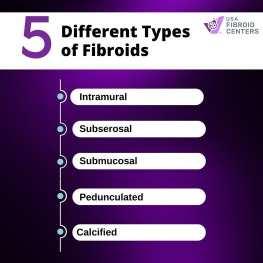
Types of Uterine Fibroids
Intramural
Fibroids
Location:
These fibroids grow within the muscular wall of the uterus.
Symptoms:
Intramural fibroids can lead to heavy menstrual bleeding, pain during
menstruation, and pelvic discomfort. They can also cause issues with fertility,
as their position within the uterine wall can affect implantation.
Treatment:
Treatment options for intramural fibroids vary depending on size and symptoms.
Uterine Fibroid Embolization (UFE) is often an effective non-surgical option to
shrink these fibroids.
Submucosal Fibroids
Location:
Submucosal fibroids develop just beneath the inner lining of the uterus and
protrude into the uterine cavity.
Symptoms:
These fibroids are particularly troublesome because they can interfere with
menstruation and cause heavy bleeding, frequent urination, and sometimes,
difficulty conceiving.
Treatment:
Submucosal fibroids may require more aggressive treatment, including surgical
removal, but UFE can also be an option for some women.
Subserosal Fibroids
Location:
These fibroids grow on the outer layer of the uterus, often extending outward
toward the abdominal cavity.
Symptoms:
While subserosal
fibroids tend to be less likely to affect menstrual cycles, they can cause
pelvic pain, bloating, and back pain due to their size and position.
Treatment:
Subserosal fibroids can usually be treated with UFE or surgical options if they
are causing significant discomfort.
Pedunculated Fibroids
Location:
These fibroids are a subtype of subserosal fibroids that are attached to the
uterine wall by a stalk-like structure, which can twist, leading to severe
pain.
Symptoms:
Pedunculated fibroids can cause acute pain, bloating, and discomfort. They may
also cause irregular bleeding if the stalk twists.
Treatment:
Surgical removal is often recommended, but non-surgical treatments like UFE may
also offer relief.
How Do Fibroids Affect Women's Health?
Fibroids can
have a wide range of effects on a woman’s health, both physical and emotional.
Some of the most common effects include:
Heavy
Menstrual Bleeding: Many women with fibroids
experience prolonged and heavy periods, which can lead to anemia and fatigue.
Pelvic
Pain and Pressure: Fibroids can cause discomfort,
bloating, and pelvic pressure, affecting a woman’s quality of life.
Infertility:
In some cases, fibroids may interfere with a woman’s ability to conceive.
Intramural and submucosal fibroids are particularly known for their impact on
fertility.
Urinary
and Bowel Issues: Large fibroids can press on
the bladder, leading to frequent urination, or on the bowels, causing
constipation.
Emotional
Well-being: The physical symptoms of fibroids, especially heavy bleeding and
pain, can take a toll on a woman’s emotional health, causing stress, anxiety,
and frustration.
Treatment Options for Uterine Fibroids
While
fibroids can be distressing, it's important to remember that treatment options
exist. Depending on the severity of the symptoms and the type of fibroid,
treatments may range from medication to surgery. Non-surgical options, like
Uterine Fibroid Embolization (UFE), are a highly effective and minimally
invasive treatment option for women who want to avoid the risks associated with
traditional surgery. UFE fibroids
treatment works by blocking the blood vessels that supply the fibroids, causing
them to shrink over time.
For women
with larger or more complicated fibroids, surgical procedures like myomectomy
or hysterectomy may be considered. It's crucial to consult with a healthcare
professional who can provide guidance based on the type and severity of
fibroids.
Conclusion: Empowering Women with Knowledge
Understanding
the types of uterine fibroids and their potential effects is the first step in
regaining control over your health. With a wide range of treatment options
available, including non-surgical solutions like Uterine Fibroid Embolization,
women no longer have to suffer in silence. If you’re experiencing symptoms of
fibroids, it’s essential to consult with a healthcare provider to explore the
best options for your unique situation.
Schedule Your
Free Consultation Today to learn more about how our advanced, non-surgical
treatments can help you take charge of your health. Click here to learn more
about our services and start your journey toward fibroid relief today.
Post Your Ad Here
Comments