Apartment Website Design: A Key Element in Attracting Renters
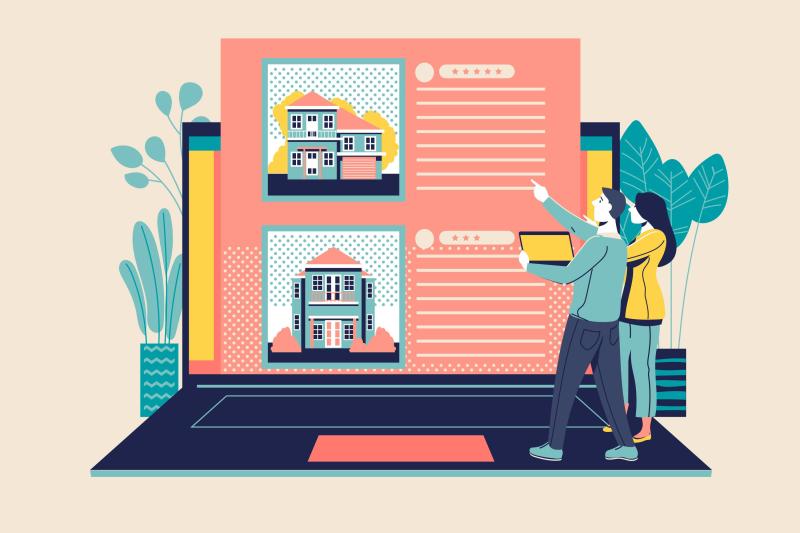
A website serves as the first impression for many people, making it a crucial part of the marketing strategy. For apartment owners, property managers, or real estate developers, an effective apartment website design not only showcases the property’s features but also streamlines the leasing process and enhances user experience. Here’s a breakdown of what makes a successful apartment website design and why it’s so important in today’s digital age.
1. User-Friendly Navigation
First and foremost, a great apartment website needs to be easy to navigate. Potential renters should be able to find the information they’re looking for quickly and without frustration. Clear, intuitive navigation is key to keeping visitors engaged. Features such as simple dropdown menus, well-organized sections, and a search bar can go a long way in improving the user experience.
The homepage should provide easy access to the most important information: available units, amenities, location, and contact details. Visitors should not have to dig through multiple pages to find what they need. If your website has multiple properties or a wide range of amenities, consider implementing filters or a search function to help visitors narrow down their options.
2. High-Quality Visuals
Apartment websites are primarily visual experiences, as they allow potential renters to “tour” the property remotely. High-quality photos, videos, and even 360-degree virtual tours are essential in capturing the essence of the apartments. People want to see the space they may soon call home, so it’s important that the visuals showcase the property in the best possible light.
The images should highlight the interior and exterior of the building, common areas, and any unique features that set the apartment complex apart. If available, consider adding video walkthroughs or virtual tours to provide a more immersive experience. This allows users to engage with the space as if they were physically there, increasing their chances of signing a lease.

3. Responsive Design
In today’s world, people access websites from various devices, such as smartphones, tablets, and laptops. With mobile devices now accounting for a large portion of website traffic, having a responsive apartment website design is no longer optional—it’s a necessity. A responsive design ensures that your website looks and functions optimally on all screen sizes.
This is particularly important for apartment websites because many prospective renters will browse on their smartphones while on the go. Whether they’re looking for information during their commute or scheduling a tour on the weekend, the experience must be smooth and user-friendly across all devices.
4. Clear Calls to Action (CTAs)
Once visitors arrive at your website, you need to guide them toward the next step in the rental process. Whether it's scheduling a tour, contacting the leasing office, or applying for an apartment, your website should include clear calls to action (CTAs). These are buttons or links that prompt users to take specific actions, such as “Schedule a Tour,” “Apply Now,” or “Contact Us.”
CTAs should be prominently placed throughout the website and be easy to locate. Using action-oriented language that creates urgency or emphasizes the benefits of taking the next step can help drive conversions. For example, a button that says “Reserve Your Spot Now” can encourage people to take action sooner.
5. Detailed Property Information
A successful apartment website provides all the necessary information a potential tenant might need. This includes apartment availability, pricing, floor plans, and amenities. The more details you can provide upfront, the less likely visitors are to leave your site to search elsewhere. This transparency helps build trust and can reduce the number of inquiries from people seeking basic information.
For each unit, list its size, layout, rent price, available move-in dates, and any included utilities or services. Additionally, highlighting the unique features of the property—such as on-site parking, a gym, or pet-friendly policies—can help attract more qualified leads.
6. SEO and Local Search Optimization
An apartment website needs to be easy to find online, which is where search engine optimization (SEO) comes into play. Incorporating local SEO strategies can improve your website’s visibility in search engine results, especially when potential renters are searching for apartments in a specific area.
Include keywords that people are likely to use when searching for apartments, such as “apartments for rent in [city name]” or “pet-friendly apartments near [landmark].” Optimizing your site with localized content ensures that your website appears in relevant search results, increasing the likelihood that prospective tenants will visit your site.
7. Fast Loading Speeds
In a world of instant gratification, loading speed is critical. Studies show that users are less likely to stay on a website that takes longer than a few seconds to load. Apartment websites are no exception—if the site is slow, visitors will quickly lose interest and move on to other options.
Optimizing your website’s performance through image compression, efficient coding, and caching techniques can significantly improve loading speeds. A fast-loading website provides a better user experience and can help prevent visitors from abandoning the site.
Conclusion
An apartment website is not just a digital brochure; it’s a powerful tool for attracting and converting potential renters. By focusing on user-friendly navigation, high-quality visuals, responsive design, and clear CTAs, you can create an engaging and effective online presence for your property. Additionally, providing detailed property information, optimizing for search engines, and ensuring fast load times can further enhance the website’s effectiveness. Ultimately, a well-designed apartment website will increase leads, improve the rental process, and help your property stand out in a crowded market.
Post Your Ad Here
Comments