The Impact of Instant Hot Peel Films on DTF Efficiency
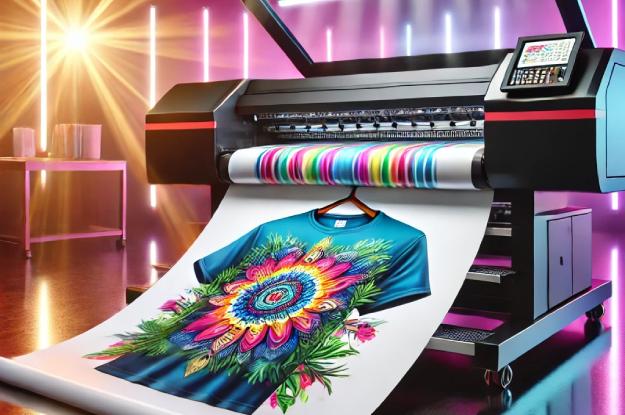
Direct-to-Film (DTF) printing has revolutionized the custom apparel and textile industry by providing high-quality, durable, and versatile prints across various materials. However, one of the challenges faced by print businesses has been the time-consuming and sometimes cumbersome peeling process required after the heat transfer stage. The introduction of instant hot peel films has significantly improved the efficiency of DTF printing, reducing production times and enhancing the overall workflow.
In this article, we will explore the impact of instant hot peel films on DTF efficiency, the benefits they offer to businesses, and how they compare to traditional cold peel and warm peel films.
Understanding DTF Printing and the Role of Peel Films
DTF printing involves several crucial steps:
Printing the Design: A high-resolution design is printed onto a special DTF transfer film using DTF printers equipped with textile inks.
Applying Adhesive Powder: A powdered adhesive is applied to the printed design to enable bonding with fabric.
Curing the Adhesive: The adhesive powder is heated to activate its bonding properties.
Heat Press Transfer: The printed film is placed onto the fabric and heat-pressed to transfer the design.
Peeling the Film: The transfer film is peeled away from the fabric to reveal the final design.
The peeling process plays a crucial role in determining the efficiency of DTF printing. Traditionally, cold peel and warm peel films have been used, but with instant hot peel films now available, the landscape is changing dramatically.
What Are Instant Hot Peel Films?
Instant hot peel films are a new generation of DTF transfer films designed to be peeled immediately after the heat press stage, without waiting for the print to cool down. Unlike cold peel films that require the transfer to cool completely before peeling (which can take several minutes), instant hot peel films allow users to remove the film right after lifting the heat press, streamlining the process and improving productivity.
Advantages of Instant Hot Peel Films in DTF Printing
1. Increased Production Speed
One of the most significant advantages of instant hot peel films is the reduction in turnaround time. Businesses that process large volumes of custom prints can now eliminate waiting times between each transfer, enabling faster order completion and higher output per day.
For example, a business that previously had to wait 2-3 minutes per print to cool before peeling can now complete each print within seconds, significantly increasing efficiency in high-demand production settings.
2. Enhanced Print Quality and Durability
Instant hot peel films are engineered to provide smooth, even transfers without compromising on the vibrancy or durability of the final print. Unlike cold peel films, which sometimes require additional pressure or risk uneven peeling, instant hot peel films ensure clean edges and minimal lifting issues.
Additionally, because the film is peeled immediately, there is a reduced risk of accidental smudging, cracking, or dust accumulation during the cooling phase.
3. Improved Workflow for Print Shops
The introduction of instant hot peel films simplifies the entire DTF workflow, making it easier for businesses to handle larger orders efficiently. Workers no longer need to dedicate extra space for cooling prints or worry about timing the peeling process precisely. Instead, they can transition directly from the heat press to the peeling stage, allowing for a more streamlined production line.
4. Reduced Labor Costs and Fatigue
In high-production environments, manual labor costs can add up quickly, especially when dealing with time-intensive tasks like peeling. With instant hot peel films, employees spend less time waiting for prints to cool and more time focusing on other tasks, reducing bottlenecks in production. This efficiency also decreases fatigue associated with prolonged manual peeling, making for a more ergonomic and worker-friendly environment.
5. Compatibility with Various Fabrics
Another critical advantage of instant hot peel films is their versatility across different fabric types, including cotton, polyester, blends, and synthetic materials. This flexibility allows businesses to expand their product offerings, catering to a broader customer base without the need for multiple types of transfer films.
Comparison: Instant Hot Peel vs. Cold Peel vs. Warm Peel
| Feature | Instant Hot Peel | Cold Peel | Warm Peel |
|---|---|---|---|
| Peeling Time | Immediately after pressing | After complete cooling (2-3 minutes) | After slight cooling (30-60 seconds) |
| Production Speed | Very fast | Slow | Moderate |
| Ease of Use | High | Requires patience | Moderate |
| Print Durability | Excellent | Excellent | Good |
| Fabric Compatibility | Versatile | Versatile | Limited |
| Risk of Peeling Issues | Low | High (if peeled too soon) | Moderate |
From this comparison, it is evident that instant hot peel films provide the fastest and most efficient option for businesses that require high-volume production and minimal downtime.
Implementing Instant Hot Peel Films in Your DTF Workflow
If you are considering upgrading to instant hot peel films, here are some practical steps to ensure a smooth transition:
Choose a High-Quality Film Supplier
Brands like DTGpro.com offer premium instant hot peel films designed for maximum efficiency and reliability.
Optimize Your Heat Press Settings
Instant hot peel films work best at specific temperature and pressure settings. Always refer to manufacturer guidelines, but most films require:
Temperature: 290-320°F (140-160°C)
Time: 10-15 seconds
Medium to high pressure
Train Your Staff
Educate your team on the differences between hot, warm, and cold peel films to prevent misapplications.
Test on Different Fabrics
Perform test prints on various materials to determine the best settings for your product range.
Monitor and Adjust for Best Results
Fine-tune your workflow based on the specific needs of your business, whether it's bulk production or custom small-batch orders.
The Future of DTF Printing with Instant Hot Peel Films
With the rapid advancement of DTF technology, instant hot peel films are paving the way for faster, more efficient, and high-quality custom printing. As businesses continue to demand quicker turnaround times and improved print durability, the adoption of instant hot peel films is set to become the industry standard.
In the coming years, we can expect further innovations, including powderless DTF printing and automated peeling systems, which will enhance efficiency even further. As these advancements unfold, businesses that stay ahead of the curve by adopting cutting-edge solutions like instant hot peel films will gain a significant competitive advantage in the custom printing market.
Conclusion
The introduction of instant hot peel films in DTF printing has transformed the industry by significantly improving efficiency, reducing labor costs, and enhancing print quality. Businesses that embrace this new technology can expect faster production times, improved workflow, and higher customer satisfaction.
Post Your Ad Here
Comments